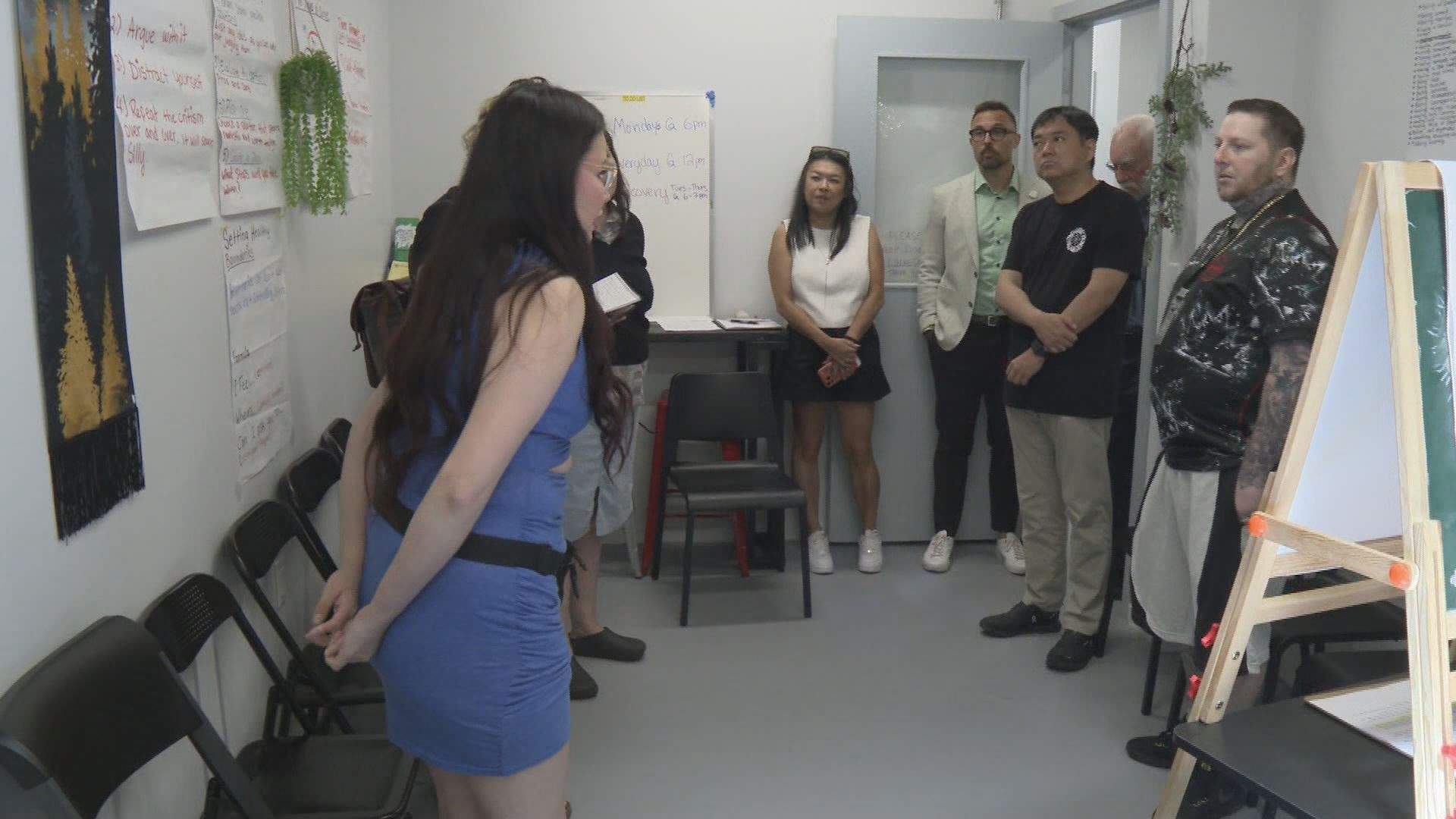
Low-barrier harm reduction services and high-barrier abstinence programs operate on opposing operational models, creating a systemic disconnect in addiction treatment. When an individual in active addiction experiences a brief window of willingness to enter treatment, they face immediate structural friction. In Vancouver’s Downtown Eastside (DTES), the transition from active substance use to recovery stabilization is blocked by prolonged wait times for detox facilities, rigid intake rules, and a lack of intermediary spaces.
The launch of the Ashtrey Recovery Resource Centre at 450 East Hastings Street—operated by the Overdose Prevention Society (OPS)—functions as a specialized operational bridge designed to solve this specific structural problem. By introducing a decentralized, community-run day centre with a capacity for 60 individuals, the model tests a distinct hypothesis: localized, peer-led navigation can capture and convert transient motivation into formal recovery pipeline entries before a relapse occurs.
The Dual-Engine Operational Framework
The facility operates on a dual-engine framework that combines low-barrier stabilization with structured recovery pathways. Standard abstinence models require immediate detoxification as a condition of entry, which deters individuals who are street-entrenched. Conversely, standard harm reduction sites focus primarily on acute survival, often lacking the administrative pathways to move clients into treatment. The Ashtrey model integrates these two approaches into a single facility, balancing two distinct systems:
1. The Stabilization Engine
The stabilization engine lowers the barrier to entry by addressing basic physiological needs. This component does not require immediate sobriety, acknowledging that stability must precede long-term clinical behavioral change.
- Hygiene Infrastructure: On-site laundry facilities, showers, and washrooms reduce the physiological stress of homelessness and street entanglement.
- Nutritional Support: Provision of healthy food stabilizes metabolic drops associated with chronic stimulant and opioid use.
- Housing Navigation: Immediate intake processing to connect transient individuals with regional supportive housing rosters.
2. The Conversion Engine
The conversion engine activates once an individual achieves basic physiological stabilization. This layer uses peer networks to lower psychological barriers to formal medical treatment.
- On-Demand Meeting Infrastructure: Dedicated space for Narcotics Anonymous (NA), Alcoholics Anonymous (AA), and SMART Recovery programs, integrating peer support into the daily drop-in environment.
- Peer Navigators: Staff members with lived experience who act as case managers, guiding clients through the bureaucratic requirements of the regional health authority's treatment matrix.
+-------------------------------------------------------------+
|                     THE ASHTREY MODEL                       |
+-------------------------------------------------------------+
| 1. STABILIZATION ENGINE      --->    2. CONVERSION ENGINE   |
| (Hygiene, Nutrition, Housing)        (Peer Navigators, Mutual|
|                                       Aid Support Meetings) |
+-------------------------------------------------------------+
                               |
                               v
               [Formal Clinical Treatment Pipeline]
The Peer-Driven Recovery Navigator Function
The core operational mechanism of the center relies on the concept of the recovery navigator. In traditional healthcare systems, clinical case managers oversee patients from an institutional distance. This dynamic often creates communication breakdowns with street-entrenched populations due to a lack of shared experience and institutional distrust.
The recovery navigator model replaces institutional distance with peer proximity. Because the navigators have navigated the same regional treatment systems and experienced addiction themselves, they can perform informal clinical assessments during routine interactions.
This proximity changes how motivational windows are handled. When an individual expresses a desire to stop using substances, the recovery navigator can bypass traditional administrative delays. They provide immediate peer accountability, accompany the individual to mutual aid meetings, and manage communication with regional detox coordinators. This continuous support helps maintain the individual's commitment during the critical period between their initial decision to seek help and their actual placement in a treatment bed.
Network Bottlenecks and Structural Limitations
While the peer-led day center model reduces friction at the point of intake, its ultimate success depends heavily on external infrastructure. A drop-in center can streamline the initial preparation for treatment, but it cannot fix shortages in subsequent stages of the care continuum. The model faces three major external bottlenecks:
1. The Detoxification Bed Deficit
The standard medical protocol for opioid and severe stimulant use disorders requires supervised detoxification before entering long-term residential treatment. In the local health authority network, wait times for funded detox beds can range from several days to multiple weeks. This delay creates a serious operational challenge. If an individual must wait seven days for a detox bed after stabilizing at a day center, the risk of relapse remains high.
2. The Post-Treatment Housing Gap
Stabilization during residential treatment is often compromised by the environment an individual returns to afterward. If a client completes a 30- to 90-day treatment program and returns directly to shelter environments or street-entrenched areas in the DTES, the probability of return-to-use increases significantly due to environmental triggers. Without dedicated supportive housing tailored for post-abstinence recovery, the long-term effectiveness of early-stage intervention drops.
3. Variations in Peer Case Management
Peer-led models excel at building trust, but they lack the standardized clinical protocols found in traditional healthcare systems. Relying heavily on the unique personal dedication of specific individuals introduces operational vulnerability. When a key coordinator leaves or passes away, institutional memory can be lost, and client relationships can fracture. To maintain long-term stability, community organizations must convert informal peer workflows into reproducible training systems without losing the organic trust that makes the model effective.
Quantifying Success Beyond Acute Survival Metrics
Traditional harm reduction metrics focus primarily on acute survival indicators, such as overdose reversals, naloxone distribution volume, and infectious disease transmission rates. While these metrics are essential for evaluating immediate public health interventions, they do not accurately capture the performance of a recovery-focused transition center.
Evaluating the effectiveness of the Ashtrey model requires a shift toward pipeline velocity and stabilization metrics. Key indicators include:
- The Conversion Rate: The percentage of unique drop-in clients who transition from using basic hygiene services to participating in on-site mutual aid meetings or recovery programs.
- Pipeline Velocity: The average number of days between a client’s initial intake assessment with a peer navigator and their formal admission into a regional detox or residential treatment facility.
- Retention and Relapse Metrics: The rate of sustained engagement with peer navigators following temporary return-to-use episodes, measuring a client's resilience within the local system of care.
Strategic Priority
To maximize the impact of peer-led resource centers, regional health authorities and non-profit operators must prioritize direct administrative integration between frontline day centers and provincial triage networks. Peer navigators should have direct communication channels with regional detox intake coordinators, allowing them to book open beds in real time when an individual is ready for treatment.
Without this direct operational connection, drop-in centers risk becoming static holding spaces that manage the symptoms of a fragmented system rather than functional pathways into long-term recovery. Frontline trust must be backed by immediate clinical capacity to reliably move individuals from crisis to stability.