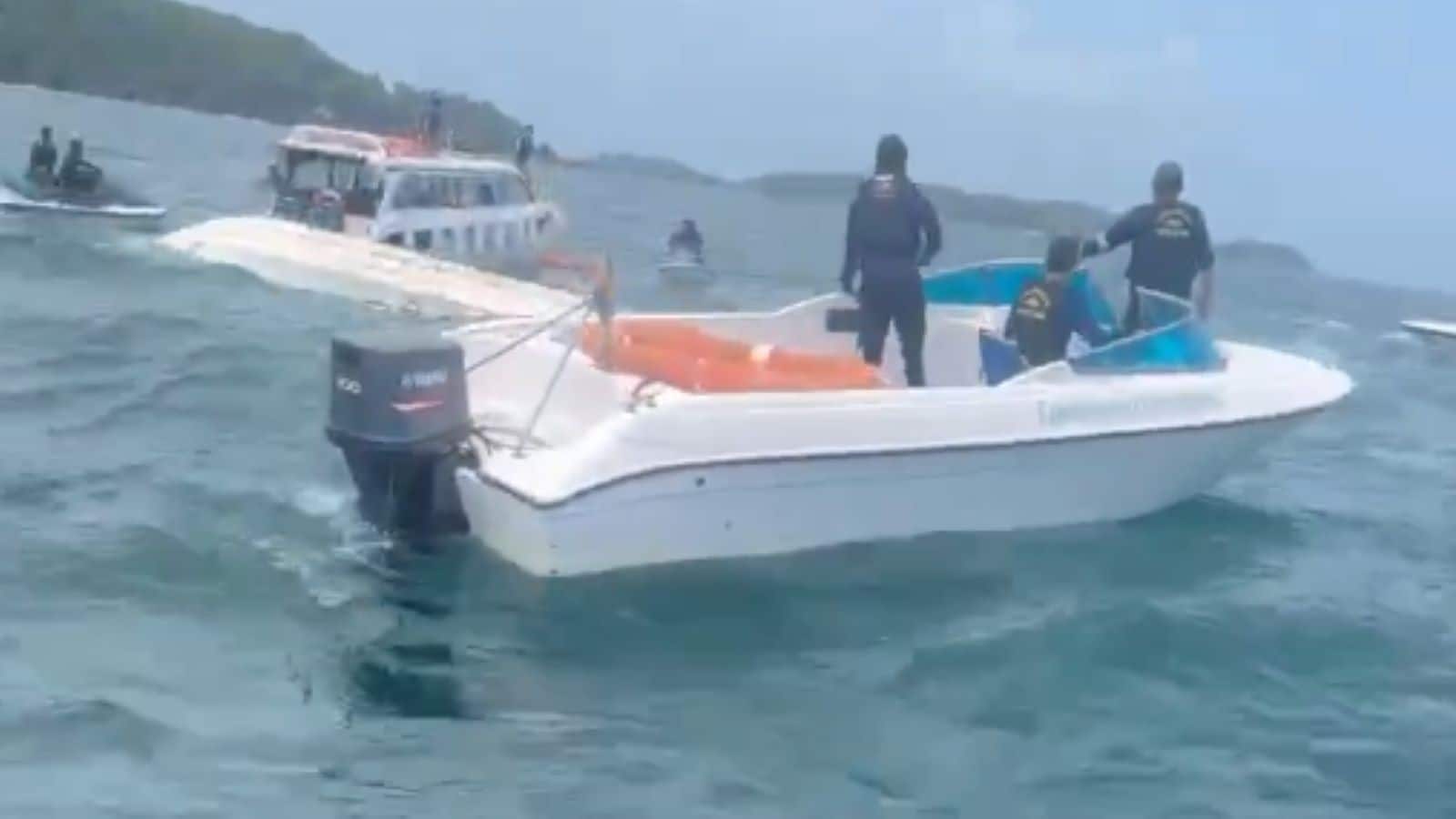
The detention of a local speedboat operator following a catastrophic maritime accident in Vietnam that claimed the lives of 15 Indian tourists highlights a recurring crisis in rapidly expanding holiday destinations. When mass tourism outpaces local regulatory enforcement, tragedy becomes predictable. Initial reports focus heavily on operator error and immediate mechanical issues, yet the roots of these fatal incidents run far deeper into systemic oversight failures and compromised safety standards.
An unchecked surge in high-speed maritime transit has left local enforcement agencies struggling to keep pace. The tragedy highlights the urgent need to address systemic vulnerabilities before another vessel capsizes under entirely preventable circumstances.
The Illusion of Maritime Oversight
Local authorities frequently point to existing frameworks as evidence of a well-regulated industry. They point to thick rulebooks and periodic vessel inspections to reassure international tour agencies. But a gap persists between the written code and daily enforcement on the water.
Interviews with regional maritime experts reveal that inspections are often superficial, focusing on paperwork rather than the actual operational integrity of the vessels. Speedboats designed for calm coastal waters are routinely pushed into choppy, open-sea routes to satisfy tight tourist itineraries. When passenger demand peaks during the high season, the temptation to overload vessels becomes overwhelming for small-scale operators operating on razor-thin profit margins.
The lack of real-time monitoring infrastructure exacerbates the problem. Once a vessel leaves the pier, compliance becomes voluntary. Automated tracking systems and mandatory weight checks at transit points are rarely utilized effectively, creating a culture where corner-cutting is normalized until an emergency occurs.
The Economics of High Speed Tourism
Budget tourism drives local economies but introduces severe operational pressures. International tour operators squeeze local subcontractors to keep package prices competitive for mass markets. This creates a dangerous incentive structure for boat captains.
To maintain profitability, operators must maximize the number of daily trips. Speed becomes the primary metric of success. Faster trips mean more rotations, higher passenger turnover, and better daily revenue. This relentless operational pace leaves virtually no time for routine maintenance checks between journeys.
- Crew fatigue increases exponentially during peak holiday seasons.
- Vessels undergo fewer hull and engine inspections.
- Safety briefings for non-native speakers are shortened or skipped entirely to maintain departure schedules.
When survival depends on volume, safety equipment transforms from a vital necessity into a logistical burden. Life jackets are frequently stored in inaccessible compartments to maximize seating capacity, or they are maintained so poorly that their buoyancy is severely compromised.
Broken Chains of Accountability
Holding an individual operator criminally negligent is a standard legal reaction following a disaster. It satisfies the immediate public demand for justice and provides a convenient scapegoat for local administrations. However, focusing solely on the person at the wheel ignores the broader network of accountability.
The supply chain of modern international tourism involves multiple layers of liability shielding. Foreign travel agencies book clients through regional wholesalers, who then subcontract transport to local boat owners. When a fatal accident occurs, foreign companies quickly distance themselves by citing independent contractor clauses in their agreements.
This fragmented structure leaves victims and their families with little recourse. Local operators rarely possess the insurance coverage required to compensate international families adequately, and the systemic flaws that allowed the unseaworthy vessel to operate remain completely untouched. True reform requires holding every entity in the booking chain responsible for auditing the safety standards of the vendors they promote.
Necessary Protocols for Passenger Survival
Fixing a broken maritime safety environment requires moving past temporary crackdowns and implementing unyielding structural changes. True safety cannot rely on the goodwill of underpaid operators. It must be enforced through independent, technology-driven mechanisms that remove human bias from the equation.
First, digital passenger manifesting and weight verification must be synchronized with port clearance systems. A vessel should be physically unable to clear port authority gates if its load exceeds maximum safety thresholds. This data must be logged on transparent, unalterable digital ledgers accessible to international safety auditors.
Second, maritime law enforcement must transition to proactive offshore patrolling rather than relying purely on pier-side checks. Random mid-journey boardings by independent coast guard units would quickly dismantle the culture of overloading that currently thrives once boats travel out of sight of land-based inspectors.
Finally, international travel associations must establish a unified safety rating system for regional transport providers. If a transit operator fails to meet basic international maritime standards, they must be barred from major booking platforms immediately. Removing the financial incentive to cut corners is the only definitive way to protect travelers and prevent preventable tragedies from destroying more lives on the water.


