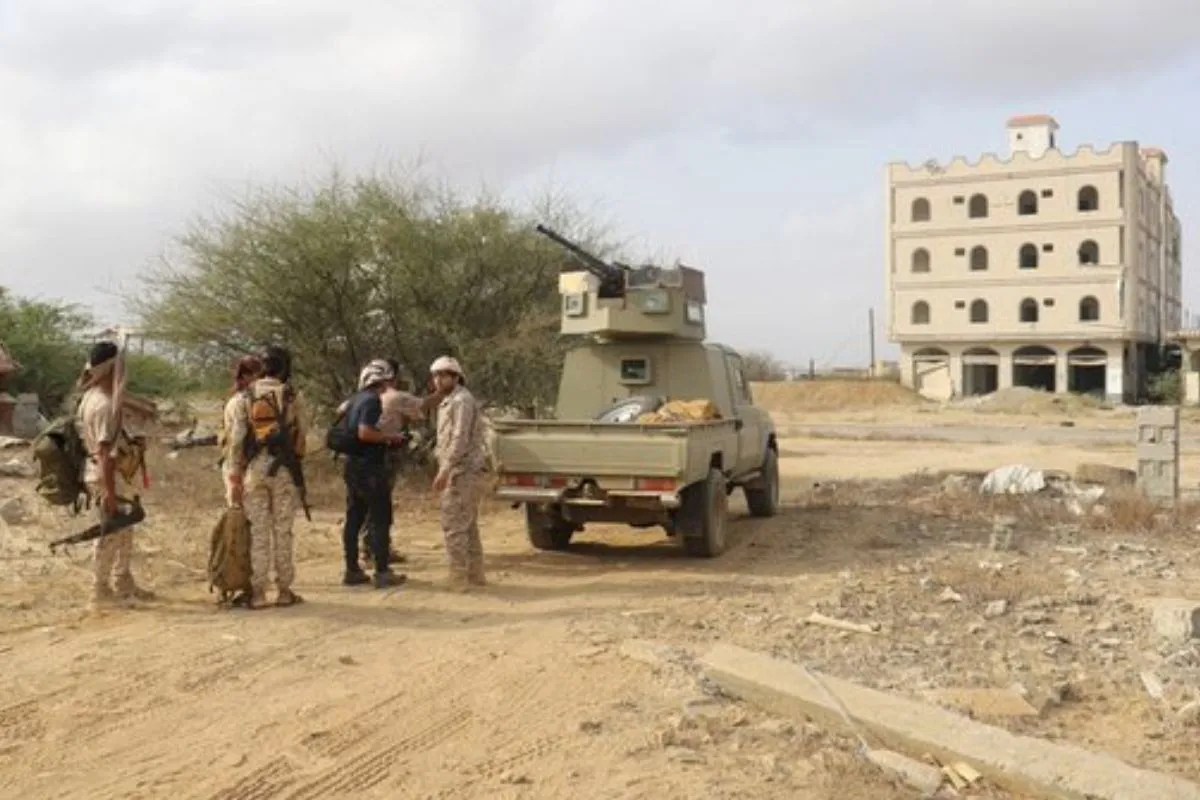
Geopolitical escalation follows predictable kinetic logic when state infrastructure absorbs sustained structural damage. The recent military operation executed by Yemeni forces following the reported loss of eighteen personnel in targeted attacks illustrates a classic retributive escalation spiral. Strategic analysis requires moving beyond surface-level reporting of troop casualties and retaliatory bombings to deconstruct the underlying operational mechanics, supply chain dependencies, and deterrence calculations governing the theater.
The Tripartite Framework of Kinetic Retaliation
When asymmetric actors or rival factions inflict heavy casualties on conventional military units, the responding command structure faces an immediate operational dilemma. Doctrine dictates three distinct phases of counter-action, each serving a specific tactical and signaling purpose.
- Attribution and Target Identification: The primary bottleneck in any high-tempo military response involves verifying the exact logistical nodes used by opposing forces. In fragmented territorial environments like Yemen, Houthi positions often overlap with civilian infrastructure, complicating precision targeting protocols.
- Massed Ordnance Deployment: Once coordinates are verified, command elements authorize concentrated airstrikes or artillery barrages designed to degrade immediate combat effectiveness. The objective is structural neutralization rather than tactical skirmishing.
- Deterrence Calibration: The final phase measures whether the magnitude of the response alters adversary calculus or merely invites a counter-escalation cycle.
The recent operation targeting Houthi strongholds demonstrates a heavy reliance on the second phase. By raining ordnance on entrenched positions, the deploying force attempts to re-establish a deterrent threshold. However, historical data across regional conflicts indicates that localized airstrikes rarely dismantle decentralized insurgent supply networks permanently.
Cost-Benefit Economics of High-Tempo Operations
Sustaining intense military campaigns against dispersed, entrenched combatants introduces severe operational friction. Resource allocation in this theater depends on three critical economic variables: munition expenditures, asset availability, and logistical vulnerability.
Conventional air campaigns consume high-value precision-guided munitions at a rate that often outpaces domestic replenishment capabilities. When applied against asymmetric targets, the cost ratio heavily favors the defender, who can absorb infrastructure damage at a lower relative economic cost than the attacking state force.
Furthermore, the operational footprint required to sustain continuous bombing campaigns exposes supporting ground infrastructure and command nodes to counter-interdiction. The tactical gain of neutralizing a cluster of Houthi positions must be weighed against the strategic drain on fixed asset reserves.
Information Warfare and Signaling Dynamics
Military operations of this scale function simultaneously as tactical maneuvers and communications strategies. The public announcement of retaliatory strikes serves distinct internal and external audiences.
Internally, high-casualty events demand a visible, kinetic response to maintain institutional morale and public confidence in the armed forces. Externally, signaling resolve to regional adversaries prevents perceived vulnerabilities from compounding into broader territorial losses. Yet, this signaling mechanism carries inherent risks. Excessive transparency regarding operational intent allows agile adversaries to relocate mobile assets, diminishing the efficacy of subsequent strikes.
Strategic Outlook for Regional Stability
The recurring cycle of provocation and heavy kinetic response locks the theater into a protracted war of attrition. Without a shift toward intelligence-led interdiction of external supply vectors and financial networks, iterative bombing campaigns will yield diminishing tactical returns.
Operational commanders must transition from reactive retaliation to proactive disruption frameworks if they intend to break the current strategic stalemate. The immediate tactical objective has been met through the display of force, but the structural vulnerability that permitted the initial loss of eighteen personnel remains unaddressed. Long-term security requires securing supply lines, hardening forward operating bases, and systematically cutting off the logistical lifelines supporting insurgent combat readiness.


