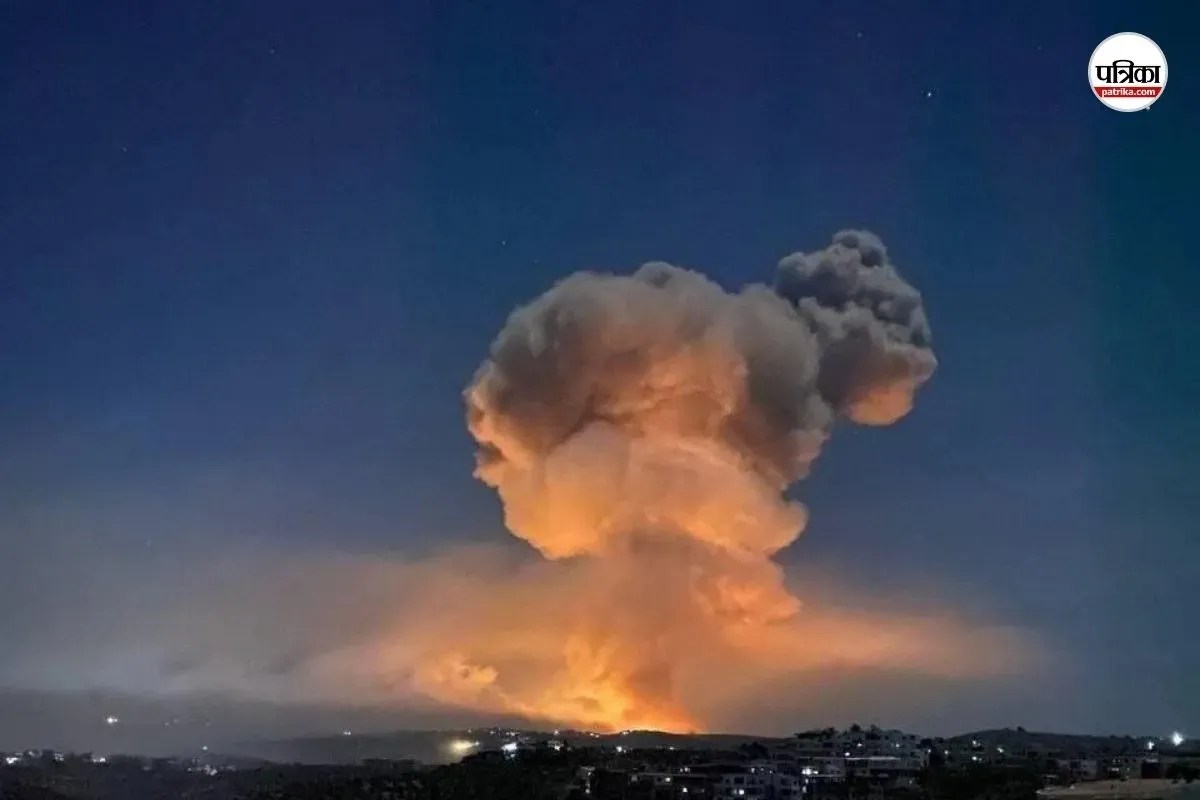
The pre-dawn explosions over northwestern Syria weren't just another routine security incident. When multiple airstrikes slammed into the Abu al-Duhur military airport in the Idlib province, they signaled a sharp escalation in a region that's barely had time to catch its breath since the fall of Bashar al-Assad.
If you've been wondering why a long-abandoned airfield suddenly became the center of international friction, you need to look past the smoke. This wasn't random violence. It's a clear chess move in a tense game involving Damascus, Ankara, and regional powers.
What Actually Happened at Abu al-Duhur
The raids hit hard around three in the morning. Syrian state media and local monitors confirmed that the strikes targeted the facility's runway and storage infrastructure. Flares lit up the night sky while warplanes pounded the asphalt to ensure the strip couldn't be easily used.
Miraculously, initial reports from military sources and local residents confirmed zero casualties. But the lack of human loss doesn't mean the impact is small. Syria's Foreign Ministry immediately blasted the operation as a flagrant violation of national sovereignty, demanding that the United Nations Security Council step in.
Yet, the physical damage to the runway is only part of the story. The real message was geopolitical.
Why This Specific Airbase Matters
Abu al-Duhur isn't a random piece of land. Located roughly seventy kilometers from the Turkish border, the base has a brutal history. It spent years out of service after changing hands multiple times during the height of the civil war.
Ever since the collapse of the old regime, the new authorities in Damascus have tried to repurpose the facility as a training hub for a reconstructed national army. More importantly, just days before the explosions, a high-level Turkish military delegation inspected the site.
Ankara has been heavily involved in rehabilitating infrastructure and backing the transitional government. When foreign warplanes target a base immediately after a Turkish inspection, you don't need a degree in military strategy to connect the dots. The operation was designed to send a chilling warning to Turkey about expanding its footprint in northern Syria.
The Regional Fallout and Washington's Reaction
The attack has already triggered a diplomatic scramble. The United States, through special envoy statements, publicly called the strikes an "unnecessary escalation" that hurts regional stability. Washington wants a smooth transition in Damascus and fears these sudden flare-ups will derail months of fragile diplomatic backchannels.
At the same time, intelligence briefings indicate that advance notice was given to international partners, exposing the deep fractures in how Western and regional powers handle the post-Assad era. Israel remains deeply suspicious of any military buildup near its borders, regardless of who's currently running the Syrian capital.
The new administration in Damascus insists it wants de-escalation, but incidents like this prove that keeping foreign powers from turning Syrian soil into a proxy battleground is an uphill climb. The runway at Abu al-Duhur might be cracked and silent today, but the political shockwaves are only beginning to spread. Watch how Ankara responds to this provocation over the coming days, because the answers will dictate the next phase of the Syrian transition.