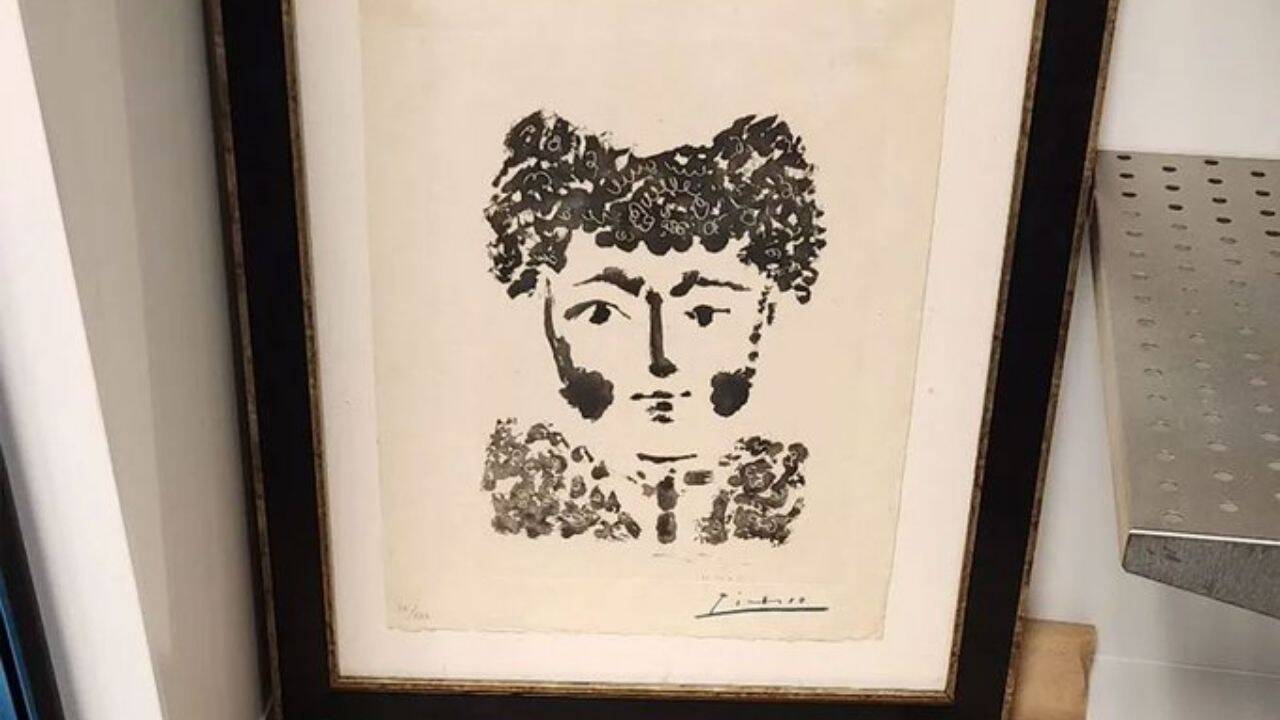
Imagine cleaning up an eviction mess, tossing old trash, and accidentally stumbling across a multi-thousand-dollar masterpiece hanging right behind a back bedroom door. That is exactly what happened to Timothy Dertz, a Milwaukee landlord who found an authentic Pablo Picasso print gathering dust in a vacant rental unit.
The artwork wasn't just a clever replica or thrift-store find. It was "Torero," a rare 1949 etching of a bullfighter signed by Picasso himself in green crayon, which had vanished from a local gallery eight long years ago. Valued between $35,000 and $50,000, the print had a heavy history attached to it. How it ended up hanging unbothered in a Bay View apartment remains a wild twist of urban archaeology.
When Routine Property Management Turns Into Art Recovery
Clearing out a neglected apartment usually brings unpleasant surprises, like broken furniture or unpaid utility bills. For Dertz, the shock came in the form of a framed print tucked away in an awkward spot. A thick layer of dust blanketed the top of the frame, hinting that it had stayed put through multiple tenant cycles.
Dertz showed the peculiar artwork to an antique dealer friend to see if it had any resale value. That is when they noticed the distinct signature and the old gallery sticker from DeLind Fine Art Appraisals still plastered on the back. A quick internet search blew the lid off the mystery. This was the exact piece stolen in broad daylight back in February 2018 from gallery owners Bill DeLind and his late business partner, Michael Goforth.
The Heist That Haunted a Gallery for Years
Back when the theft originally went down, it shocked Milwaukee's tight-knit arts community. Someone walked right into DeLind's gallery in the middle of the day, unhooked the Picasso from the wall, and walked out without triggering alarms or catching anyone's attention.
The gallery was small and lacked working security cameras at the time. Goforth noticed the empty space hours later, setting off a years-long crusade to get the piece back. The owners offered escalating cash rewards, peaking at $10,000, and routinely called police on every anniversary of the theft to keep the investigation alive. Sadly, Goforth passed away earlier this year without ever knowing the fate of his obsession. DeLind noted that his late partner would have been completely overjoyed by the recovery.
Doing the Right Thing When Panic Sets In
Realizing you possess stolen high-end art is enough to ruin anyone's sleep. Dertz spent a frantic night pacing and stressing out over his accidental connection to a major art crime once he realized what was hanging on his wall.
Instead of hiding the piece or trying to cash in on the black market, Dertz did what any honest citizen should do. He marched down to the Milwaukee Police Department on August 5 and handed the etching over to authorities. The police verified the print's authenticity with DeLind, who described seeing the artwork again as a jaw-dropping miracle.
What Happens to a Found Masterpiece
Legal and ownership complications often follow high-profile art recoveries. Because an insurance payout covered the original loss years ago, the insurance company technically holds legal ownership of the recovered print. Meanwhile, local police have kept the piece in custody while sorting out the details, noting that the standard six-year statute of limitations for property crimes in Wisconsin has technically passed.
DeLind hopes to display "Torero" in his gallery one last time so local art lovers can witness its triumphant return. For landlords and property owners clearing out forgotten spaces, the story serves as a wild reminder to look twice at the weird decor left behind. Sometimes, old tenants leave behind trash. Every once in a great while, they leave behind a Picasso.



.jpg?width=1200&auto=webp&trim=0%2C100%2C0%2C100)