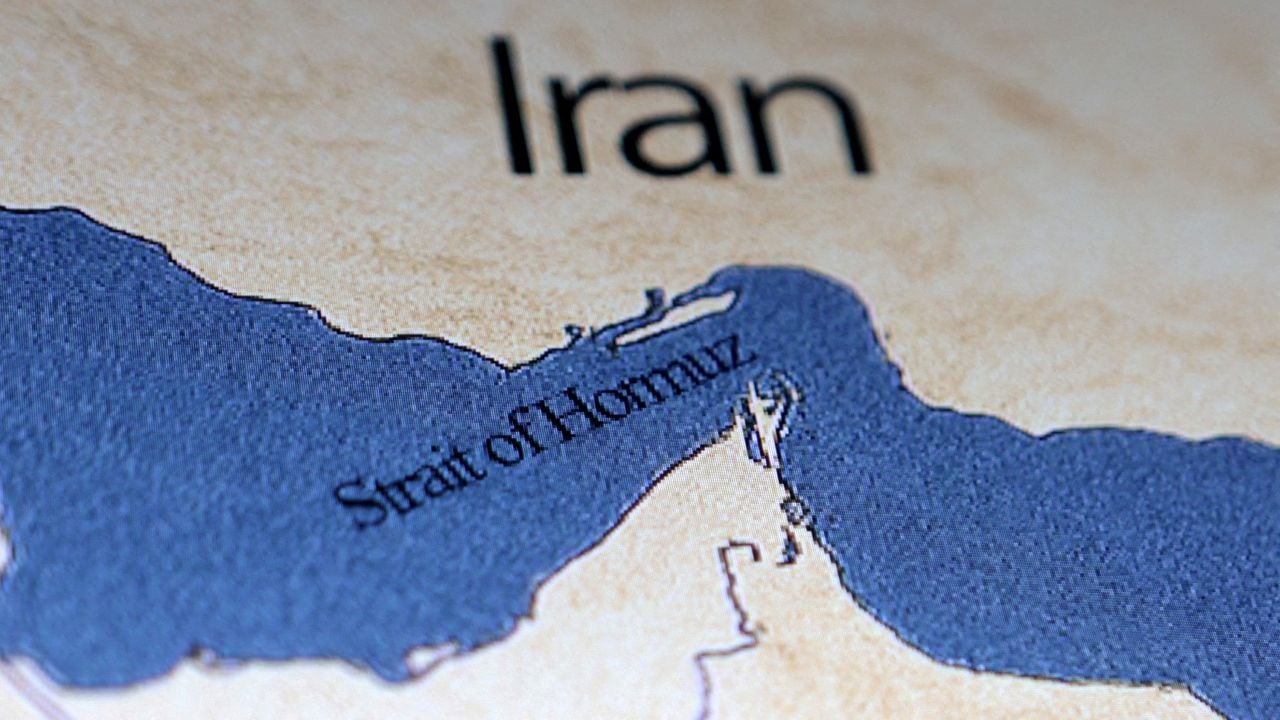
The Strait of Hormuz is currently a graveyard for diplomatic optimism. If you've been watching the news, you've seen the headlines about "progress" in Islamabad followed immediately by reports of Iranian Revolutionary Guard Corps (IRGC) boats firing on tankers. It’s a mess. The reality is that we're stuck in a loop of mixed signals from Washington and defiant escalations from Tehran that have effectively choked 20% of the world’s oil supply.
You want to know if the shipping lanes are actually opening. The short answer? No. Despite the talk of ceasefires, the "open for open" deal is dead in the water. Iran just officially closed the Strait again on April 18, 2026, because the US refused to lift its own naval blockade of Iranian ports. We're not just looking at a regional skirmish anymore; we're witnessing a full-scale war of economic attrition that's sent US gas prices up nearly 50% since December.
The Blockade of the Blockaders
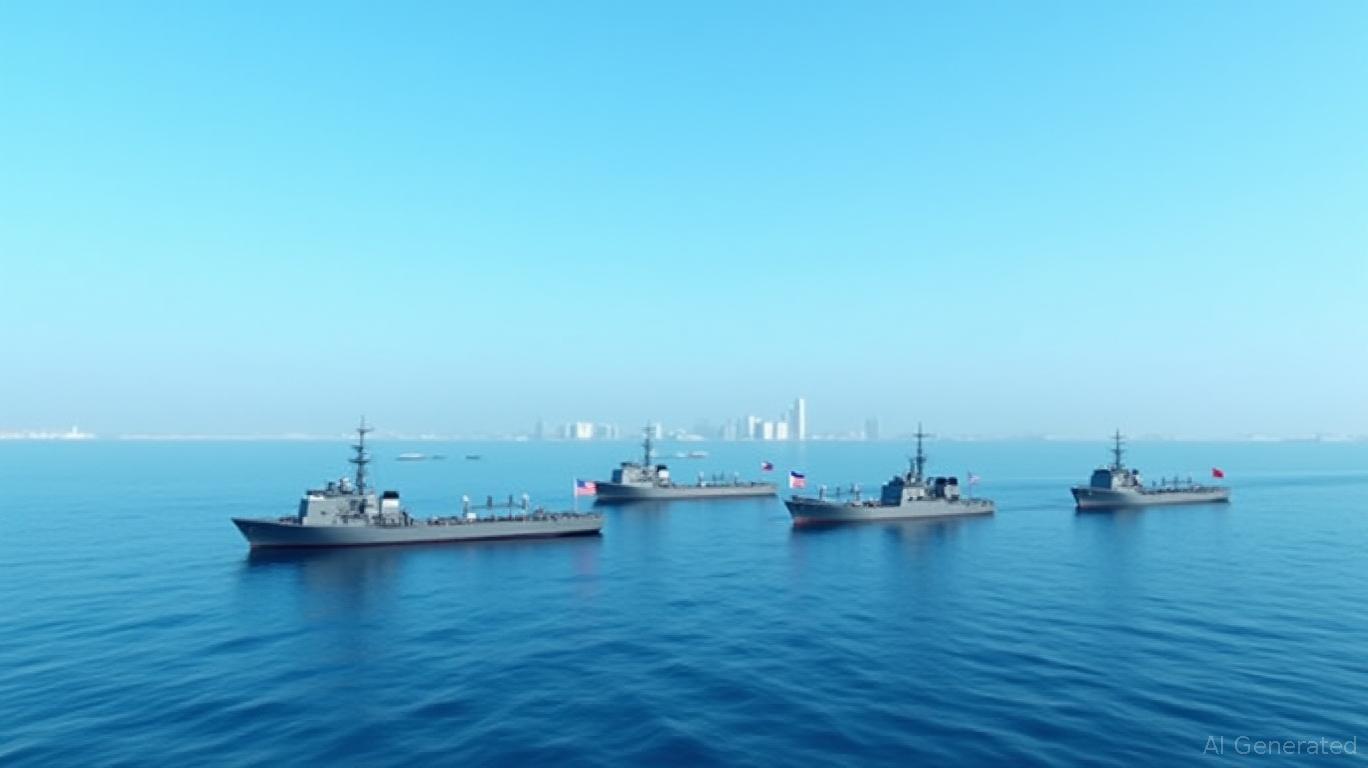
The current strategy from the Trump administration is what experts call "blockading the blockaders." It sounds clever on paper, but it's causing total chaos on the waves. The US has moved its largest military force into the region since 2003, featuring the USS Abraham Lincoln and the USS Gerald R. Ford. The goal was to force Iran to stop mining the Strait and attacking merchant ships.
Instead of backing down, Iran has leaned into the chaos. They’ve turned the Strait into a toll booth from hell, at one point demanding $1 million per ship for passage. When the US moved to clear mines and escort tankers, the IRGC responded with sea drones and "swarming" tactics. It’s a lopsided fight in terms of raw power, but Iran doesn’t need to win a naval battle to win the economic war. They just need to make the risk of transit too high for insurance companies to cover.
The Islamabad Stalemate
Everyone hoped the talks in Pakistan would provide a breakthrough today. They didn't. Iranian envoys didn't even show up for the second round of negotiations. Why? Because the demands coming out of Washington keep shifting. One day it's about reopening the Strait; the next, it's about a "better than JCPOA" nuclear deal and regime change.
Tehran sees this as a survival game. They believe they can endure the economic pain longer than the American public can stomach $6-a-gallon gas and the threat of another "forever war." They aren't just fighting the US Navy; they're betting on the political clock in Washington.
Why Your Gas Bill Is Exploding
This isn't some distant geopolitical chess match. It's hitting your wallet right now. Since the air war began on February 28, 2026, roughly 600 million barrels of oil have been wiped from the global market. That’s not a typo.
- Supply Shock: Tanker traffic through Hormuz dropped by 70% almost instantly.
- Infrastructure Damage: Attacks aren't limited to ships. Drone strikes have hit tankers as far away as Kuwait, more than 500 miles from the Strait.
- The Insurance Nightmare: Most major shipping firms have suspended operations entirely. You can't sail a $200 million vessel into a minefield if nobody will insure it.
The US economy is absorbing the shock, but for how long? Inflation is creeping toward 4%, and the jet fuel shortage in Europe is already grounded flights. This is the 1970s oil crisis on steroids because today’s global supply chains are far more fragile.
The Failed Logic of Escalation
The biggest mistake people make is thinking that more firepower will solve a maritime blockade. The US has the most sophisticated Navy in history, yet they can't stop a guy in a speed motorboat from dropping a cheap naval mine in the middle of the night.
The IRGC’s toolkit—drones, mines, and small boats—is designed specifically to be "un-clearable." Even if the US Navy escorts a dozen tankers, the thirteenth one gets hit by a sea drone, and the market panics all over again. It’s a paradoxical equilibrium. The US is "winning" on the battlefield by hitting Iranian ministries and military sites, but they’re losing the war of "freedom of navigation."
Honestly, the mixed signals from the White House aren't helping. Threatening to "knock out every single power plant" in Iran while simultaneously asking for a "very fair and reasonable deal" just tells Tehran that Washington is frustrated. And in a war of nerves, showing frustration is a weakness.
What Happens Next
Don't expect a sudden reopening of the shipping lanes. The situation is likely to get worse before it gets a chance at getting better. If you're looking for signs of peace, watch the "open for open" proposal. If the US agrees to let ships dock at Iranian ports in exchange for Iran clearing the mines, we might see some movement. Until then, the Strait remains a no-go zone.
Keep an eye on the insurance premiums for maritime freight. When those start to drop, you’ll know the "experts" actually believe the war is cooling off. Right now, they don't. Prepare for high energy costs to be the new normal for the foreseeable future. If you're planning travel or run a business dependent on logistics, start looking for alternatives now. The "Epic Fury" strikes might have been fast, but the fallout is going to be incredibly slow.