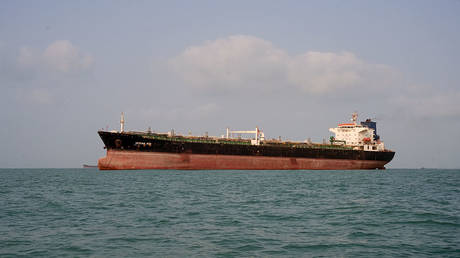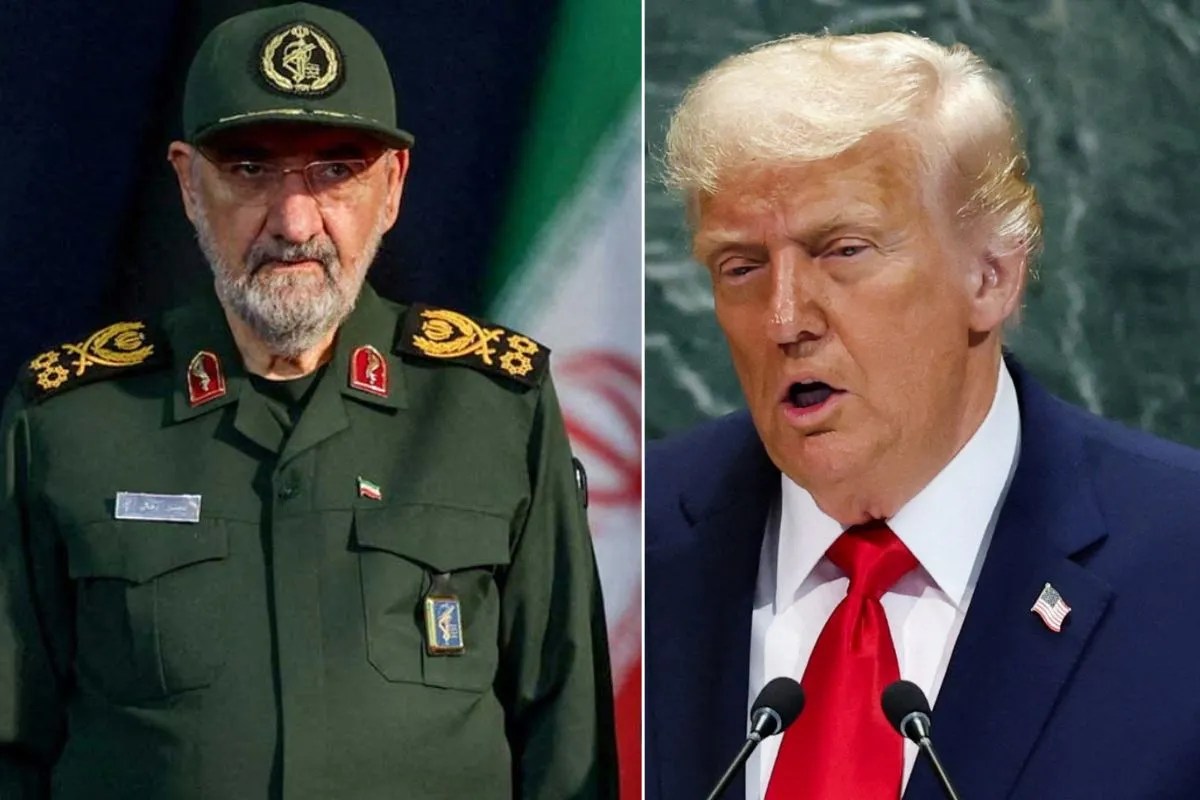
When tanker traffic grinds to a halt in the Persian Gulf, the shockwaves hit gas stations from Tokyo to New York within hours. Tehran has made its position painfully clear to Washington. If the current diplomatic and military posture doesn't shift, the Strait of Hormuz stays shut.
You aren't just looking at a regional dispute over maritime borders. You are watching a high-stakes choke point crisis that threatens roughly one-fifth of the world's petroleum supply. Let's break down what's actually happening behind the headlines and why the standoff refuses to cool down.
The Choke Point That Holds the World Economy Hostage
Geography gave Iran an incredible amount of leverage, and Tehran knows how to use it. The Strait of Hormuz is narrow, volatile, and essential. When military friction escalated between the US, Israel, and Iran, the Iranian Revolutionary Guard Corps moved quickly to restrict passage.
Insurance rates skyrocketed overnight. Major shipping lines started rerouting vessels or telling crews to drop anchor far away from the danger zone.
Washington insisted that freedom of navigation is non-negotiable. Yet, brute force hasn't magically cleared the waterway. Commercial vessels keep getting caught in the crossfire, and shipowners are voting with their feet by staying away.
Why Traditional Posturing Stopped Working
For decades, military planners assumed that a show of American naval strength would instantly deter local actors. That playbook failed here. Iran's leadership doubled down, treating the waterway as a defensive shield and a retaliatory tool against Western sanctions and air campaigns.
We have seen this script before, but the stakes in 2026 feel heavier. When regional intermediaries like Oman attempt to broker separate shipping mechanisms, Washington reacts with immediate hostility. The White House wants absolute control and zero Iranian tolls, while Tehran demands formal recognition of its regional presence.
This friction creates a dangerous grey zone. It's neither a declared global war nor a stable peace. It's a grinding contest of economic endurance.
What Happens When Energy Supplies Get Squeezed
Every time talks collapse, commodity markets react violently. Refineries scramble for alternative crude sources, and liquefied natural gas prices bounce unpredictably.
If you run a logistics business or manage manufacturing supply chains, you already feel the pinch. You can't separate foreign policy from your monthly operating costs anymore. When navigation through the Gulf depends on fragile truces that break within weeks, long-term planning becomes an exercise in guesswork.
Keep a close eye on independent tanker tracking data rather than official press releases. The actual number of daily commercial crossings tells the real story of whether the strait is functioning or just making empty headlines. Prepare your operational budgets for sustained energy volatility because this standoff has no quick exit.