A cargo ship gets attacked in the Strait of Hormuz and the global supply chain hits a wall. It happens in seconds. A drone strikes the superstructure, or armed guards board from a helicopter. Suddenly, a vital chokepoint becomes a no-go zone.
If you think this is just a regional political headache, you're wrong. It's a direct threat to your bottom line. When a cargo ship is attacked while passing via the Strait of Hormuz, the shockwaves travel instantly through global markets, spiking oil prices and skyrocketing maritime insurance rates.
Most analysis focuses entirely on geopolitics. They talk about state actors and international laws. But if you run a business or manage logistics, you need to know how these attacks change the actual mechanics of moving goods. Let's look at what's really happening on the water and what it means for global commerce.
Why the Strait of Hormuz Is the Ultimate Chokepoint
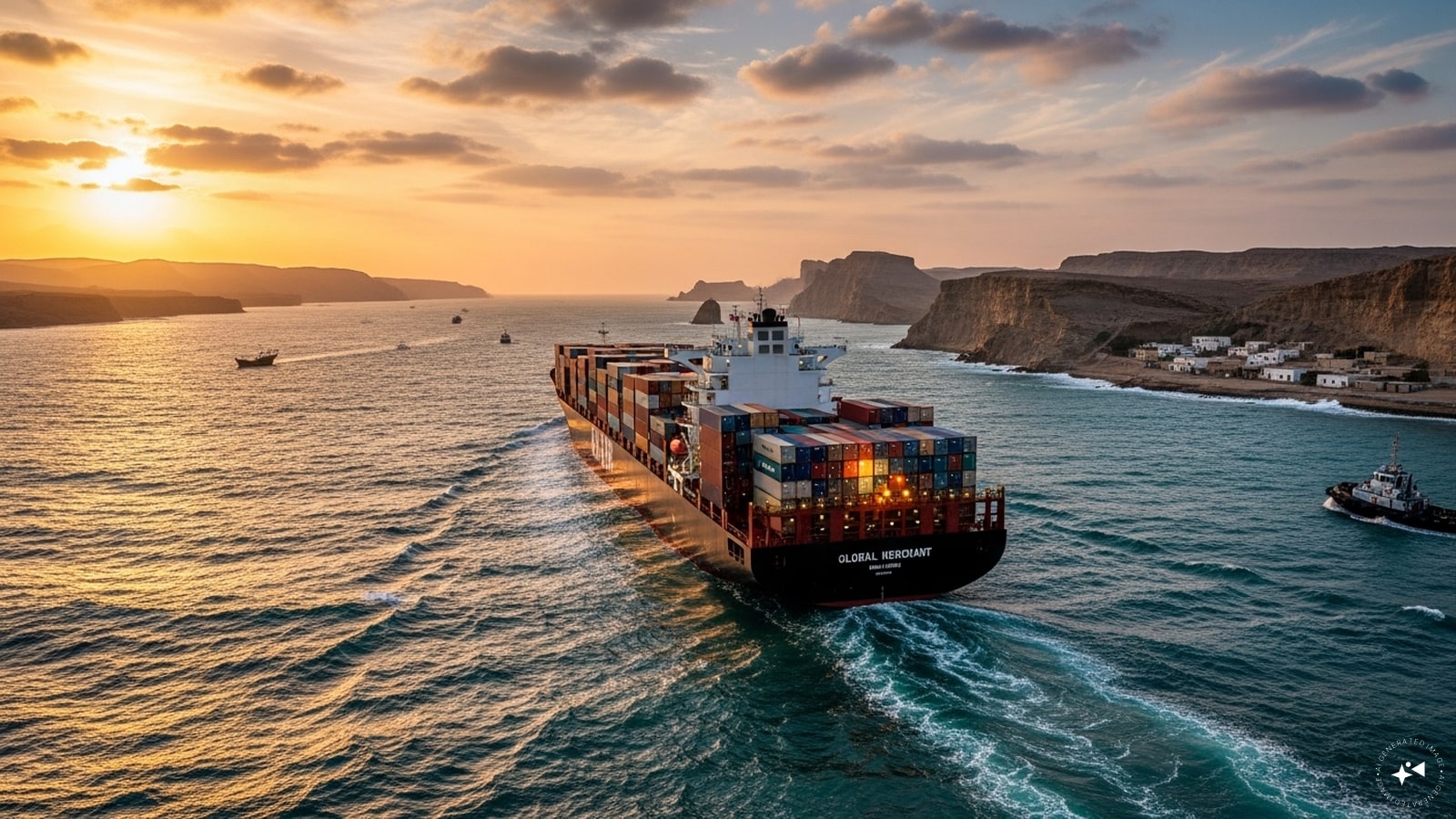
Geography is brutal. The Strait of Hormuz connects the Persian Gulf with the Gulf of Oman and the Arabian Sea. At its narrowest point, the shipping lanes are only two miles wide in either direction. Think about that. Giant container ships and oil tankers, some stretching a quarter-mile long, must squeeze through a tiny strip of water.
Over a fifth of the world's petroleum passes through this corridor every single day. It isn't just about oil, though. Hundreds of container ships carrying electronics, machinery, and consumer goods navigate these waters. There's no easy detour. If you can't go through, you go around, and going around adds thousands of miles to the journey.
Regional tensions turn this geographic bottleneck into a shooting gallery. Naval mines, drone swarms, and fast-attack missile boats are constant threats. When a vessel gets targeted, it isn't just one company's problem. The entire maritime industry feels the impact immediately.
The Shocking Real Cost of Maritime Attacks
When news breaks that a cargo ship was attacked while passing via the Strait of Hormuz, the immediate focus is on the crew and the physical damage. That makes sense. Human lives are on the line. But behind the headlines, a financial crisis starts brewing for logistics networks.
Insurance companies don't wait for a second attack. They raise rates instantly. Underwriters adjust what they call war risk premiums. A few years ago, insuring a vessel through a high-risk zone cost a fraction of a percent of the ship's value. During a crisis, that premium can jump to over one percent of the hull value for a single transit. For a $100 million vessel, you're looking at a massive extra cost just to sail through the strait once.
Shipowners pass these expenses down. They add emergency risk surcharges to every container. If you're importing goods, your freight forwarder sends you a revised bill with zero warning. You pay it, or your cargo sits at the port.
Then there is the scheduling disaster. Attacks cause immediate traffic jams. Ships drop anchor in safe zones, waiting for military escorts or clearer intelligence. A delay of three days in the Persian Gulf ripples across global schedules. It knocks out delivery windows in Rotterdam, New York, and Singapore. Your inventory planning goes out the window.
How Modern Maritime Attacks Actually Happen
The methods used to target commercial shipping have evolved rapidly. It's no longer just about traditional navies stopping vessels for inspections. Today's threats are asymmetric, cheap, and highly effective.
- One-Way Attack Drones: Low-cost loitering munitions can fly hundreds of miles. They target a ship's navigation bridge or living quarters to cause maximum disruption with minimal cost.
- Anti-Ship Missiles: Fired from hidden coastal launchers, these weapons give merchant ships almost zero reaction time.
- Helicopter Airborne Boarding: Commando units drop directly onto the deck of a moving vessel, taking control of the ship before the crew can signal for help.
- Waterborne Improvised Explosive Devices: Remote-controlled boats packed with explosives are directed straight into a ship's hull at the waterline.
Merchant crews are not soldiers. They are civilian mariners. They wear hard hats and high-visibility vests, not body armor. When an incident occurs, their main objective is survival, not defending the cargo.
Organizations like the UK Maritime Trade Operations and private security firms like Ambrey track these incidents in real time. They issue urgent warnings to vessels in the area, telling them to alter course or increase speed. But when you're steering a massive, slow-moving container ship, dodging an attack is almost impossible without military intervention.
The Myth of the Quick Fix
Many corporate managers assume the military will just solve the issue. They think international coalitions will protect every ship. That's a dangerous illusion.
Naval escorts require an immense amount of coordination and resources. The US Navy, the British Royal Navy, and other international partners operate task forces in the region, but they cannot be everywhere at once. A destroyer can only protect a small convoy. Hundreds of ships move through the region daily, leaving the vast majority to sail undefended.
Rerouting isn't a simple alternative either. If you avoid the Middle East chokepoints entirely, you force ships to sail around the southern tip of Africa. Bypassing the region and heading around the Cape of Good Hope adds roughly 10 to 14 days to a voyage between Asia and Europe. It burns massive amounts of extra fuel, requires more crew hours, and severely reduces the global supply of available shipping containers. You end up paying more for a slower service.
What Ship Operators and Cargo Owners Must Do Right Now
Sitting back and hoping for the best is a terrible business strategy. If your freight routes rely on the Middle East, you need an active contingency plan.
First, diversify your shipping lanes immediately. Relying entirely on ocean freight through the Suez Canal and Persian Gulf leaves you vulnerable to sudden stoppages. Look into air freight options for high-value, time-sensitive components, or explore overland rail networks across Central Asia if they fit your supply chain.
Second, audit your contracts with carriers. Look closely at the force majeure clauses and war risk terms. Understand exactly who is liable for extra costs when an attack occurs. Don't let a sudden insurance surcharge blow a hole through your operational budget.
Third, demand better visibility from your logistics providers. You should know exactly where your containers are at any given hour. If a security incident occurs near the Strait of Hormuz, you need to know if your cargo is in the danger zone or safely out of reach, allowing you to adjust your domestic production schedules before a shortage hits your facility.
The reality on the water is changing fast. Security threats in vital shipping lanes are a structural feature of modern global trade, not a temporary glitch. Watch the data, prepare for delays, and build resilience into your supply chain before the next strike occurs.