Maritime transit through the Strait of Hormuz operates within a compressed geopolitical bottleneck where physical geography dictates global energy supply chains. When commercial shipping assets encounter unidentified projectiles, the operational impact extends far beyond immediate structural damage, triggering systemic reactions across marine insurance, transit scheduling, and regional risk assessment frameworks. Analyzing these incidents requires stripping away superficial reporting to examine the baseline risk drivers, economic friction points, and strategic variables governing maritime navigation in contested choke points.
The Structural Anatomy of Choke Point Vulnerability
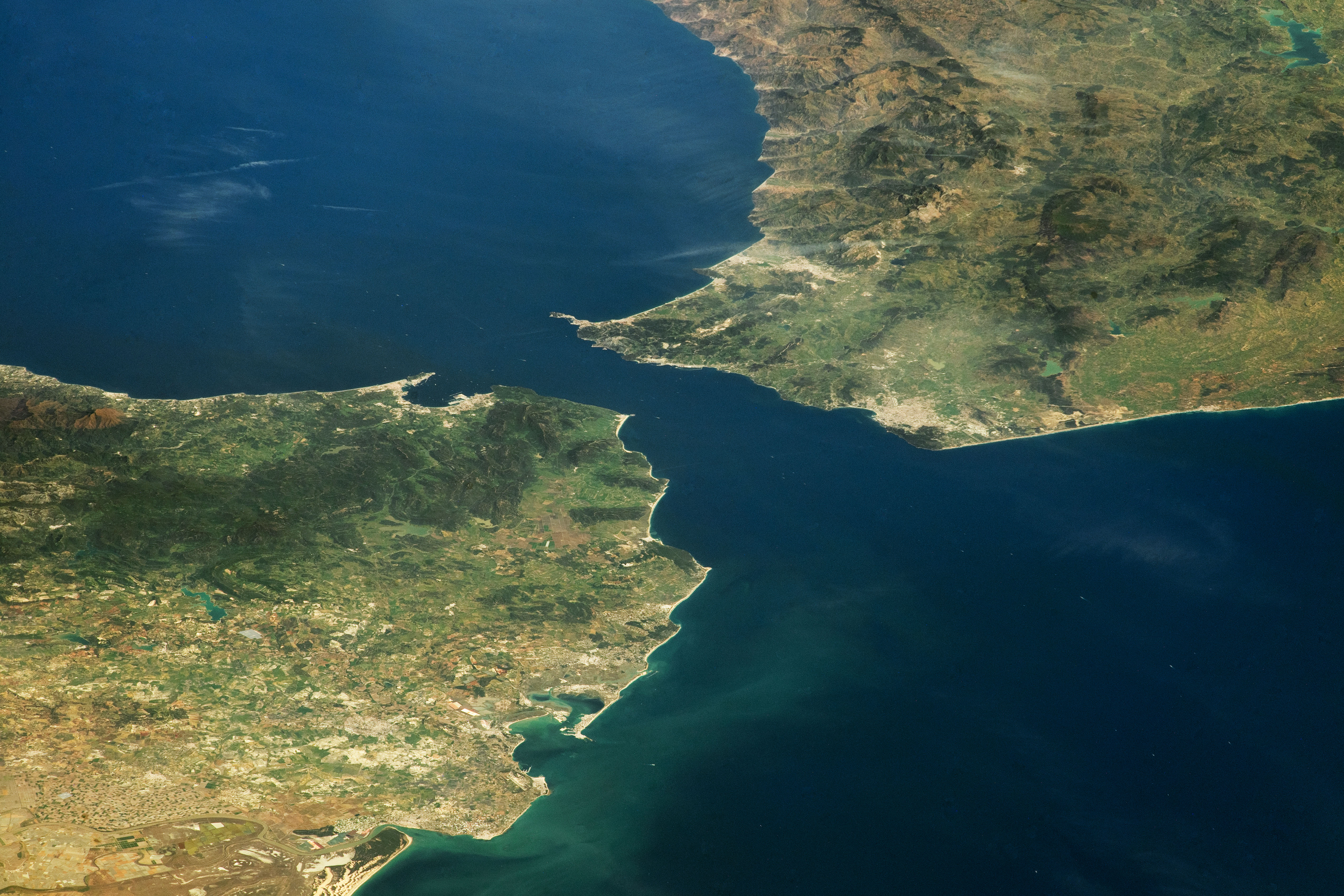
The Strait of Hormuz spans approximately 21 miles at its narrowest point, with inbound and outbound shipping lanes each only two miles wide separated by a two-mile buffer zone. This physical constriction forces supertankers, liquefied natural gas carriers, and dry bulk freighters into predictable tracks that simplify targeting for state and non-state actors alike.
Commercial operators navigate this corridor under strict navigational protocols governed by the International Maritime Organization, yet these rules assume a benign operating environment. When an unknown projectile strikes a tanker, the incident exposes three fundamental vulnerabilities inherent to modern maritime logistics:
- Predictable Trajectory: Commercial vessels possess limited tactical maneuverability due to draft, displacement, and stopping distances, leaving them bound to established separation schemes.
- Information Asymmetry: Ship masters rely on open-source maritime trade operations warnings and visual sightings, lacking the military-grade sensor suites required to detect low-radar-cross-section threats early.
- Payload Vulnerability: Modern double-hull crude carriers maximize cargo capacity while keeping structural steel weights optimized for efficiency, making them susceptible to localized kinetic impacts despite enhanced compartmentalization.
The Economic Transmission Mechanism of Maritime Incidents
Risk realization in the Hormuz corridor immediately alters the cost function of global energy transport. Marine underwriters do not price risk based solely on the probability of a direct hit; they price it based on systemic tail risk. When a vessel reports an onboard fire following an impact, the market response follows a distinct sequence of operational friction.
War risk insurance premiums for Persian Gulf transits adjust instantaneously upon the verification of an incident. Underwriters issue additional premiums known as Listed Area Premiums, which can spike from fractions of a percent to several percentage points of a vessel's hull value per transit. For a Very Large Crude Carrier valued at over one hundred million dollars, a multi-percentage point increase translates into hundreds of thousands of dollars in incremental overhead per voyage.
Vessel operators face a binary decision matrix upon encountering hostile activity: absorb elevated operational expenditures or divert assets around alternative routes where feasible, though geographical realities limit choices in the Gulf. Charterers factor these safety margins into freight rates, which ultimately transmits inflationary pressure downstream to refined petroleum products and global manufacturing inputs.
Incident Response Mechanics and Fire Suppression Limitations
Mitigating a projectile strike on a fully loaded crude carrier involves severe operational constraints. Tanker safety management systems adhere to strict fire safety protocols, yet a projectile impact introduces unpredictable variables that test baseline engineering safeguards.
When an unknown projectile breaches a superstructure or deck fitting, the primary danger involves the ignition of residual vapors or localized fuel oil lines rather than immediate cargo ignition, given that crude oil typically requires specific air-fuel ratios and temperatures to burn openly. However, onboard crew complements are lean—often numbering fewer than twenty-five individuals—limiting the manpower available for simultaneous damage control, navigation, and emergency engineering response.
Fixed fire-fighting systems, including foam monitors and water spray curtains, protect specific deck areas, but structural warping from kinetic impacts can jam watertight doors or compromise piping networks. The reliance on crew-led firefighting under high-stress conditions introduces human factor variables that automated analytics cannot fully predict.
Strategic Operational Adaptations for Fleet Managers
Maritime security directors managing fleets through high-threat zones must transition from reactive monitoring to proactive threat mitigation. Standard operating procedures now demand enhanced hardening measures, electronic counter-measure readiness, and continuous situational awareness integration.
Security teams deploy citadel procedures where crews retreat to fortified, self-sustaining spaces equipped with independent air supply and communication arrays if boarding or extreme attack occurs. Concurrently, vessel hardening involves the installation of razor wire, reinforced bridge glass, and dedicated watch positions equipped with thermal imaging optics to identify surface anomalies before they enter effective engagement ranges.
Charterers increasingly mandate route synchronization, ensuring vessels transit the Strait during daylight hours or in coordinated convoys when regional tensions escalate. This clustering effect alters port scheduling and terminal turnaround times, compounding port congestion across major loading terminals in the Arabian Gulf.
Deploy alternative routing analysis protocols for all pending Persian Gulf charters by cross-referencing real-time military advisory broadcasts with commercial satellite tracking data to calculate exact exposure windows prior to clearing the Musandam Peninsula.