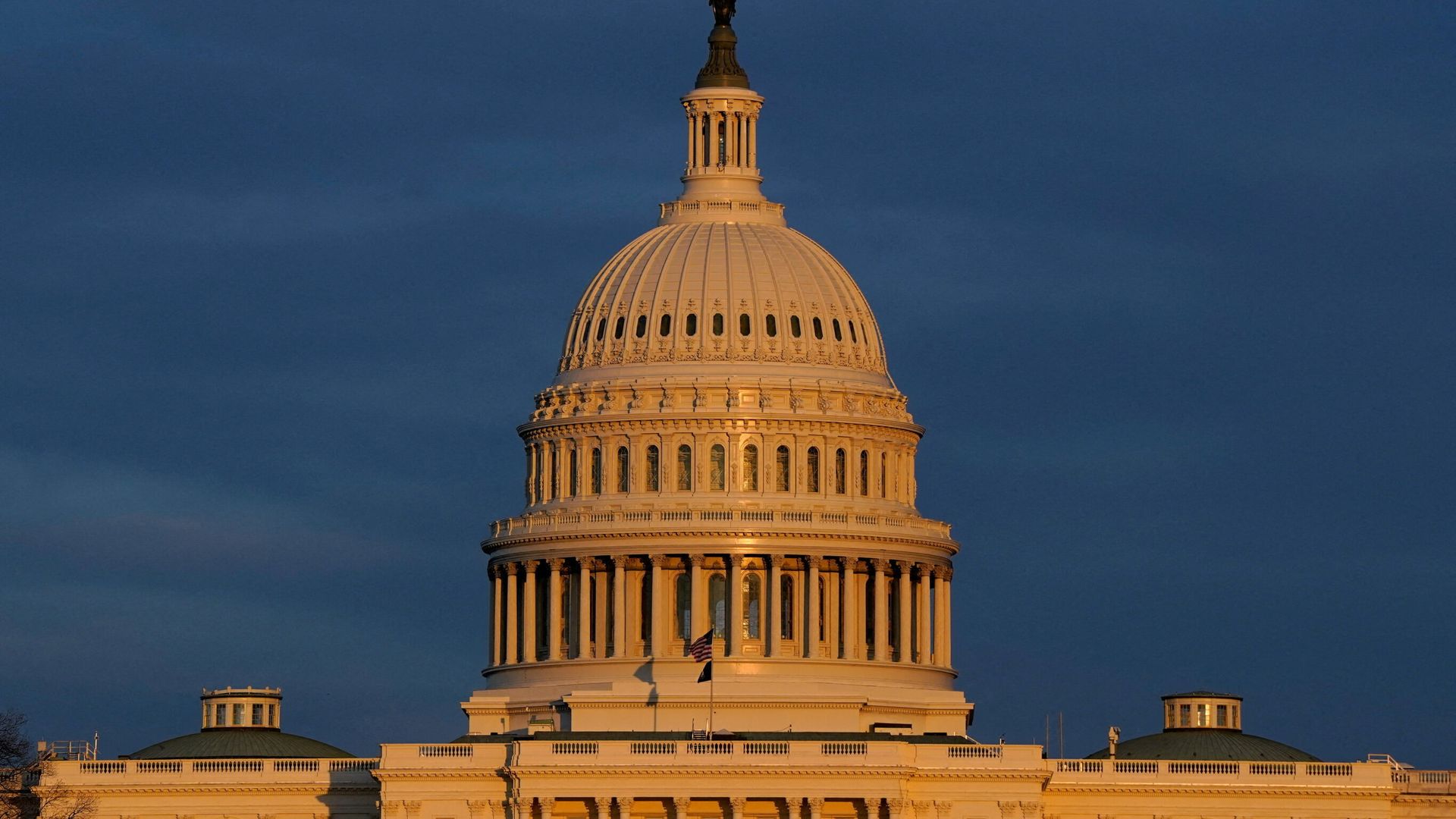
Every two years, political journalism descends into a collective ritual of self-delusion. Pundits drag out touchscreen monitors, stroke their chins over suburban swing counties, and hyperventilate about impending red or blue tidal waves. They treat the United States midterm elections like a high-stakes football game where the team with the best momentum wins.
It is a comforting illusion. It turns structural decay into spectator sports.
The lazy consensus dominating mainstream media coverage treats midterms as a straightforward referendum on the sitting president. If the economy stumbles or approval ratings dip, the narrative goes, the opposition party automatically sweeps in to restore order. This reductionist framework ignores the foundational mechanics of modern American statecraft. Midterm outcomes are rarely about organic voter shifting; they are engineered outcomes born of geographic sorting, asymmetric primary electorates, and institutional inertia.
Let us look past the talking points and examine why conventional election analysis fails every single cycle.
The Myth of the Nationalized Referendum
The foundational error of modern political commentary is the belief in a unified national electorate. There is no single American voter standing in a uniform marketplace of ideas. There are roughly three hundred million citizens trapped inside hyper-localized echo chambers mapped out by partisan cartographers.
When political scientists trot out generic ballot polls six months before a midterm, they are measuring noise. Voters in deeply gerrymandered districts do not respond to national headwinds the way pundits imagine. If a congressional map has been drawn to guarantee an eighty-percent safe margin for one party, no amount of macro-level economic anxiety or presidential unpopularity is going to dislodge the incumbent from the inside.
I have watched consultants burn nine figures on broadcast ad buys in districts where the baseline demographic math made victory an absolute impossibility. They rely on the lazy consensus that persuasion still matters in a world defined almost entirely by tribal sorting. People do not vote for candidates because of a sparkling five-point policy plan on healthcare; they vote out of cultural identity and negative partisanship. The party in power loses seats not because the opposition presented a superior vision, but because the out-party's base is perpetually terrified into higher urgency.
The Primary Trap and the Extremism Loop
Another glaring blind spot in standard election commentary is the total misunderstanding of primary dynamics. The mainstream narrative treats general election voters as the primary engine of change, completely ignoring the fact that the real election happens months earlier in low-turnout primary contests.
Primary electorates are radically unrepresentative of the general public. They skew older, wealthier, more ideological, and infinitely more vocal. Consequently, the candidate incentives are violently warped. To survive a primary, a contender must pander to the absolute ideological fringes of their base. By the time they reach the general election, they are shackled to rhetoric that alienates the vital median voter.
Pundits act surprised when midterms produce hyper-polarized legislative bodies incapable of basic governance. They wonder why compromise is dead. Compromise is dead because the system punishes moderation with primary challengers. Until we stare this structural reality in the face, expecting a different legislative outcome from the same primary pipeline is the definition of institutional insanity.
Redistricting is a Waste of Political Capital
Every cycle features dramatic breathless coverage of mid-decade redistricting battles and map adjustments. Parties invest staggering amounts of legal fees and political capital trying to squeeze an extra two or three seats out of a state legislature.
The dirty little secret that party bosses refuse to admit is that aggressive redistricting frequently backfires. When you pack your opponent into concentrated districts to lock down safe wins elsewhere, you inadvertently create fragile margins across your own map. A modest shift in independent turnout can turn a carefully engineered "safe" seat into a competitive nightmare.
The energy spent redrawing lines is a displacement activity. It distracts party leadership from building enduring, ground-up community coalitions. Maps change, but demographic currents run deeper. Parties that focus exclusively on cartographic trickery find themselves blindsided by organic shifts in local populations who are entirely sick of both political brands.
The Real Question You Should Be Asking
Stop asking whether a wave is coming. Stop looking at presidential approval ratings as a crystal ball for congressional seats.
The relevant inquiry is structural: How long can a governance model survive when its primary feedback loop rewards legislative paralysis and punishes cross-party consensus?
The structural machinery of midterms guarantees that institutional power remains insulated from actual public sentiment. Gerrymandering cushions the blow of backlash, primary polarization weeds out pragmatism, and dark-money spending ensures that the loudest voice wins regardless of substance.
Until the underlying architecture of elections is reformed to reward broad-based consensus rather than base mobilization, midterm updates will remain nothing more than theatrical pageantry masking a stagnant status quo. Stop treating it like a horse race. It is a locked room, and the exit doors have been welded shut from the inside.