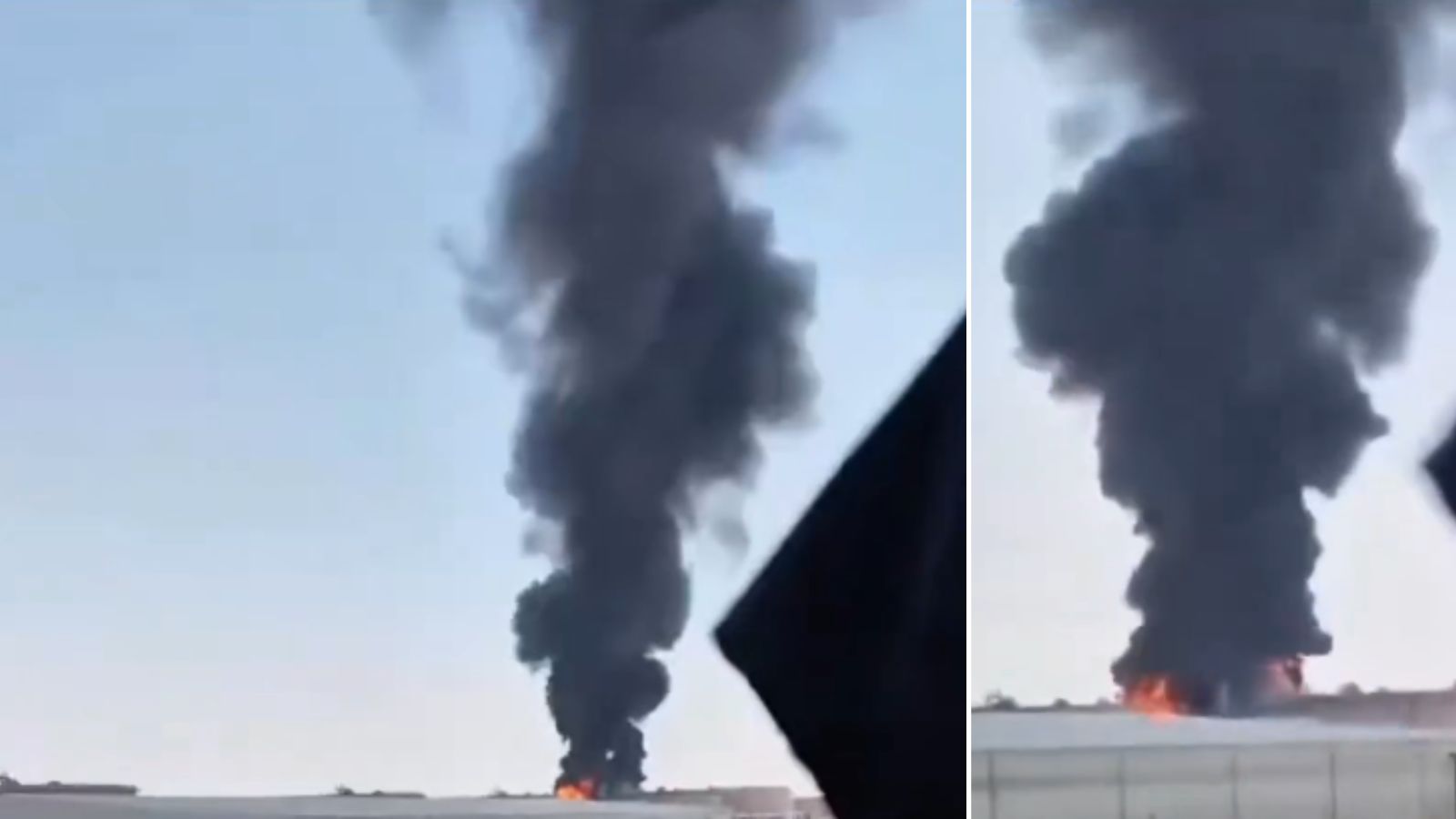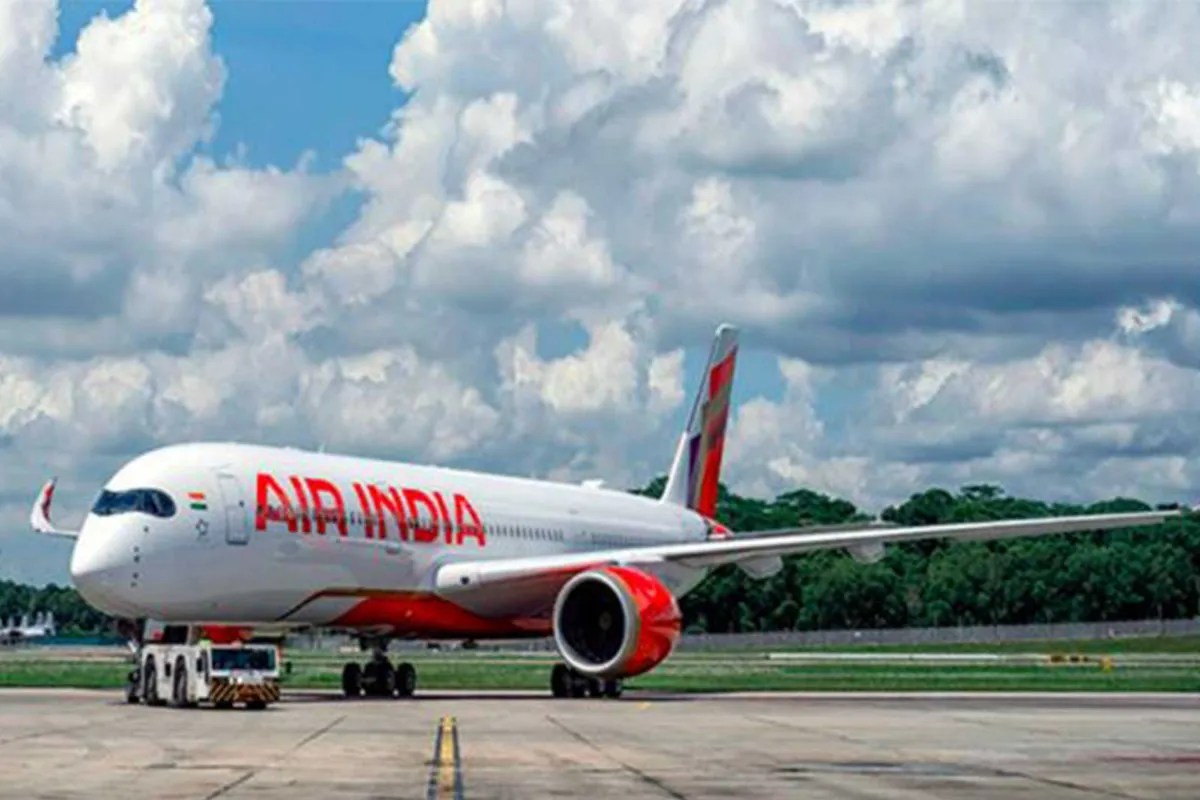
Another headline breaks. An Air India flight from Delhi to Kathmandu turns around mid-air because of a technical glitch. Social media erupts. Passengers post furious videos about wasted hours, missed meetings, and broken vacation plans. Journalists frame the incident as a failure of maintenance, a near-miss, a structural indictment of modern commercial aviation.
It is none of those things.
It is the single best piece of news those passengers could have received that morning.
Every time a commercial aircraft reverses course and heads back to its origin point, the public treats it like a national tragedy. This reaction is born from a profound, dangerous misunderstanding of how complex engineering systems fail and how safety actually operates. When a captain decides to burn fuel, dump weight, and land back at Indira Gandhi International Airport instead of pushing on over the rugged Himalayan terrain toward Tribhuvan International Airport, they are not failing. They are winning. They are exercising the ultimate defensive privilege in aviation: the right to say no.
The modern air traveler has been conditioned by low-cost carriers and algorithmically optimized timetables to view punctuality as a moral virtue. If a flight leaves at 0800 and lands at 1030, the system works. If it deviates by a single minute, the system is broken. This consumer mindset is a cognitive poison. It creates an invisible, crushing pressure on flight crews, dispatchers, and maintenance teams to normalize minor anomalies just to protect the quarterly on-time performance metric.
Let us fix the vocabulary immediately. A technical glitch at thirty thousand feet is not a crisis. It is a data point. Airplanes are not pristine monoliths; they are collections of millions of interacting components operating under severe thermal, mechanical, and barometric stress. Redundancy is built into every square inch of a modern transport category aircraft. If a secondary hydraulic loop flickers, or an environmental control pack throws an erratic temperature reading, the plane is rarely in immediate danger. But the margin of safety shrinks.
Here is what the armchair critics miss. Kathmandu is not Delhi. Tribhuvan International is a notoriously challenging tabletop runway nestled in a high-altitude valley surrounded by steep terrain, notoriously prone to unpredictable wind shear and sudden weather drops. Attempting an approach into Kathmandu with a degraded secondary system is an act of supreme stupidity. Turning back to Delhi, where there are wide runways, dedicated engineering hangars, spare aircraft, and a massive support infrastructure, is an act of cold, calculated brilliance.
I have watched corporate boards sweat over delay penalties and passenger compensation payouts. I have seen mid-level operations managers quietly hint to dispatchers that an advisory message on a flight deck display "might just be a sensor glitch." Those moments are where aviation disasters are born. When an airline culture punishes conservatism, crews stop reporting minor faults. They normalize deviations. They press on through deteriorating conditions because they dread the social media backlash of a return.
When passengers scream about ruined schedules after a turn-back, they are actively incentivizing future pilots to take stupid risks.
Consider the statistical reality. Commercial aviation is the safest mode of mass transportation in human history precisely because its culture is aggressively paranoid. Every rule in the aviation rulebook is written in blood. Decades of wreckage analysis taught regulators that the chain of events leading to a hull loss almost always begins with a series of small, unaddressed anomalies that crew members chose to ignore to stay on schedule.
When an Air India crew turns around over the northern plains, they are breaking that chain. They are looking at an amber light on the flight deck, running the checklist, consulting the quick reference handbook, and concluding that the risk matrix no longer favors continuation. They are choosing paperwork, passenger complaints, and logistical nightmares over the alternative.
The public wants perfection. They want planes that never break, schedules that never slip, and crews that never hesitate. That world does not exist. The physical universe does not care about your business meeting in Thamel.
Imagine a scenario where airlines operated the way passengers demand. Imagine a carrier that forces its crews to press on through every minor system warning because turning back costs fifty thousand dollars in fuel and rebooking fees. That airline would have a phenomenal on-time arrival rate for about three years. Then, it would experience a catastrophic accident that would erase its market capitalization overnight.
You cannot have a zero-tolerance policy for technical glitches without simultaneously creating a 100 percent tolerance policy for schedule delays. You cannot demand bulletproof reliability while penalizing the exact mechanism that guarantees it.
The next time you board an aircraft and the pilot announces that a technical issue requires a return to the gate or a turnaround mid-route, do not groan. Do not pull out your phone to tweet angry complaints at the airline handle. Stand up, collect your bag, and mentally thank the flight deck for valuing your life more than their arrival slot.
The aviation industry does not suffer from too many turn-backs. It suffers from an impatient public that does not understand what it takes to keep them alive at five hundred miles per hour. Stop treating operational caution as an inconvenience. It is the only barrier standing between you and the ground.
Stop checking flight trackers like stock tickers. Stop measuring an airline's worth by its ability to beat the clock. Measure it by its willingness to turn around when the math stops making sense.
The plane that lands safely back where it started is not a failure. It is a masterpiece of professional restraint.