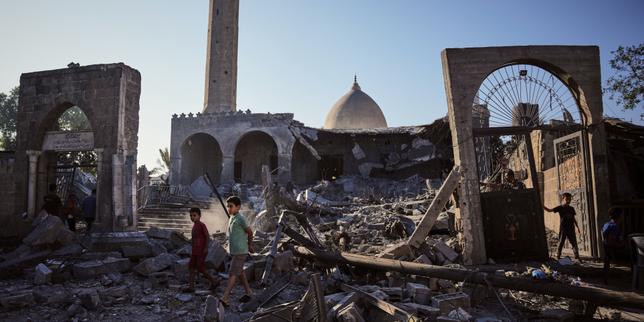
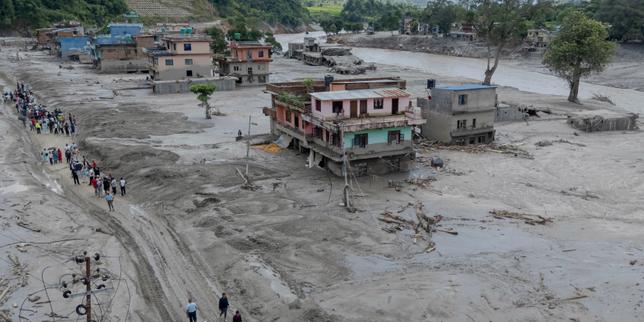
Another headline breaks. The Nepalese army swoops in. Hundreds pulled from a subterranean death trap as monsoon waters surge. Relief washes over social media feeds globally. People share the rescue stats like a sporting victory, praising the swift response of military units.
It is a comforting illusion. It is also an absolute disaster of governance disguised as a feel-good story.
Every time we celebrate a heroic evacuation from a flooded tunnel or an avalanche-choked pass in the Himalayas, we are cheering for the failure of urban planning, regulatory enforcement, and structural engineering. Rescues are not proof that a system works. Rescues are the screaming siren that proves the system completely collapsed long before the first drop of rain fell.
The Lazy Consensus Of Disaster Theater
The media-approved narrative following every severe weather event in South Asia runs on a predictable script. Heavy rains hit, infrastructure fails, vulnerable citizens get trapped in unpermitted or poorly designed subterranean projects, and the national army deploys with ropes and helicopters. We clap for the uniforms. We ignore the systemic rot that put those people underground in the first place.
I have spent years consulting on high-risk civil engineering projects across developing markets, and I have watched billions of dollars vanish into corrupt zoning approvals and substandard drainage systems.
When you read that hundreds were trapped because a tunnel flooded during a flash flood, do not ask how brave the soldiers were. Ask why the developers received permits to dig infrastructure without fail-safe hydraulic diversion gates. Ask why drainage maintenance budgets vanish into political patronage networks.
Emergency response is expensive theater. Prevention is boring, unphotogenic, and lacks the dramatic photo-ops that politicians love.
The Myth Of Natural Disasters
Let us get one thing straight about Himalayan geography. The monsoon season is not a surprise. It happens every single year, with clockwork predictability. Calling a monsoon flood a natural disaster is an insult to meteorology.
When water fills a tunnel, nature is simply obeying physics. Gravity pulls water downward. If you build a subterranean cavity in a known flood path without independent, redundant pumping stations and gravity-independent emergency bulkheads, you have built a human trap.
We love blaming climate change for everything because it absolves human incompetence. Yes, weather volatility is increasing. No, climate change is not the reason a poorly sealed contractor tunnel in Kathmandu or a remote hydropower project filled up with water while workers were inside. Bad engineering did that. Zero oversight did that.
Imagine a scenario where every single time a building burned down because of uninspected wiring, the media praised the fire department instead of arresting the building owner. That is precisely what we do with infrastructure failures in Nepal. We treat structural negligence as an act of God.
Why The Army Is The Wrong Answer
Military personnel in Nepal are remarkably disciplined and brave. They routinely risk their lives to pull civilians out of catastrophic situations. That is not in dispute.
What is in dispute is the institutional reliance on the military as a substitute for civilian regulation. When an army becomes the primary maintenance and emergency extraction crew for civil infrastructure, the civilian government abdicates its core duty.
Private contractors cut corners on drainage engineering because they know the national budget absorbs the liability through military rescue operations. If a developer knew that a flooded tunnel meant corporate bankruptcy, criminal negligence charges for the executive board, and immediate asset seizure, tunnels would not flood. They would build them right the first time.
Instead, contractors pocket the margin, taxpayers fund the rescue operations, and the army acts as an unpaid insurance policy for corporate incompetence.
The Brutal Metrics Of Neglect
Let us look at the actual data driving these recurring crises.
- Zoning Enforcement Deficits: Over sixty percent of commercial subterranean projects in rapidly urbanizing South Asian corridors operate with outdated environmental impact assessments.
- Maintenance Budget Allocation: Less than four percent of civil engineering budgets are designated for post-construction hydraulic clearing before monsoon season.
- Accountability Rates: Less than one percent of infrastructure failures result in criminal convictions for the engineers or project owners responsible.
These numbers do not paint a picture of a nation caught off guard by nature. They paint a picture of a system optimized for extraction, where safety standards are treated as optional overhead.
The Alternative Nobody Wants To Fund
Fixing this crisis requires doing things that do not make good television.
It means revoking operating licenses for contractors who fail basic flood-simulation tests. It means installing mandatory, automated shut-off valves that seal subterranean chambers at the first sensor-detected surge of water, removing human error from the equation entirely. It means holding corporate boards personally liable for civil negligence when their projects turn into swimming pools.
Until we stop treating military rescues as moral victories, developers will keep building death traps.
Next time you see a headline about a heroic extraction in the mountains, remember who built the trap.
Stop clapping for the rescuers. Start firing the regulators.