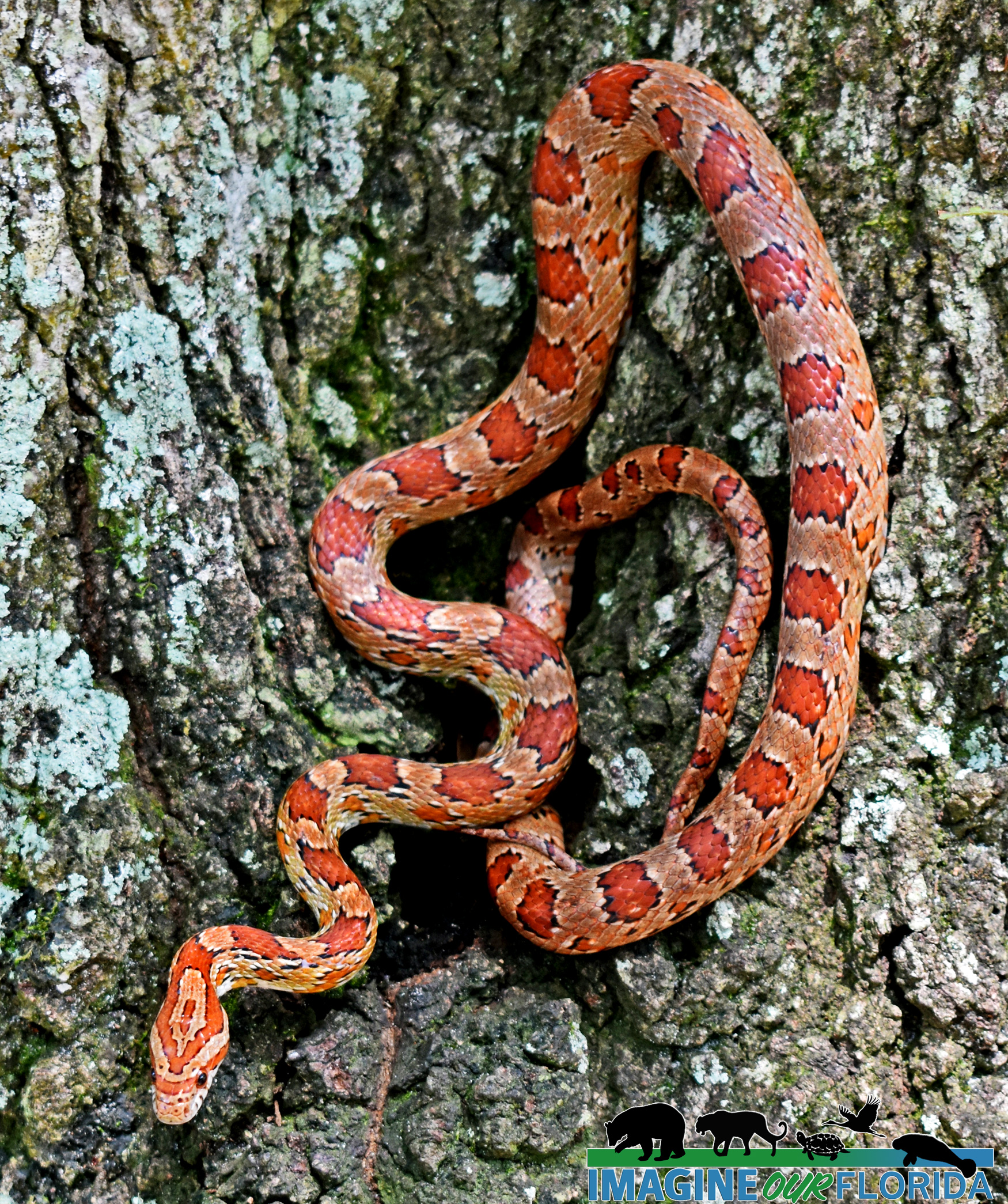
Every few months, a glossy profile drops about a local snake catcher whose phone will not stop ringing. The narrative never changes. Suburbs expand into scrubland, copperheads or eastern browns or rattlesnakes show up in laundry rooms, and a rugged hero arrives with tongs and a pillowcase to haul the reptile into the woods. The headline always frames the "one problem" as burnout, low pay, or the tragedy of habitat loss.
They miss the real problem entirely.
The uncomfortable truth that wildlife removal companies, viral social media handlers, and feel-good local news segments refuse to confront is simple: standard snake relocation is a ecological meat grinder dressed up as mercy.
When you pay someone to bag a venomous snake in your backyard and dump it three miles away in a state park, you are not saving that animal. In most cases, you are signing a slow-motion death warrant while actively making the neighborhood you just "cleared" more dangerous for the next family on the block.
I have spent years working alongside herpetologists, state wildlife biologists, and nuisance wildlife operators across North America and Australia. I have watched well-meaning homeowners spend hundreds of dollars per callout to feel virtuous about not using a shovel, only to fund a practice that ecological science dismantled two decades ago.
The Lazy Consensus of "Catch and Release"
The prevailing wisdom in suburban wildlife management rests on a comforting fairy tale. Humans and snakes share a border. When a snake crosses the line, a trained professional captures it without harm and releases it into "suitable habitat" far from people. Everybody wins. The homeowner gets peace of mind, the catcher gets a paycheck and a dramatic Instagram reel, and the snake goes free.
That story collapses the moment you attach a radio transmitter to the snake.
Decades of radio-telemetry research—led by field biologists like Howard Reinert, Rupert Shine, and Christopher Jenkins—consistently demonstrate what happens when adult snakes are translocated outside their established home ranges. Snakes are not wandering nomads looking for the nearest patch of green trees. They are spatial specialists with intricate cognitive maps of their territories. They know where every rodent burrow, thermal basking rock, seasonal water seep, and winter hibernaculum sits within a surprisingly rigid boundary.
Drop an adult timber rattlesnake, tiger snake, or western diamondback into unfamiliar territory a few miles away, and its behavior breaks down immediately.
Instead of settling into the lush forest the catcher picked out, the animal enters a state of frantic, disoriented hyper-locomotion. Telemetry data shows translocated snakes travel two to four times farther per day than resident snakes. They burn through critical fat reserves searching for familiar chemical cues and shelter sites they already know. Because they do not know where the safe refuges are, they stay exposed in the open far longer, turning into easy targets for hawks, owls, raccoons, and vehicle traffic.
Worse, if the release happens in late summer or autumn, a translocated snake frequently fails to locate a viable communal den before temperatures plummet. It freezes to death inches below the frost line. Mortality rates for long-distance translocated vipers and elapids routinely exceed 50 percent within the first year, compared to roughly 10 to 15 percent for resident adults left undisturbed.
Calling this "rescue" is pure marketing. If a mechanic fixed your brakes by cutting the fluid lines so the car rolled quietly into a lake out of sight, you would not call him a hero.
The Vacuum Effect Nobody Mentions on the Invoice
Even if you do not care about the survival odds of the specific snake hauled out of your garage, the business model of removal-and-relocation fails on purely selfish human terms.
Snake catchers love to advertise "snake-proofing" or "yard clearing." They show up, remove a six-foot rat snake or a gravid rattlesnake, collect their fee, and leave you with the illusion that your property is now sterile.
Nature hates an empty dining room.
Snakes do not choose your yard because they enjoy manicured Bermuda grass or patio furniture. They are there because your property provides two non-negotiable resources: high-density prey and structural cover. When a catcher removes the resident adult snake that had claimed your woodpile and perimeter shrubs, those mice, voles, frogs, and lizards do not pack their bags and leave. Their population spikes. Within weeks, neighboring snakes cruising the perimeter detect the drop in predatory competition and the surge in scent trails, moving straight into the vacant territory.
You have not solved a snake problem. You have created a recurring subscription model for the removal company.
Think about a scenario where a homeowner has a resident non-venomous kingsnake or black racer living under a back deck. That single resident animal consumes dozens of rodents a year and actively suppresses—or in the case of ophiophagous kingsnakes, literally eats—venomous pit vipers passing through. A panicked homeowner calls a catcher, pays $250 to have the harmless resident relocated ten miles away, and by next spring wonders why copperheads have suddenly moved into the foundation plantings.
Why the Industry Boom Is Actually a Warning Sign
When articles celebrate that "business is booming" for top snake catchers, they treat call volume like a metric of environmental stewardship. In reality, booming snake-catching businesses are a symptom of two failures: ecological illiteracy among homeowners and perverse financial incentives within the wildlife control industry.
Let us look at the economics. A nuisance wildlife control operator (NWCO) makes money per capture, per trip, or per exclusion contract. Telling a frantic client, "Leave the snake alone; it is passing through after heavy rain and will be gone by tomorrow morning," generates zero revenue. Putting that snake in a bucket, driving it to a conservation area, and filming the release generates $200 to $500, plus social media engagement that drives the next ten calls.
I am not claiming every snake catcher is a grifter. Many of them genuinely love reptiles and put themselves at real physical risk to prevent homeowners from hacking harmless animals to pieces with garden tools. In dense urban cores where a venomous snake is trapped inside a kindergarten classroom or a hospital mechanical room, physical removal is non-negotiable.
The problem is that emergency intervention has become the default response for every backyard sighting.
Dismantling the Myths Homeowners Actually Search For
If you look at what people frantically type into search engines the second they spot scales in the grass, every single query is built on a flawed premise.
Does mothballs or sulfur powder keep snakes away?
No. Snake repellents sold in hardware stores—whether naphthalene mothballs, sulfur dust, or clove-and-cinnamon sprays—are legally registered as deterrents only because manufacturers exploit loose testing thresholds, not because they stop a hungry snake. Field trials by wildlife biologists consistently show snakes crawling straight across chemical barrier lines without hesitation. All you accomplish by dumping mothballs around your porch is poisoning your soil, endangering neighborhood pets, and inhaling toxic fumes while the snakes ignore the border entirely.
If I see one snake, does it mean there is a nest in my yard?
Snakes do not build nests, guard eggs in family units, or operate in packs. Most species are solitary hunters. The only times you see multiple snakes together are during brief spring breeding aggregations or when specific species—like garter snakes or timber rattlesnakes—gather at shared winter hibernacula. Seeing one snake in July means you saw one snake looking for water or a meal.
Should I relocate a snake to a nearby creek or nature preserve?
Even if state law permits you to move a wild reptile—and in many jurisdictions, moving wildlife across property lines without a specific permit is illegal—dumping it in a nature preserve harms the ecosystem already there. You risk introducing novel pathogens, such as Ophidiomyces ophiodiicola (Snake Fungal Disease), into naive wild populations, while forcing the displaced animal into lethal territorial competition.
What is the best way to make sure a snake never comes back?
Stop managing the snake and start managing the real estate. Snakes have no interest in open, exposed ground where aerial predators can spot them instantly. They hug edges, crevices, and dense groundcover.
The Counter-Intuitive Fix: Micro-Translocation and Habitat Starvation
If we actually care about keeping families safe and keeping snakes alive, the playbook needs a radical overhaul. Herpetologists have spent the last fifteen years proving what works, and almost none of it looks like what you see on reality television.
First, replace long-distance relocation with short-distance translocation. When a venomous snake truly must be moved off a patio or away from a playset, moving it 100 to 300 yards into adjacent thick cover—just outside the immediate human activity zone, while remaining inside the animal's existing home range—changes the survival math completely. Studies on western diamondbacks and tiger snakes show that short-distance translocated animals retain their spatial bearings, locate known refuges within hours, and exhibit survival rates nearly identical to undisturbed controls. The catch? Homeowners hate this idea because they want the snake "gone forever," even though dumping it three miles away simply invites a stranger to take its place next month.
Second, attack the bottom of the food chain, not the top. If you want zero snakes near your house, eliminate the reasons they stop there:
- Lift your storage off the ground. Lumber piles, stacked flagstones, tarp-covered lawnmowers, and leaning sheets of plywood create dark, humid microclimates that stay 15 degrees cooler than ambient air. Raise firewood racks at least 12 inches off the soil.
- Eliminate dense horizontal groundcover against foundations. English ivy, sprawling junipers, and thick mulch beds against brick walls are five-star hotels for rodents and the snakes that hunt them. Maintain a clean, mowed buffer of bare gravel or short turf at least three feet wide around your house perimeter.
- Fix the rodent leak. Bird feeders are the single biggest hidden driver of suburban snake encounters. Spilled millet and sunflower seeds attract mice and rats at night; snakes follow the scent trails straight to your back porch two days later. Switch to no-mess hulled seed or take feeders down during warmer months.
- Seal quarter-inch gaps. Any opening wide enough to fit a pencil—under garage door weatherstripping, around AC refrigerant lines, or along foundation vents—is an open door for mice and juvenile snakes.
The Honest Downside of the Nuanced Approach
Let us be candid about the friction here. Telling a terrified parent to leave a snake alone, or asking a snake catcher to move an animal 150 yards into the brush behind the fence instead of hauling it across town, requires real emotional maturity from the homeowner.
There are genuine limits to habitat modification. If your property backs directly onto a wetland, a rocky hillside, or a riparian corridor, no amount of gravel borders or elevated woodpiles will drop your snake encounter rate to zero. Snakes are native wildlife moving across a landscape they occupied millions of years before subdivisions were surveyed. Furthermore, in high-density suburban neighborhoods where neighbor panic leads immediately to shovel killings, short-distance translocation fails if the snake simply crosses into the yard next door where someone is less tolerant.
In those edge cases, long-distance relocation remains a flawed compromise—slightly better than immediate decapitation, far worse than coexistence.
Stop Applauding the Band-Aid
The next time you read a glowing profile about a snake catcher running ten calls a day and wishing there were more hours in the afternoon, do not celebrate it as a conservation triumph. Recognize it for what it actually is: an expensive, ecologically destructive treadmill fueled by human panic and ecological amnesia.
Real wildlife management does not fit inside a five-gallon bucket with a snap-on lid. If you want fewer snakes in your yard, fire the delivery service, clean up the rodent buffet around your foundation, and let the local predators keep their map.