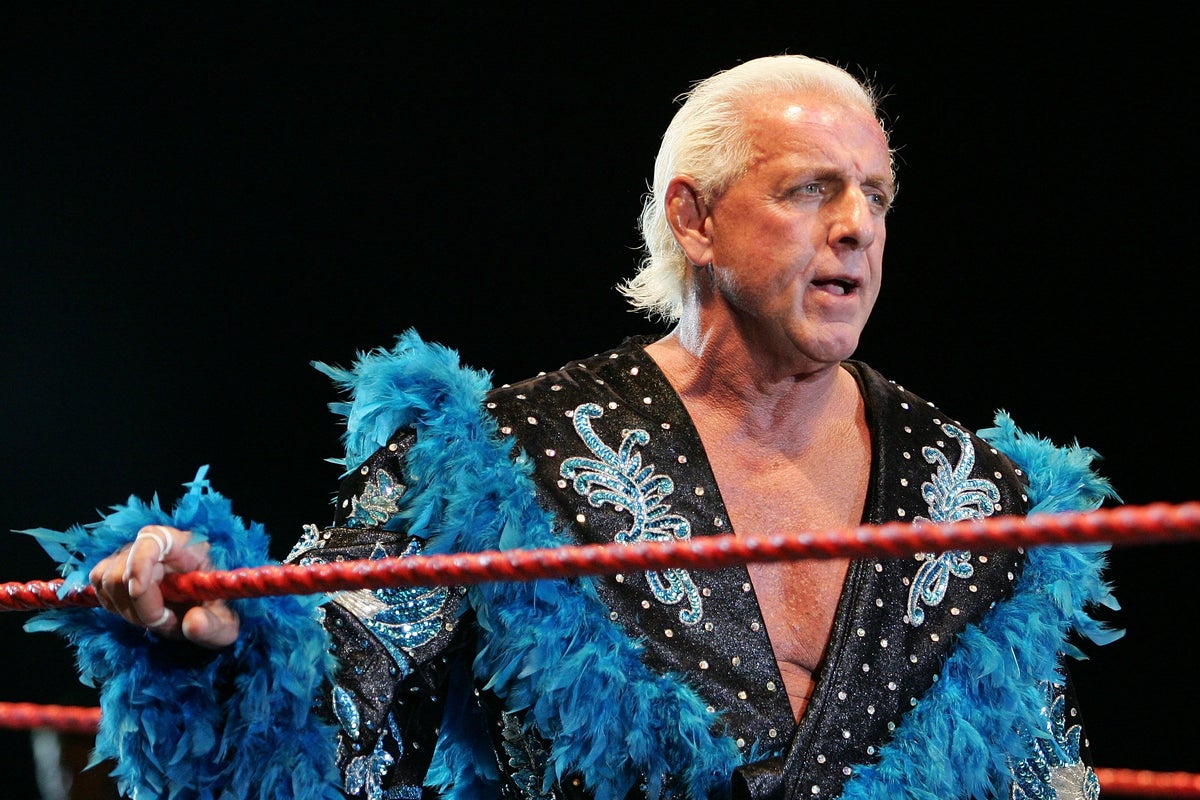
The media is currently hyperventilating over Ric Flair’s ten-million-dollar lawsuit against an influencer management outfit called FAM Networks. The lazy consensus is predictable. Aging wrestling icon gets tricked by predatory modern digital sharks, signs a piece of paper in fourteen minutes, and hands over the keys to his virtual kingdom. Poor Nature Boy. Victim of the internet age.
Absolute nonsense.
Let us look past the sob story and examine the math, the mechanics, and the sheer delusion of aging celebrities trying to monetize ghosts. I have watched legacy acts burn millions trying to buy turnkey digital salvation, and the truth is far uglier than a predatory contract. Ric Flair didn't get "duped" out of a thriving digital empire. He handed over a smoldering ruin of recycled nostalgia because he thought someone else could magically turn dead air into six figures a month.
You cannot steal what was already worthless on the open market.
The Myth of the Passive Digital Goldmine
The core grievance in the lawsuit is that FAM Networks promised six figures monthly from a hacked, demonetized Facebook page and delivered a fraction of that while recycling old clips. Here is what the mainstream write-ups miss: a legacy asset in digital media has a half-life shorter than a two-minute squash match.
When an agency looks at a veteran star from decades past, they see a database of old catches, robes, and catchphrases. They do not see an active audience. Fans of yesteryear do not convert into high-yield digital ad revenue just because you post a picture of a strut. The attention economy runs on native native-born digital behavior, not borrowed glory.
Imagine a scenario where a washed-up rock star hands his Instagram password to a twenty-something growth hacker, expecting a million-dollar brand deal by Tuesday. That is not fraud; that is a fundamental misunderstanding of supply and demand. If a Facebook page is demonetized and hacked to begin with, its residual equity is practically zero. Expecting a third-party agency to pull a hundred grand a month out of a defunct community page is financial magical thinking.
The Fourteen-Minute Signature Fallacy
The lawsuit makes much of the claim that Flair was handed a complex agreement, told he had lawyers when he didn't, and left to sign it in fourteen minutes.
Let us be brutally honest about how high-profile talent management works. When a celebrity is desperate for cash flow and digital relevance, they do not read contracts because they want validation, not legal protection. They want the dopamine hit of a projected revenue sheet. The fourteen-minute window wasn't a trap sprung by master criminal masterminds; it was a mutual sprint fueled by desperation on one side and opportunistic opportunism on the other.
In my experience advising brands and high-net-worth individuals through digital transitions, the ones screaming "fraud" the loudest are invariably the ones who refused to pay for competent counsel upfront because they wanted 100% of the upside without investing a dime in due diligence. You cannot bypass the boring, expensive work of hiring an entertainment attorney, sign away your rights for a hypothetical percentage split, and then cry foul when the other party behaves like a mercenary instead of a charity.
Why Legacy Acts Are Their Own Worst Enemies
The brutal reality of modern celebrity branding is that old-school fame does not translate to algorithmic loyalty. Algorithms do not care about World Championships. They care about retention rates, watch time, and comment velocity.
When a management firm takes over an aging star's channels and resorts to reposting existing content, it is usually because original content creation failed to move the needle. You cannot force a market to care about a legendary persona if the daily output is repetitive, uninspired, or alienating to modern platform users.
Blaming an influencer agency for taking twenty grand a month off a Facebook page while failing to secure high-tier speaking gigs ignores the fundamental truth of modern booking: promoters do not pay premium rates for yesterday's headlines when today's creators command higher engagement at a fraction of the cost. The market corrected itself, and the talent couldn't stomach the deflation of his own valuation.
Stop looking for villains in a transaction born of mutual delusion. The agency wanted a cheap portfolio scalp. The star wanted a miracle worker to fund a lifestyle built for a bygone era. Both sides got exactly what they deserved.
Stop crying for the legends. Start auditing your own balance sheet before you let desperation hand the keys to the kingdom to the highest bidder.