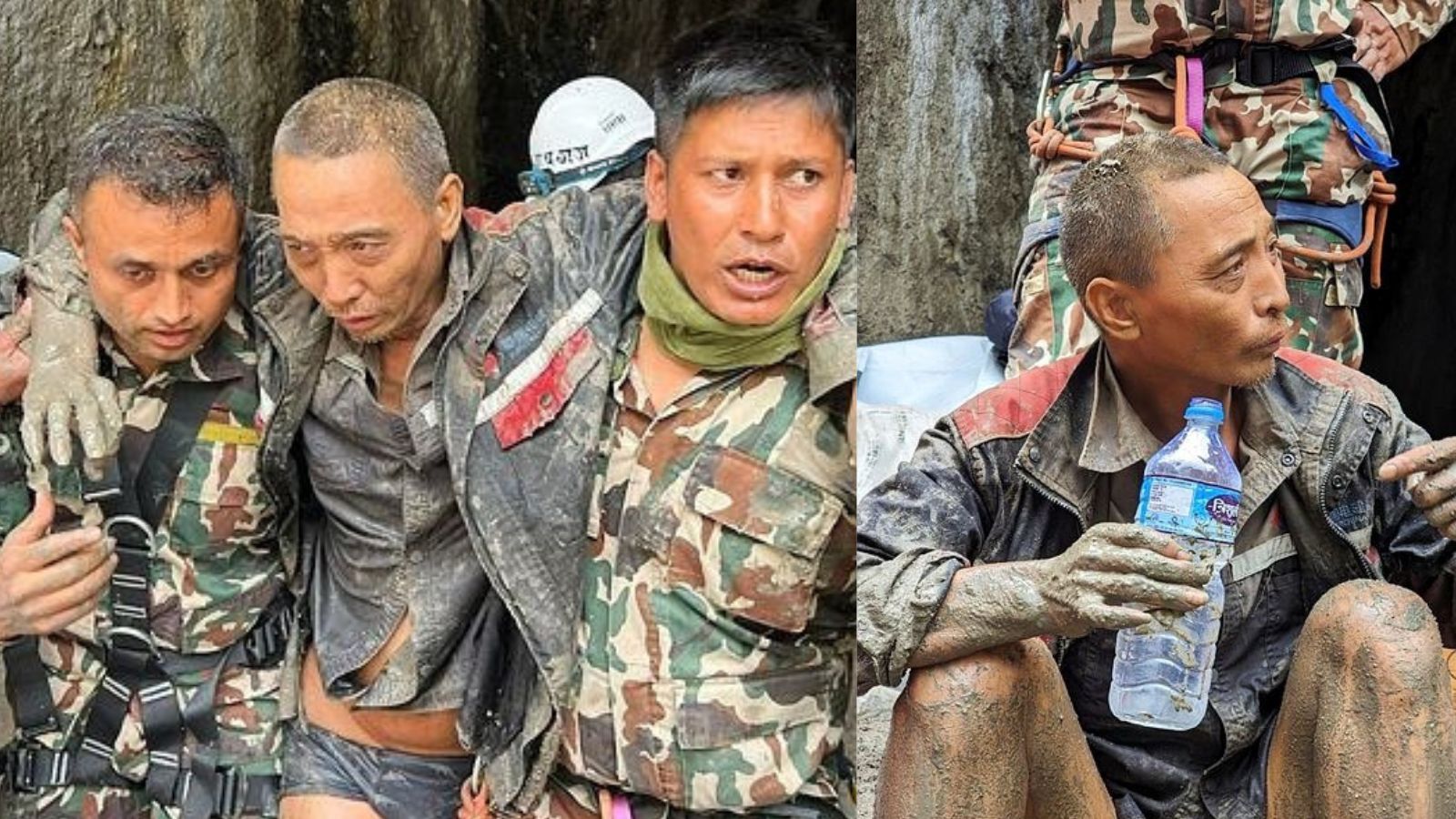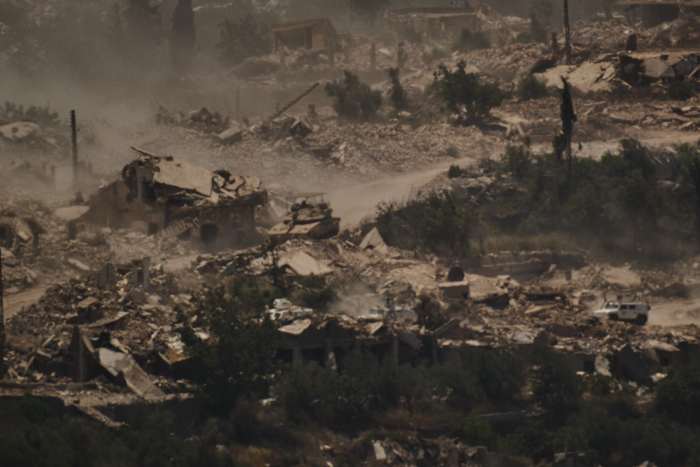
The headlines roll out with predictable, lazy sorrow. Another storm, another village, another tragic casualty count written off as an act of an angry god. Media outlets breathlessly recount how torrential downpours from a typhoon tore through Gaoping Town in Jiangxi Province, leaving homes crushed and human lives dangling by a thread. They point the finger at the sky. They praise the emergency response. They ask how long the search teams can hold out against the mud.
Every single word of that narrative is a deflection.
Nature does not commit structural homicide. Physics does. When a hillside collapses into a residential cluster because of heavy rain, you are not looking at an unpredictable quirk of fate. You are looking at a system failure of civil engineering, land management, and institutional hubris. We have mapped the geotechnical mechanics of soil liquefaction for over a century. We know precisely what happens when water supersaturates colluvial soil deposits on steep slopes. Yet, every time gravity does what gravity has always done, society acts like the Earth suddenly changed the rules.
Stop calling these events natural disasters. They are choices.
The Geography of Neglect
Let us look at the mechanics of what actually happened in Suichuan County. When sustained rainfall hits mountainous terrain, pore water pressure inside the soil mantle spikes. Shear strength plummets. If the slope has been undercut for road expansion, deforested for short-term agricultural yield, or built upon without deep-anchored retaining structures, it is not a matter of if the slope fails, but when.
The standard news cycle treats the resulting destruction as a lightning strike from nowhere. This is a comforting lie. It protects local zoning boards, infrastructure planners, and regional authorities from accountability. When twelve houses are wiped out and a dozen people are left unaccounted for, the failure happened years before the first drop of rain fell. It happened when someone drew a zoning map that treated high-risk colluvial fans as viable residential plots.
Imagine a scenario where every municipal engineering department was held financially and criminally liable for structural losses caused by predictable hydrological events. The map of where humans live would shrink overnight. Millions of people live in harm's way not because the planet forces them to, but because cheap land is prioritized over human safety.
The Myth of Preparedness Theatre
We obsess over the aftermath because the aftermath is photogenic. Sirens wailing, orange-clad rescue teams marching through muck, state broadcasters flashing casualty updates—it creates a theater of urgency. It allows institutions to pivot from negligence to heroism in a single news cycle.
The heroics are real. The firefighters and rescue personnel wading through waist-deep debris are doing brutal, necessary work. But praising the rescue while ignoring the root cause is like praising a surgeon for trying to save a patient who was pushed in front of a train.
Consider the billions funneled into post-disaster relief compared to preventative slope stabilization, LIDAR-based terrain mapping, and mandatory relocation programs. Prevention is boring. It does not make for a dramatic evening news broadcast. It requires unglamorous bureaucratic discipline: telling people they cannot build on a high-risk slope, enforcing strict drainage requirements, and retrofitting aging rural infrastructure.
When authorities talk about taking measures to prevent secondary disasters after a slide has already occurred, they are locking the barn door long after the mountain has emptied out. The time to prevent a landslide is thirty years before it happens, when the grading permits are signed.
Dismantling the Fatalism
The institutional response to events like the Jiangxi mudslide relies on weaponized fatalism. By framing the tragedy as an unavoidable consequence of extreme weather driven by typhoons, officials absolve themselves of systemic shortcomings. Weather is extreme; human settlement patterns are optional.
We possess the geotechnical tools to model slope stability down to the centimeter. We have soil nailing, anchored mesh systems, subsurface drainage networks, and early warning systems driven by real-time tensiometers measuring soil moisture. Yet, these technologies are deployed reactively or reserved for high-visibility urban projects, while rural townships are left to weather the elements on ancient, unreinforced foundations.
If you want to stop the body counts, stop buying into the narrative that the Earth is out to get us. The Earth is merely keeping score of where we built stupidly. Until we hold regional planners to the same standard of accountability we demand of structural engineers who design bridges, the mud will keep sliding, the houses will keep collapsing, and the headlines will stay sickeningly the same.