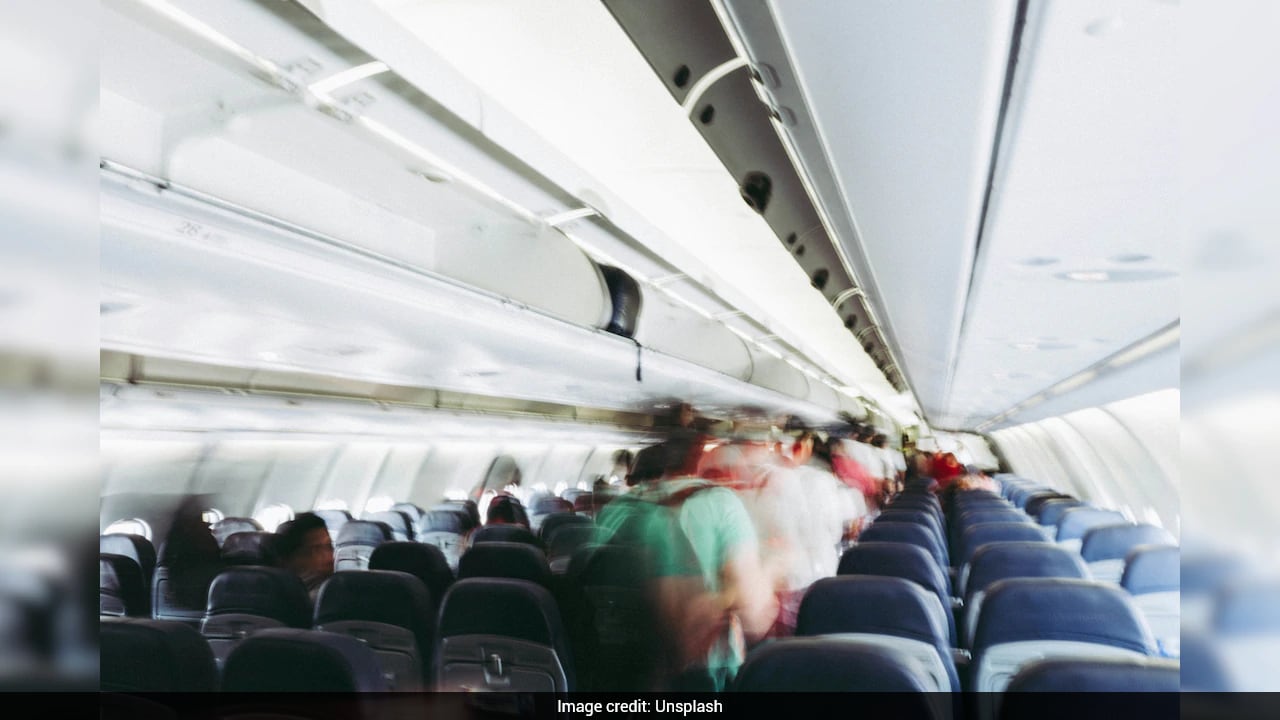
Another cabin fire story hits the mainstream feeds, and the reaction is entirely predictable. Five passengers injured mid-flight, a frantic emergency descent, and the immediate, lazy chorus from the aviation punditry pointing the finger at consumer electronics. Panic sweeps the boarding gates. Regulators start whispering about banning laptops entirely from overhead bins.
It is a completely backward diagnosis. If you found value in this piece, you might want to read: this related article.
The lazy consensus blames the chemistry in your backpack. The reality is far worse. We are running a high-stakes logistics lottery at thirty thousand feet, and the danger does not stem from the MacBook in your carry-on. The real threat hides behind administrative cowardice, absurd weight allowances, and a commercial cargo system that incentivizes cutting corners on safety.
The Physics Problem Everyone Ignores
Let us clear up the technical illiteracy right out of the gate. Thermal runaway is not a random act of God. It is a predictable chemical failure triggered by physical abuse, manufacturing defects, or external short circuits. For another perspective on this story, see the recent update from Travel + Leisure.
When a lithium-ion cell experiences a separator failure, the cathode and anode touch. Internal temperatures spike past five hundred degrees Celsius in milliseconds. The electrolyte boils, venting flammable gases that ignite instantly upon contact with oxygen.
Here is what the standard safety commentary misses: consumer devices carried in the cabin are subject to strict quality control by major hardware manufacturers. Apple, Dell, and Samsung spend billions ensuring their power management integrated circuits handle overcharge protection, thermal throttling, and voltage regulation with microscopic precision.
The catastrophic failures making headlines rarely originate from a pristine, well-regulated consumer laptop sitting under a seat. They stem from counterfeit replacement batteries, poorly packaged bulk shipments smuggled into the hold, and the quiet degradation of aging cells treated like indestructible bricks.
Passengers are not running a chemical weapons lab in row twelve. They are victims of a system that focuses anxiety on the wrong target.
Why Cabin Bans Miss the Mark
Regulators love cabin bans because they look decisive on evening news broadcasts. Stopping people from bringing electronics onto planes requires zero structural reform, costs taxpayers nothing, and shifts the entire burden of safety onto the flying public.
It is pure security theater.
If you force every passenger to check their electronics into the cargo hold, you eliminate the one place on the aircraft where a thermal event can be managed immediately. Flight attendants are trained with specialized containment bags and thermal-resistant gloves. They can spot smoke, deploy fire suppression, and isolate a failing device within seconds.
Throw that same laptop into the unpressurized, inaccessible belly of the plane, and a localized battery fire becomes an existential threat to the hull.
I have watched logistics operators treat lithium battery manifests with appalling casualness. Shippers routinely mislabel bulk battery shipments as ordinary computer accessories to dodge hazardous material surcharges. Airlines accept freight pallets without inspecting the individual packaging integrity because the cargo revenue keeps the route profitable.
Fixing aviation safety does not mean waging war on personal electronics. It means holding cargo forwarders to the same standards applied to passenger security screening.
The Uncomfortable Truth About Dangerous Goods
Let us look at how the International Air Transport Association handles lithium shipments. They allow UN3480 and UN3481 classifications under strict state-of-charge limits. The threshold sits at thirty percent capacity for bulk cargo shipments.
Why? Because a battery at thirty percent state of charge carries a fraction of the thermal energy compared to a fully charged cell. If a short circuit occurs, the fire extinguishes itself faster and generates less surrounding collateral damage.
Yet, nobody enforces this for consumer electronics checked into baggage. Passengers pack portable power banks, spare camera batteries, and old laptops into checked luggage, crammed between damp clothes and hard suitcases. These items get crushed, flexed, and subjected to baggage-handling machinery that treats cargo like scrap metal.
When a checked bag gets tossed from a belt at terminal speed, internal pouch cells deform. The microscopic plastic separator tears. Hours later, cruising at thirty-five thousand feet, the cell reaches a critical thermal threshold. By the time smoke fills the cabin, the fire has already consumed the surrounding luggage.
The lazy narrative blames the technology. The accurate critique blames the policy gap.
How to Fix Aviation Safety Without Destroying the Passenger Experience
We need a complete overhaul of how airlines process energy storage devices, starting with enforcement over prohibition.
First, mandate state-of-charge limits for all large batteries transported on commercial aircraft, regardless of whether they reside in the cabin or the hold. If an external power bank exceeds twenty thousand milliamp-hours, require mandatory gate inspection just like oversized carry-ons.
Second, ban the carriage of unbranded aftermarket replacement batteries entirely. The vast majority of spontaneous thermal runaways trace back to twenty-dollar knockoff cells purchased online, manufactured without pressure vents or proper cathode coatings.
Third, invest in cargo bay active suppression systems. Modern airliners carry sophisticated fire-suppression technology for fuel lines, but cargo holds rely heavily on Halon gas systems designed for traditional cardboard and fabric fires. Lithium-ion fires generate their own oxygen supply. Halon slows them down, but it does not stop a cascading thermal runaway. We need localized water-mist or aerosol suppression arrays in every container compartment.
Stop treating safety as a public relations exercise. The next time a smoking laptop makes the front page, do not ask why the passenger brought it. Ask why the system let it onto the plane in the first place.