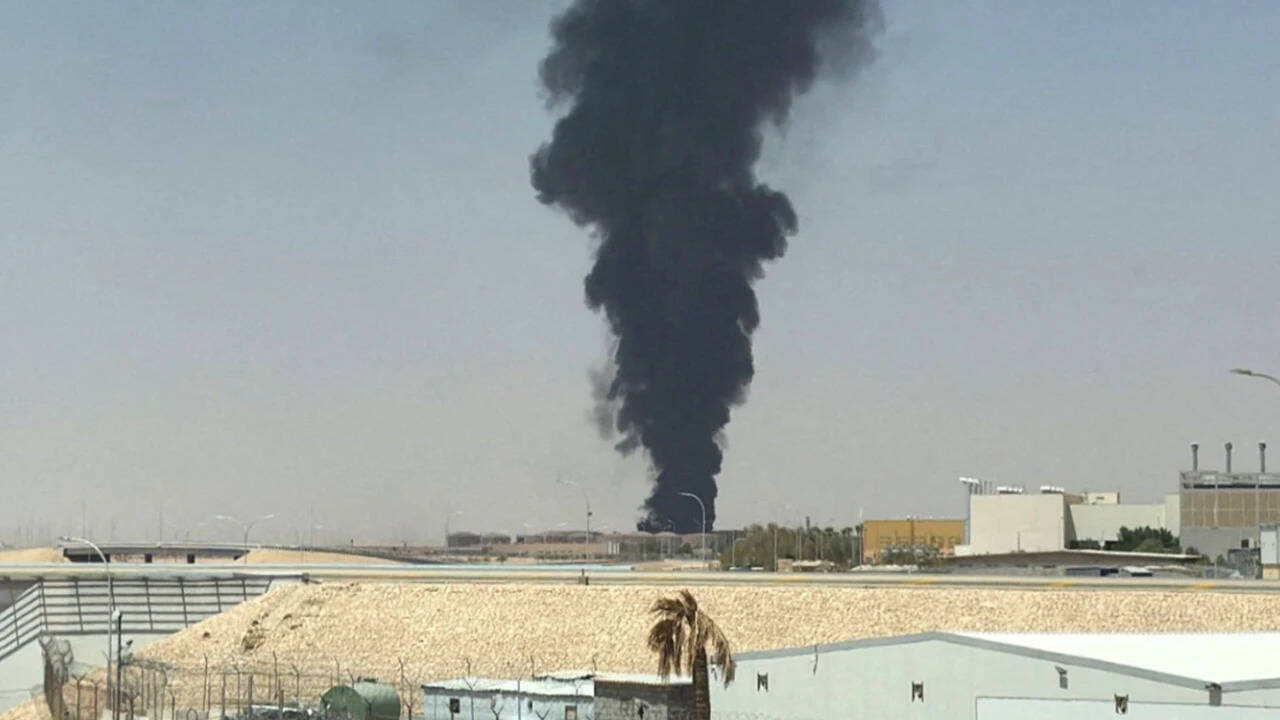
Every time a highway carrier wraps around a heavy transport, the media rolls out the same tired script. We hear about driver fatigue, speed limits, and the urgent need for stricter roadside checks. It is lazy, comforting boilerplate. It lets every stakeholder off the hook by pinning a systemic engineering failure onto a single guy behind a wheel who can no longer defend himself. The Manisa tour bus crash that left at least eleven dead and twenty-seven injured in a truck collision is not a tragic anomaly caused by bad luck or a sleepy operator. It is the predictable mathematical outcome of a fractured transit infrastructure where intercity routes operate as high-stakes physics experiments with human lives.
When you look at the standard reporting following the Manisa disaster, the lazy consensus immediately forms around human error. Officials nod solemnly, talk about mandatory rest hours, and promise more speed cameras. This is a comforting illusion. It assumes that if we just scold drivers hard enough, physics will somehow negotiate a truce with poor road design and unseparated commercial corridors.
I have spent years analyzing transit corridors and intercity passenger logistics across high-density regions. I have seen municipal planners blow millions on cosmetic highway paint while leaving critical merge zones pitch-black and geometrically hostile. We do not have a driver crisis. We have an infrastructure architecture that treats passenger safety as an afterthought behind freight velocity.
The Geography of a Collision
Let us look at the actual mechanics of how these routes are laid out. Intercity touring vehicles in regions like Manisa share arterial corridors with heavy freight haulers moving industrial output toward port cities. These are rarely divided highways with proper deceleration buffers. Instead, they are high-speed single-carriage or poorly rated dual-carriage roads where a passenger coach carrying fifty tourists runs bumper-to-bumper with twenty-ton semi-trucks operating under brutal delivery deadlines.
The speed differential alone makes catastrophe a matter of when, not if. A modern tour bus weighs roughly fifteen tons empty and can scale past twenty tons fully loaded with passengers and luggage. When you couple that mass with a highway geometry featuring blind crests, inadequate lighting, and poorly managed slip roads, you create a death trap.
Blaming the driver ignores the velocity trap built into the timetable. Tour operators face punishing economic pressures. Fuel costs are high, margins are thin, and booking platforms squeeze ticket prices down to the euro. To stay profitable, operators push tighter turnaround schedules. The driver is caught in a structural vise: drive fast enough to meet the corporate schedule or lose your route. When a truck pulls out onto a poorly sighted rural stretch, the kinetic energy involved leaves zero margin for human reaction times. Telling that driver to pay attention is like telling a skydiver to concentrate harder on the way down after you forgot to pack the parachute.
Dismantling the Rest Hour Myth
The standard regulatory response to any highway disaster is to demand stricter enforcement of tachographs and mandatory rest periods. While fatigue is real, treating it as the root cause of these collisions is intellectually lazy.
A well-rested driver cannot defy the laws of momentum. If you place a heavy transport moving at eighty kilometers per hour on a poorly designed intersection with an oncoming passenger coach, no amount of sleep will prevent a geometric inevitability. The obsession with driver compliance allows ministries of transportation to avoid spending capital on actual infrastructure fixes. Upgrading a two-lane death corridor into a proper multi-lane divided motorway costs real money. Threatening drivers with heavier fines costs nothing. Guess which option governments choose every single time.
The data from commercial fleet tracking shows a dirty little secret: the vast majority of fatal collisions involving tour coaches happen not because drivers fall asleep at midnight, but because the road layout forces an impossible choice in broad daylight. A sudden lane merge, an unlit stationary vehicle on a blind curve, or a freight truck executing an illegal u-turn on an arterial road requires split-second evasive geometry that a heavy bus simply cannot execute.
The Economics of Cheap Transit
We get the transit safety we are willing to pay for. Consumers want high-speed intercity travel for the price of a cheap meal. That economic reality forces operators to cut corners on maintenance, tire quality, and auxiliary safety systems like autonomous emergency braking and electronic stability control.
Many coaches operating on regional lines are past their prime operating window, retained in service because replacing a fleet requires capital that regional carriers simply do not generate under current pricing models. When a tire blows out at highway speeds or a brake line fails under heavy load, the subsequent collision with a truck is classified as a driver misjudgment. In reality, it is a structural failure of capital allocation.
If we want to stop reading about eleven dead passengers on rural highways, we have to stop accepting the institutional narrative that human error is the prime mover of these tragedies. We need to redesign the corridors where freight and passenger transit intersect. We need dedicated passenger lanes separated by concrete barriers from heavy industrial transport. We need real-time telemetry mandates that flag dangerous roadway geometries before blood is spilled, rather than after.
Until we stop treating intercity bus transit as the budget option that requires zero infrastructure investment, we are simply waiting for the next Manisa. Stop blaming the man behind the wheel for driving on a road designed for disaster.