The fluorescent lights of the corridor hummed a low, synthetic drone that seemed to strip the color from everything they touched. At three in the morning, a hospital isn't a place of dramatic rescues; it is a waiting room of exhaustion.
Dr. Aris Vance knew that hum intimately. He knew the precise pitch it hit when the backup generators stuttered, and he knew the exact shade of grey it painted onto the faces of nurses who had been on their feet for twelve hours straight. Aris was a healer by training, an immigrant by birth, and a bureaucratic ghost by legal definition.
In his pocket sat a crumpled piece of paper—an official notification reminding him that his temporary visa status was a ticking clock. Every patient he treated, every midnight code he ran, every life he pulled back from the precipice of the abyss was performed under the quiet, suffocating weight of an expiration date.
Multiply Aris by thousands. Picture a vast, invisible network of hands holding together the fragile architecture of American healthcare—hands that might be legally required to pack their bags tomorrow.
The Arithmetic of Absence
We talk about healthcare shortages in the abstract. We draw bar charts on whiteboards, project percentages onto corporate slide decks, and debate policy in carpeted rooms where the air conditioning never fails. But a shortage is not
The Broken Stethoscope And The Lawmaker Who Chased Ghosts Out Of The Hospital
health, news
The fluorescent lights of the emergency department at 3:00 AM do not hum; they buzz with a steady, low-frequency terror.
Dr. Elena Vance knows that sound intimately. She has worked twelve hours straight in a municipal hospital where the air smells of rubbing alcohol, old linoleum, and quiet desperation. Her pager hangs from her pocket like an anchor. In her native country, she was a surgeon who mended broken hearts with hands that rarely shook. Here, in the United States, she is a resident navigating a bureaucratic labyrinth designed to test human endurance to its absolute breaking point.
She is not alone. Across America, thousands of foreign-born physicians and international medical graduates carry the weight of a healthcare system teetering on the edge of a cliff. They wear scrubs bought with their own money, translate complex medical histories for terrified families, and study for board exams while their feet throb against the tile.
Yet, for decades, the system that desperately needed them treated them like ghosts.
Consider the physics of a bottleneck. When water flows through a narrow pipe, pressure builds. When the pipe is too narrow, the pipe bursts. American healthcare is bursting. By current projections, the nation faces a deficit of tens of thousands of physicians over the next decade. Burnout is no longer a buzzword; it is a chronic condition afflicting the staff who remain. Nurses work double shifts until their vision blurs. Doctors look at electronic health records more than they look into the eyes of their patients.
And standing right outside the door, willing, qualified, and desperate to help, are thousands of immigrant doctors and nurses trapped in administrative limbo.
Visa backlogs stretch for years. Green card caps treat human talent like perishable goods trapped at customs. A brilliant cardiologist from Mumbai or a seasoned nurse from Manila can find themselves sidelined, working clerical jobs or driving rideshare cars because a piece of paper has not cleared a desk in Washington.
It is an absurd paradox. We have a drought while standing in the rain.
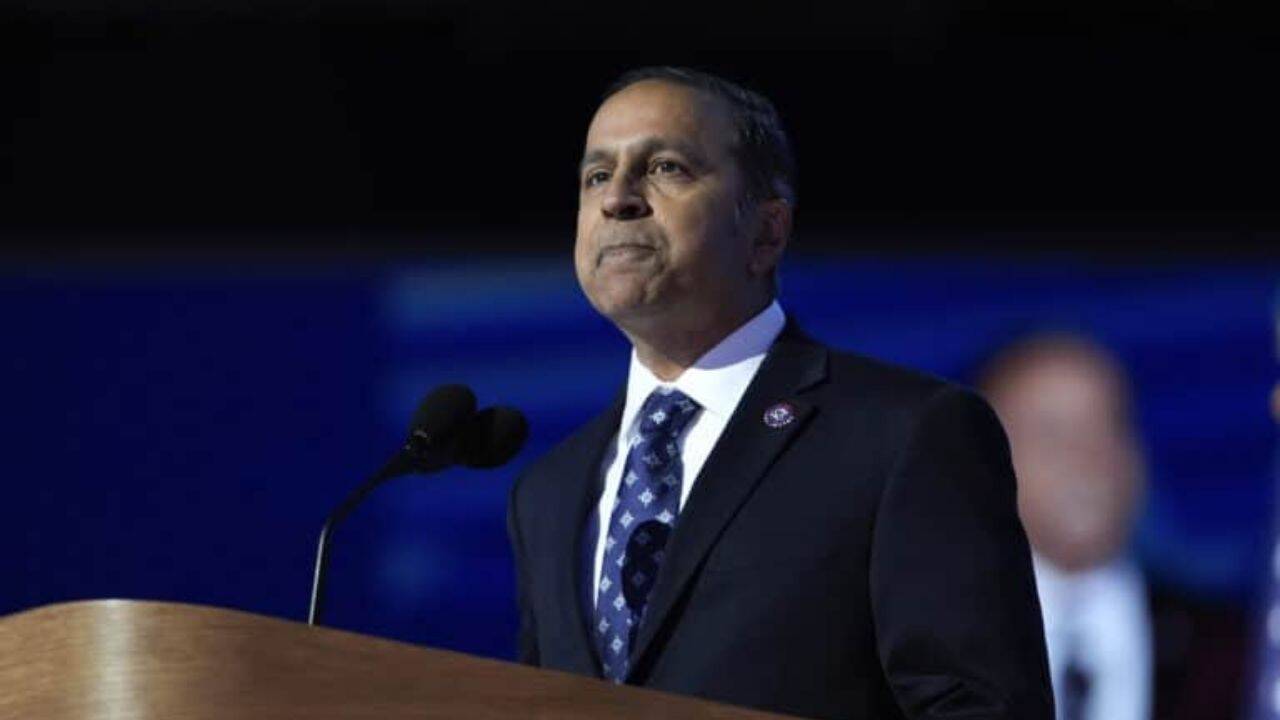
Into this gridlock stepped Congressman Raja Krishnamoorthi, an Indian-origin US lawmaker who looked at the administrative hurdles and decided to force a door open. His legislative push introduced a series of bills designed to address the catastrophic nursing and physician shortages by easing the immigration burdens facing healthcare professionals already living and working in the United States.
To understand why this matters, you have to look past the dry text of federal bills and stare down the barrel of a Tuesday night shift in an understaffed ward.
When a nurse has forty patients instead of twenty, mistakes happen not because people are careless, but because humans are finite. When an emergency room has three doctors instead of six, wait times stretch from hours to agonizing days. Every delay has a human cost. A missed diagnosis. A delayed treatment. A worn-out caregiver who finally drops their clipboard and walks away from medicine forever.
Krishnamoorthi’s legislative strategy targets the structural friction. By recapturing unused immigrant visas and smoothing the path for international medical graduates to transition into practice without facing absurd multi-year delays, the framework attempts to align policy with reality. It acknowledges a fundamental truth: healing knows no borders, and neither does illness.
Critics often look at immigration through the narrow lens of numbers, treating people as entries on a ledger. But numbers do not bleed, and spreadsheets do not comfort a frightened mother whose child is running a spiking fever.
Elena remembers the day she received her first provisional license to practice in a rural clinic. It was not a celebration of triumph; it was a quiet exhale. She had spent four years jumping through hoops, paying exorbitant fees, and waiting for letters that arrived months late. During those years of waiting, she watched colleagues give up. She watched brilliant minds retreat to other countries or different industries entirely, lost to a system that valued red tape over patient care.
This is the invisible stakes of immigration reform. It is not just about filling jobs. It is about restoring dignity to people who came here to heal.
When lawmakers introduce measures to clear the backlog for healthcare professionals, they are throwing a lifeline to a drowning infrastructure. They are recognizing that the people holding our hospitals together are often the ones fighting hardest just to stay in the country legally.
The legislative path is never simple. Bills stall. Amendments are tacked on. Partisan crosswinds threaten to blow even the most sensible proposals off course. Politics is a messy, grinding business of compromise and friction.
Yet, every time a bill like this moves forward, a tiny crack appears in the wall.
Imagine the difference between a hospital that turns away talent and one that welcomes it. Imagine an emergency room where the staff is whole, where the shifts are manageable, and where a doctor who trained halfway across the world can finally step up to a bed and say, "I've got you."
That is what is at stake. Not just employment statistics or economic models. The heartbeat of the clinic. The steady rhythm of recovery.
Elena walks down the hallway at dawn, the fluorescent hum finally fading as the morning sun cuts through the glass doors. Her feet hurt, her eyes are heavy, but the pager remains silent for the moment. Somewhere in Washington, a vote is being scheduled, a debate is being waged, and a pen is hovering over paper. She doesn't follow politics like a spectator watching a game. She watches it like a sailor watching the horizon for a break in the storm.
The storm is still out there. But for the first time in a long time, the wind feels like it might finally be shifting.