When intelligence warnings sit on a desk while hundreds of people die, someone has to take the fall. Sri Lanka just crossed a massive legal and political line. A special court sentenced former police chief Pujith Jayasundara and former defense ministry secretary Hemasiri Fernando to death.
Think about that for a second. The highest-ranking law enforcement official in modern Sri Lankan history got a death sentence for doing nothing.
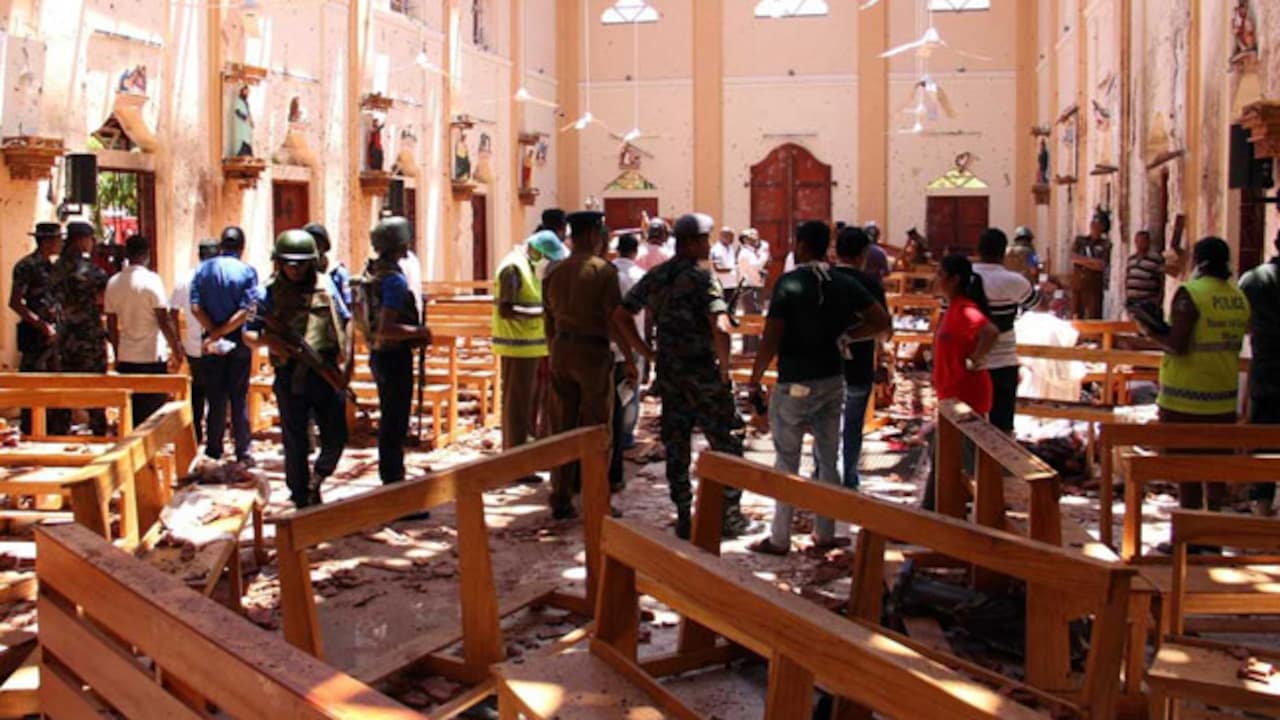
The 2019 Easter Sunday bombings tore through three churches and three luxury hotels, killing 279 people and injuring over 500 others. Foreign nationals were among the dead. Families were shattered. A nation froze in absolute horror. Years later, accountability has finally arrived, even if it looks complicated and messy.
The Intelligence Failure That Started It All
You cannot understand this ruling without looking at the timeline of gross incompetence. On April 4, 2019, foreign intelligence—specifically from India—warned Sri Lankan authorities that local Islamist extremists were planning suicide attacks.
The warnings were specific. They were actionable. They sat there anyway.
Jayasundara and Fernando had the power to lock down venues, boost security, and arrest suspects. They failed. The three-judge bench at the Permanent Trial-at-Bar ruled that this wasn't just simple oversight. It was criminal negligence, dereliction of duty, and active failure that directly led to murder. Two judges voted to convict, while one dissented, proving how fiercely contested this case has been from day one.
From Acquittal to a Shock Reversal
Most people thought this case was dead and buried. Back in 2022, a High Court bench completely acquitted both men, tossing out all charges. Survivors felt betrayed. Public outcry was deafening.
The Attorney General refused to let it go. The case clawed its way back through the Supreme Court, ordering a full rehearing that kicked off earlier this year. President Anura Kumara Dissanayake came to power promising systemic accountability. This verdict is the direct result of that political shift.
It proves that political protection has an expiration date. You can dodge justice for years, but public pressure and legal persistence will eventually catch up.
Will They Actually Face Execution
Here is where the reality of Sri Lanka's legal system kicks in. Sri Lanka still has capital punishment on the books, but it maintains a strict, unofficial moratorium on executions that has held firm since 1976.
A death sentence here almost always means life imprisonment. Jayasundara, who is 66, and Fernando, who is 76, will likely spend their remaining years behind bars rather than facing a gallows. They still have the right to appeal to the Supreme Court. This legal battle isn't completely finished yet.
The Broader Conspiracy Questions Remain
The Catholic Church in Sri Lanka has argued for years that these two men are scapegoats for a much larger, darker conspiracy. The local bombers who blew themselves up are dead. Yet, critics and religious leaders maintain that the intellectual masterminds pulling the strings have never seen the inside of a courtroom.
Convicting a police chief for negligence is a monumental step. It sets a dangerous precedent for leaders who ignore security briefs. But for the victims looking for absolute closure, the shadow of unanswered questions still looms large over Colombo.