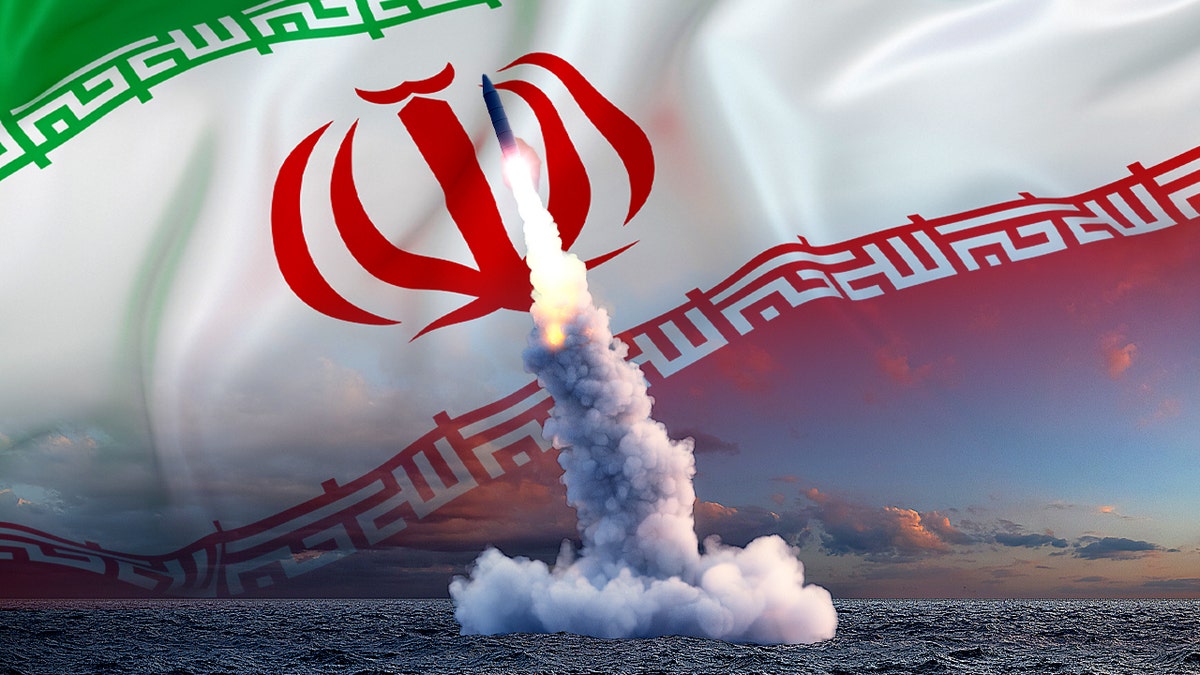
The obsession with a "sprint" to a nuclear weapon is the security equivalent of staring at a stopwatch while the stadium burns down. Marco Rubio and the Washington establishment have spent decades fixated on a singular, cinematic metric: breakout time. They want a deal that "definitively prevents" a sudden dash to a bomb. It sounds logical. It sounds tough.
It is also fundamentally detached from how modern proliferation actually works.
Focusing on the sprint ignores the marathon. While politicians posture about enrichment percentages and centrifuge counts, they miss the reality that a nuclear program is no longer a discrete event you can "stop" with a signature. It is a distributed, intellectual, and industrial capability that has already permeated the Iranian state. You cannot negotiate away physics, and you certainly cannot "definitively prevent" a sovereign nation from achieving what it already knows how to do.
The Myth of the Breakout Clock
The "breakout time" narrative—the idea that Iran is X months away from a weapon—is a convenient fiction used to sell domestic policy. It treats nuclearization like a 100-meter dash. In this fantasy, Iran wakes up one morning, decides to go for it, and then it’s a race between their scientists and our bombers.
Real life is messier. Proliferation is a slow, methodical accumulation of dual-use knowledge and "latent" capability. I have watched analysts obsess over the $U^{235}$ enrichment levels at Natanz while ignoring the far more critical developments in ballistic missile accuracy and high-explosive lens testing.
Even if you roll back the enrichment to zero, you haven't solved the problem. You’ve just hidden it. The knowledge of how to build a centrifuge doesn't evaporate because a diplomat signed a piece of vellum. The "sprint" is a distraction from the fact that Iran has already achieved a permanent "hedging" status. They are a threshold state. They will remain a threshold state. Any deal that pretends otherwise is selling you a bridge in the desert.
The Verification Trap
Rubio and his peers demand "anywhere, anytime" inspections. This is the "lazy consensus" of the hawk: the belief that if we just look hard enough, we can find the "smoking gun."
This assumes the gun is in a room we know about.
Modern nuclear programs don't require massive, sprawling complexes like Oak Ridge during the Manhattan Project. With advanced carbon-fiber rotors and clandestine procurement networks, enrichment can be decentralized. The more we squeeze the known sites, the more we incentivize the development of unknown, hardened, and deeply buried facilities.
The hard truth is that intelligence is never 100%. We missed the Syrian reactor at Al-Kibar until it was nearly finished. We misread Iraq. To claim a deal can "definitively prevent" a sprint is to claim total omniscience over a territory larger than Alaska. It is an arrogant premise that sets us up for a catastrophic intelligence failure.
Stop Asking if Iran Can Build a Bomb
Start asking why they would.
The standard hawk argument treats the Iranian leadership as a group of irrational actors eager to hit the "reset" button on their own civilization. This is a fundamental misunderstanding of the regime's survival instinct. For the IRGC and the clerical elite, the potential for a bomb is far more valuable than the bomb itself.
- Deterrence without Sanctions: A latent capability provides a security umbrella without the North Korea-style isolation that follows an actual test.
- Negotiating Leverage: The threat of the "sprint" is the only thing keeping the West at the table.
- Regional Hegemony: You don't need to detonate a device to project power in the Persian Gulf; you just need your neighbors to believe you could.
By fixating on the "sprint," we play directly into Tehran's hands. We validate their primary source of leverage. We tell them that their enrichment program is the only thing we care about, which allows them to trade temporary, reversible technical concessions for permanent economic and regional gains.
The Physics of Failure
Let's look at the math. To achieve a "definitive" prevention, you would need to dismantle the following:
- The human capital (the scientists).
- The digital blueprints (the data).
- The domestic supply chain for maraging steel and specialized resins.
- The missile delivery systems.
You cannot "dismantle" a scientist's brain. You cannot "dismantle" a CAD file stored on a secure server in a mountain bunker. The $E=mc^2$ genie left the bottle in 1945, and it’s not going back in because a Senator from Florida gave a spirited speech.
When Rubio demands a deal that stops a sprint, he is demanding the impossible. He is setting a bar that can never be cleared, which is likely the point. It’s a policy of "no" disguised as a policy of "better."
The High Cost of the "Perfect" Deal
The pursuit of the perfect, definitive deal has a massive downside: it prevents the "good enough" deal that actually reduces risk.
By demanding a total surrender of Iran's nuclear infrastructure, we ensure that no agreement is ever reached. This leaves us with two options: a permanent, escalating cycle of sanctions that have historically failed to stop enrichment, or a full-scale kinetic conflict.
If you think a "sprint" is dangerous, imagine the chaos of a regional war in a world where global energy markets are already brittle. A strike on Iranian facilities might set them back two or three years, but it would provide the ultimate justification for them to actually build the weapon—and this time, they’d do it in a way we couldn't see.
The New Doctrine: Management, Not Prevention
We need to stop using the word "prevent." It is a lie. We should be talking about "management" and "containment."
The goal shouldn't be to stop the clock; it should be to change the environment in which the clock sits. This means moving beyond enrichment counts and looking at the broader regional architecture. It means recognizing that Iran’s nuclear program is a symptom of a larger security dilemma, not a standalone technical glitch.
Unconventional advice? Stop focusing on the centrifuges. Focus on the missile guidance systems. Focus on the regional proxies. Focus on the internal economic pressures that actually drive regime behavior. A nation with 20% enriched uranium and a failing economy is a manageable problem. A nation with 90% enriched uranium and a "nothing to lose" mentality is a nightmare.
The Credibility Gap
I've seen the classified briefings and the public posturing. There is a massive gap between what the intelligence community knows and what politicians say. The intelligence community knows that Iran has the "know-how." The politicians tell the public we can take that "know-how" away.
This dishonesty erodes our own credibility. When we set impossible goals, we look weak when we inevitably fail to meet them. We have spent twenty years telling the world that an Iranian bomb is an "existential threat" that must be stopped "at all costs," yet here we are, and Iran is closer to the threshold than ever.
The Rubio approach isn't a strategy; it's a script for a play that has been running for too long. The audience is bored, and the actors are exhausted.
Stop looking at the stopwatch. The race isn't a sprint. It isn't even a marathon. It's a permanent state of tension that requires cold-blooded realism, not hot-headed rhetoric. The "definitive prevention" of a nuclear Iran is a ghost—a phantom goal that prevents us from dealing with the reality of the country we actually face.
Accept the threshold. Manage the risk. Abandon the fantasy.