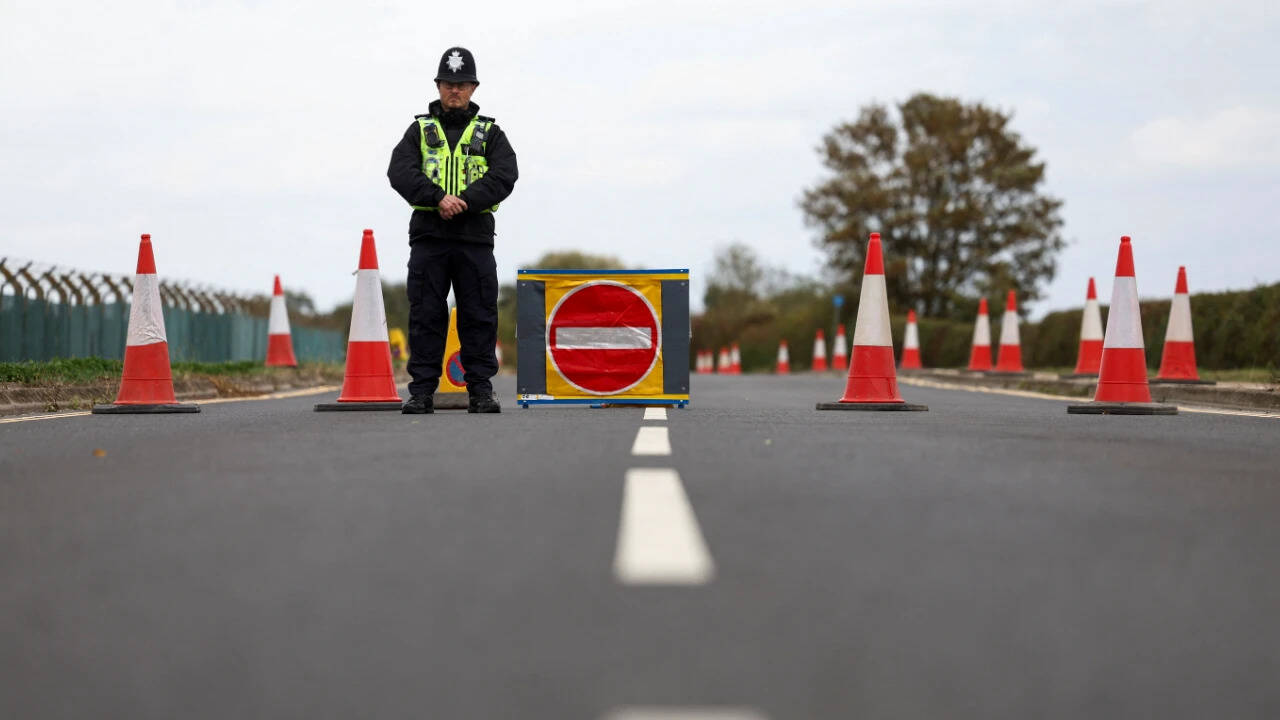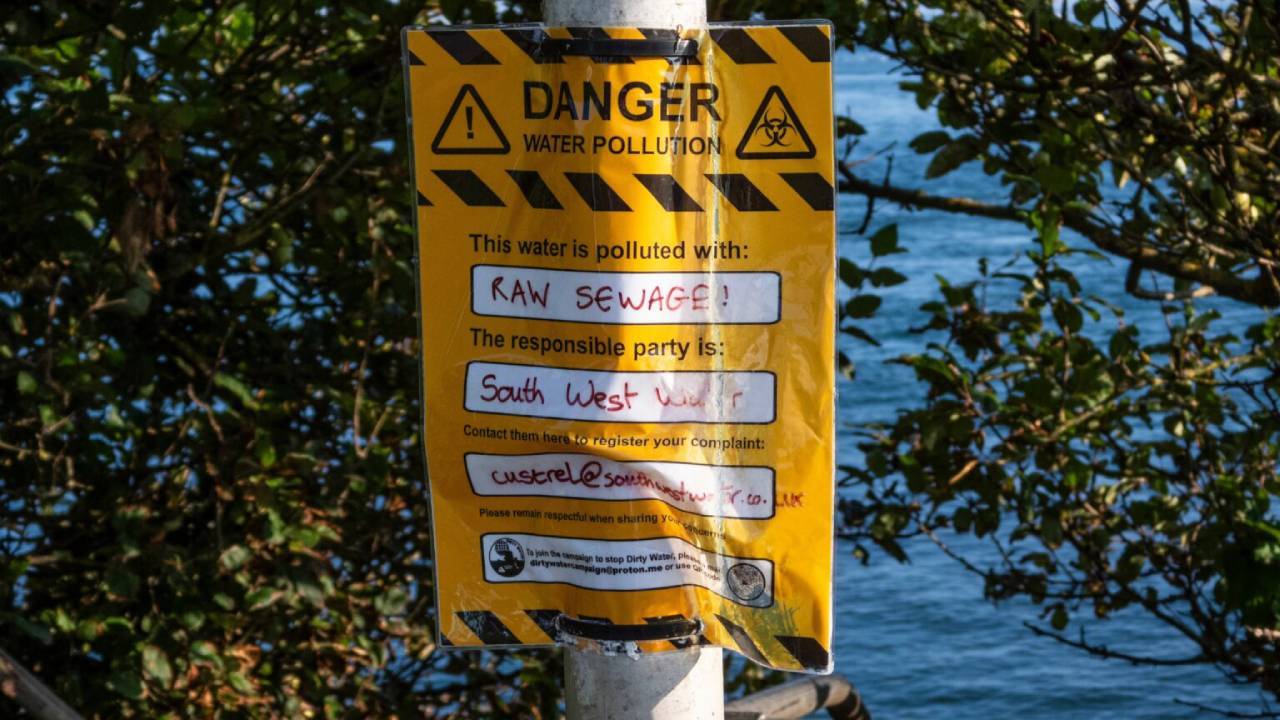
You walk down to your local beach in Devon or Cornwall on a bank holiday weekend, expecting fresh sea air and clear water. Instead, you're greeted by a warning sign or worse, raw sewage washing up against the shore. It's a grim reality that has become far too common for residents and visitors across the UK's southwest coast.
South West Water was recently handed a massive £7.8 million penalty for hundreds of illegal sewage spills. District Judge Joanna Matson didn't mince words, labeling the company's conduct as reckless management failures that simply cannot be tolerated. But if you live down here, you have to ask yourself a hard question: do multi-million pound fines actually change corporate behavior, or are they just a routine cost of doing business?
The Scale of the Recklessness
The numbers behind the court case are staggering. We aren't talking about a single accidental leak or a freak weather occurrence. This case covered 18 separate criminal charges spanning years of systemic neglect.
Take Harlyn Bay in Cornwall, for instance. Untreated sewage was pumped directly onto the beach on 231 separate occasions. Near Bodmin, illegal spills happened more than 336 times into the River Camel. Over in Polperro, raw sewage literally gushed through the harbour wall during a busy holiday weekend. Even when alarms sounded at pumping stations, response times were painfully slow. At Hooe Lake, a pump failure led to an uninterrupted 88-hour discharge while operators dragged their feet.
The court found that executives knew about crumbling infrastructure—like a precarious pipe at Budshead Creek that eventually collapsed—yet they sat on their hands for years rather than investing in timely fixes.
Why Fines Feel Like a Slap on the Wrist
When headlines flash with numbers like £7.8 million, it sounds like justice is being served. Yet local campaigners and fed-up residents aren't celebrating.
Water bills across the region have climbed aggressively, pushing past an average of £740 a year, leaving customers footing steep prices while natural habitats take a beating. When a utility company pleads guilty to nearly two dozen environmental offenses, it signals that breaking the law has been baked into the operational model. Paying a fine every few years is cheaper than completely overhauling an antiquated Victorian pipe network.
South West Water offered the standard corporate apology, claiming they regret past actions and are focused on future investments to clean up rivers and seas. But apologies ring hollow when customer complaints spike by triple digits and local surfers are routinely getting sick from contaminated water.
What Actually Needs to Happen Next
Throwing hefty fines at a corporate balance sheet clearly isn't fixing the root rot in the system. Real accountability requires structural changes that hit where it hurts.
Regulators need to look past financial penalties and start holding corporate leadership personally accountable for criminal negligence. When executives face direct legal consequences—or when public control becomes a genuine alternative—companies will stop viewing environmental destruction as an acceptable byproduct of profit margins. Until then, those pristine beaches in Devon and Cornwall remain vulnerable to the next corporate shortcut.