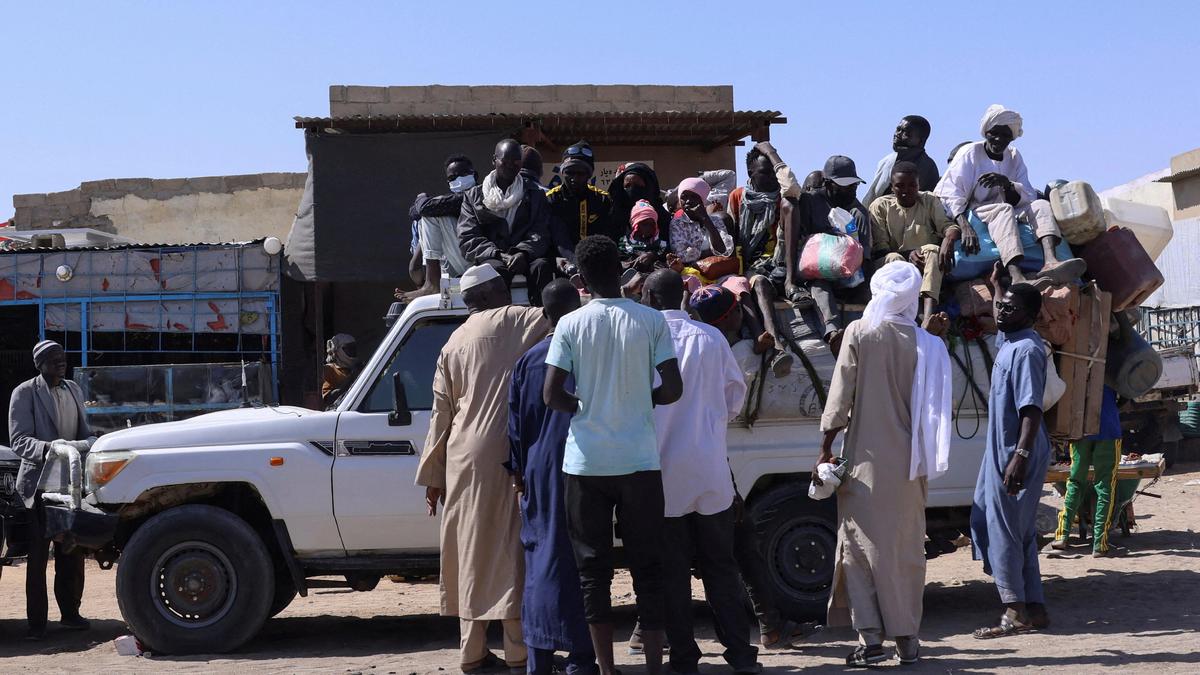
The numbers coming out of the border regions between South Sudan and Ethiopia aren't just statistics. They represent a massive, coordinated movement of human beings pushed to the absolute edge by a military offensive that shows no signs of slowing down. UNICEF recently flagged that roughly 100,000 people have crossed into Ethiopia, fleeing a surge of violence in South Sudan. This isn't a trickle. It’s a flood. If you've been following the shifting power dynamics in East Africa, you know this specific migration route is one of the most volatile corridors on the planet.
Most news reports give you the "what" but completely skip the "why" or the "what now." You're seeing headlines about "displacement," but that word feels too clinical for the reality on the ground. People are walking for days through some of the harshest terrain in the Rift Valley, often with nothing but the clothes on their backs. They aren't just moving because they want a better life. They’re moving because staying means death.
The Reality of the South Sudan Offensive
South Sudan has been trapped in a cycle of conflict for years, but the recent escalation has caught even seasoned analysts off guard. The offensive, which triggered this latest wave of 100,000 refugees, is rooted in deep-seated political rivalries and ethnic tensions that the 2018 peace deal never fully resolved. When the fighting flares up in the Greater Upper Nile region, the impact ripples outward instantly.
UNICEF’s reports highlight a terrifying trend: the majority of those fleeing are women and children. This matters because it indicates that the social fabric of these communities is being shredded. Men are often stayed behind, either to fight, protect property, or because they didn't survive the initial push.
The geography here is a nightmare for aid workers. The Gambella region in Ethiopia, where most of these refugees arrive, is remote and lacks the infrastructure to handle a sudden six-figure population spike. It’s a bush-heavy, often flooded area where roads turn to soup during the rainy season. When you dump 100,000 traumatized people into that environment, you don't just have a refugee crisis. You have a looming health catastrophe.
Why Ethiopia Is Struggling to Cope
Ethiopia has a long history of hosting refugees, but the timing of this South Sudan influx couldn't be worse. The Ethiopian government is already juggling its own internal security issues and a fragile economy. Adding another 100,000 mouths to feed puts an impossible strain on local resources in Gambella.
It’s not just about food and water. It's about security. The border between South Sudan and Ethiopia is porous. Conflict in South Sudan has a nasty habit of spilling over, with armed groups crossing the border and bringing their grudges with them. This creates a "security contagion" where the violence follows the refugees, making the camps themselves targets or hubs for further instability.
The UNICEF Warning Signs
UNICEF isn't known for hyperbole. When they sound the alarm, it’s because the data on child malnutrition and disease is spiking. In the camps and transit centers, the lack of clean water is the biggest killer. We aren't just talking about thirst. We're talking about cholera, hepatitis, and chronic diarrhea that can wipe out a malnourished child in forty-eight hours.
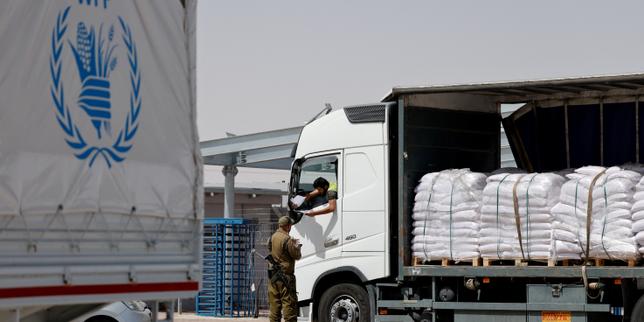
The agency has pointed out that the funding for this specific crisis is nowhere near where it needs to be. Global attention is currently fractured. With major conflicts in Europe and the Middle East dominating the news cycle, the "forgotten war" in South Sudan is slipping through the cracks. This lack of eyeballs translates directly to a lack of dollars, leaving aid workers on the ground to make impossible choices about who gets help and who waits.
The Human Cost Beyond the Numbers
Think about what it takes to make 100,000 people leave their homes simultaneously. You don't do that because of a rumor. You do it because you saw your neighbor's house burn or because the local market was looted.
I’ve seen how these stories play out. A mother in a camp in Gambella isn't thinking about "geopolitical stability." She’s thinking about how to keep her toddler dry during a tropical downpour and where the next bowl of sorghum is coming from. The psychological toll is immense. These children are growing up in a world where "home" is a plastic tarp and "safety" is a relative term that changes by the hour.
What Needs to Change Immediately
The international community loves to talk about "long-term solutions" and "sustainable peace," but those are hollow words when people are starving today. The immediate priority has to be the stabilization of the Gambella transit sites.
First, the logistical bottlenecks need to be cleared. We need heavy-lift capability to get supplies into these remote areas before the rains make the roads completely impassable. Second, there has to be a renewed diplomatic push on the South Sudanese leadership. The current offensive isn't happening in a vacuum; it’s a choice made by political actors who feel there are no consequences for displacing their own citizens.
Immediate Action Items for Global Observers
If you're looking at this and wondering what actually moves the needle, it isn't "awareness." It's targeted pressure.
- Fund the Frontline: Direct support to UNICEF and Médecins Sans Frontières (MSF) is the only way to ensure medical supplies reach the border. They are the ones actually setting up the clinics.
- Pressure for a Ceasefire: The South Sudanese government and opposition forces need to feel that international support—and more importantly, international funding—is contingent on the cessation of hostilities in the Greater Upper Nile.
- Support Ethiopia's Local Infrastructure: Instead of just building temporary camps, investment should go into the permanent health and water systems of the Gambella region. This helps the refugees and the local Ethiopians who are bearing the brunt of this crisis.
The situation is grim, but it isn't hopeless. However, we have to stop treating these waves of displacement as "unforeseen disasters." They are the predictable results of political failure. Ignoring the 100,000 people sitting on the Ethiopian border today only guarantees we'll be talking about 200,000 by the end of the year.
Check the updates from the UN High Commissioner for Refugees (UNHCR) and UNICEF daily. The window to prevent a massive spike in child mortality is closing as the rainy season approaches.