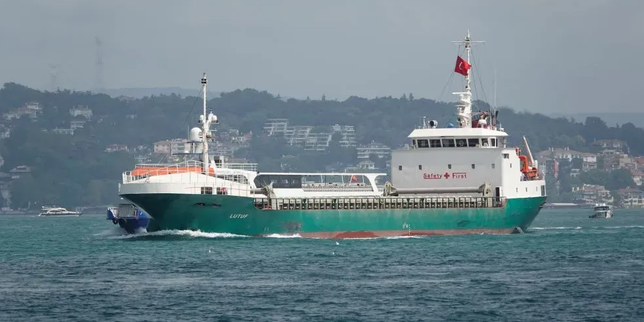
The recent hijacking of the M/V LUTUF off the coast of Puntland has sent shockwaves through regional security circles. It isn’t just another routine piracy incident. This vessel was carrying a sensitive cargo of Turkish weapons and sophisticated communications equipment bound for a military training facility in Mogadishu. When pirates decide to intercept a ship loaded with military hardware, the entire dynamics of maritime risk in the Horn of Africa shift overnight.
The Anatomy of the Hijacking
Reports from Somali officials indicate the vessel was seized on Monday, roughly 3.5 nautical miles off Marraya in the Eyl district. Owned by Polar Movement Shipping, the Cameroon-flagged cargo ship carried a diverse 10-member crew: six Indian nationals, one Turkish national, one Georgian, and two Serbian security guards.
The attackers, believed to be an eight-person cell, are allegedly linked to a group that previously hijacked the M/V Sward back in April. This isn’t just opportunistic looting. It suggests a level of planning and intelligence-gathering that should alarm shipping companies operating in these waters.
A High-Stakes Aftermath
What happened next proves this situation was far from a standard hostage scenario. Turkish-owned vessels reportedly approached the hijacked ship, while Turkish helicopters and drones began monitoring the area from above.
Things escalated quickly on Tuesday. A small boat approached the captured vessel to deliver khat, a common stimulant in the region. Shortly after that boat departed, an airstrike hit the vicinity, reportedly killing four men and wounding two others. While the origin of that strike remains unverified by independent sources, it highlights how quickly a piracy incident can spiral into a kinetic military engagement.
Why This Changes the Game
For years, the international focus was on general cargo or oil tankers. Pirates wanted ransoms, plain and simple. Targeting a ship specifically laden with weapons changes the target profile. It introduces a massive security dilemma for international shipping firms.
- Risk of Collateral Damage: When armed cargo is involved, the response from state actors—in this case, Turkey—is significantly more aggressive than usual. This puts the crew, including the six Indian nationals, in extreme danger.
- Escalation of Tactics: The presence of drones and helicopters monitoring the scene suggests that military-grade surveillance is now part of the immediate response package.
- Regional Instability: The fact that this group was allegedly involved in prior hijackings indicates a failure in deterrence.
What This Means for Mariners
If you're involved in maritime logistics or operate vessels in the Gulf of Aden or off the Somali coast, you need to re-evaluate your security posture. The "business as usual" approach for anti-piracy measures is no longer sufficient.
- Intelligence is King: You can’t rely on static route planning. You need real-time data on active pirate cells and their recent behavior.
- Hardened Security: The presence of security guards on the M/V LUTUF didn't prevent the boarding. Invest in hardened citadels and advanced deterrents that go beyond just having armed personnel on deck.
- Communication Protocols: In the event of a hijacking involving sensitive or military cargo, your communication with local naval forces and your home country's embassy needs to be instantaneous.
The situation with the M/V LUTUF remains fluid, and the fate of the crew is still the primary concern for all parties involved. Keep a close watch on official maritime alerts and adjust your insurance and security protocols accordingly. This incident is a harsh reminder that the seas off the Horn of Africa remain one of the most volatile areas on the planet. Don't let your guard down.