The weight of a father is not something a son expects to carry twice.
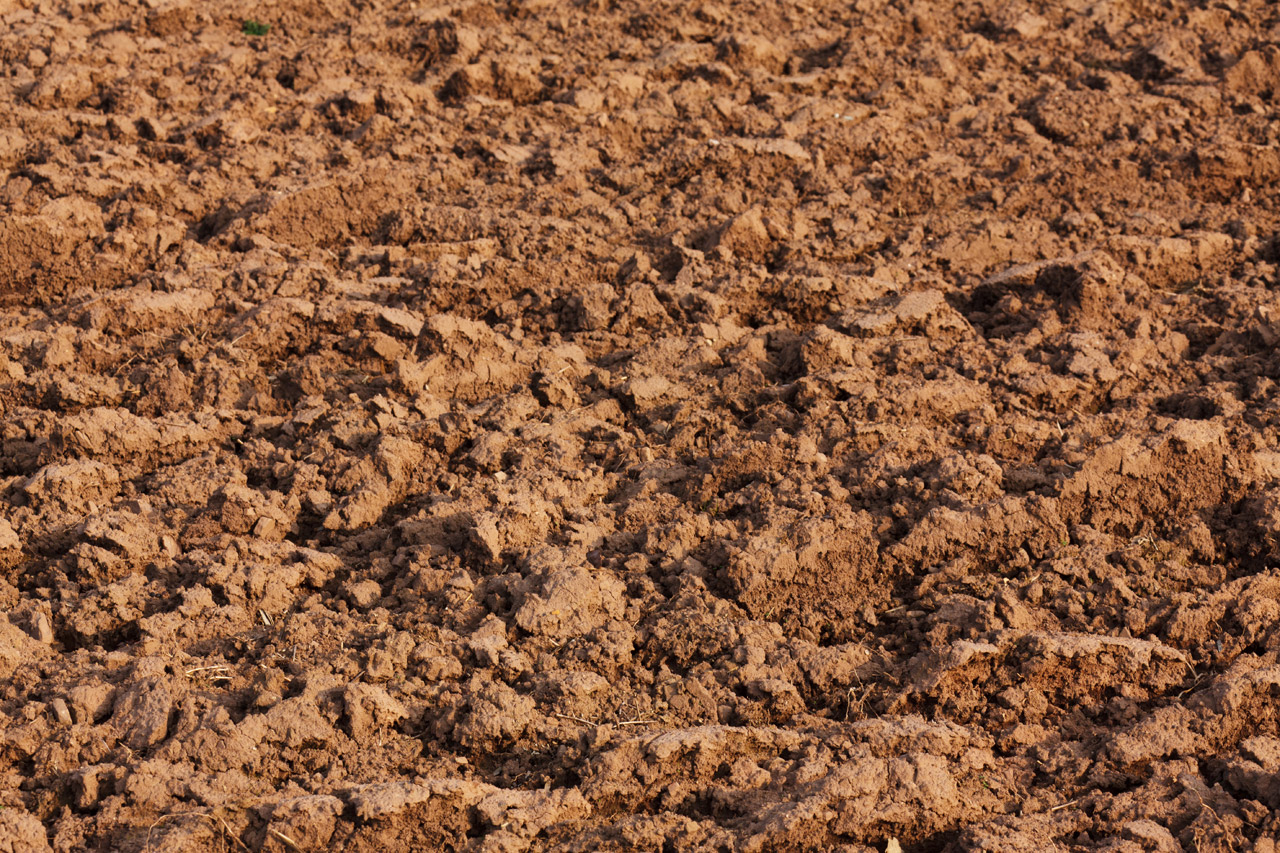
In the village of Burqa, nestled in the rolling hills of the occupied West Bank, the dirt is ancient, red, and stubborn. It clings to the fingernails. It settles into the deep creases of a laborer’s palms. For the Haj Mohammad family, this earth was supposed to be a final resting place, a quiet pact between the living and the dead. Instead, it became a site of a grotesque demand that defies the shared human instinct to let the departed sleep.
Haj Mohammad, a patriarch who had seen decades of shifting borders and hardening hearts, was buried with the dignity his life commanded. His family followed the traditional rites, lowered him into the ground, and began the long, slow process of grieving. But in this specific corner of the world, even the geography of the afterlife is subject to the whims of the neighbor with the louder voice and the stronger backing.
The demand came not from a court or a formal legal decree, but from the encroaching reality of a nearby settlement. Settlers, claiming the land as their own, issued an ultimatum that sounds like something out of a dark, medieval folk tale: dig him up. Move him. He cannot stay here.
The Geography of Grief
Imagine the logistics of a heartbreak. Most of us interact with death through polished ceremonies and granite headstones. We assume that once the soil is turned, the story is settled. But for Palestinians in the shadow of expanding settlements, land is never just dirt. It is a shifting chessboard where even a grave is seen as a strategic move, a claim of permanence that others want to erase.
The settlers argued that the burial took place on land they intended to use. In the legal grey zones of the West Bank, where military law, Ottoman-era land codes, and modern administrative orders collide, the "right" to a plot of land often belongs to whoever has the power to enforce it at three in the morning.
For the sons of Haj Mohammad, the choice was an impossible vice. They could resist and risk a violent confrontation, potentially leading to the desecration of the body by outside hands. Or, they could pick up the shovels themselves. They chose the latter. They chose to protect their father’s remains from the indignity of a forced removal by strangers, even if it meant bearing the trauma of the exhumation themselves.
Shovels in the Dark
There is a specific sound a shovel makes when it hits a casket. It is hollow. Final. It is a sound that should only be heard once in a lifetime.
The brothers worked in a haze of dust and adrenaline. This wasn't a forensic exercise or an archaeological dig. This was their father. They had to navigate the physical reality of decomposition and the spiritual weight of disturbing a soul. Every scoop of earth was a betrayal of the promise they made when they first laid him down.
Consider the psychological toll of this act. In most cultures, the desecration of a grave is a universal taboo, a line that even enemies rarely cross. By forcing a family to exhume their own kin, the act moves beyond a property dispute. It becomes a ritual of humiliation. It sends a message: Not even your dead are safe. Not even your ancestors have a right to this horizon.
The statistics of land seizure often feel sterile. We hear about "hectares" and "zoning permits" and "unauthorized outposts." But these numbers don't capture the smell of damp earth in the middle of the night. They don't reflect the trembling hands of a man trying to lift his father’s shroud without it tearing.
The Invisible Stakes of a Reburial
This wasn't just about one grave in Burqa. It is a microcosm of a much larger, quieter war over memory. When you remove a grave, you remove a physical link to history. You make it easier to say, years later, "No one was ever here."
The settlers who demanded the removal weren't just looking for a garden or a fence line. They were looking for a blank slate. A grave is a stubborn piece of evidence. it is a biological and historical anchor. By forcing the Haj Mohammad family to move their father, the settlement project successfully uprooted a piece of the village’s heritage, making the land "clean" for a new narrative.
The international community often focuses on the "big" events—the rockets, the air strikes, the high-level summits in gilded rooms. But the true nature of the conflict is found in these intimate violations. It is found in the olive groves that are burned and the cemeteries that are treated like temporary storage units.
The family eventually found a new spot for Haj Mohammad. A "safer" spot. But safety is a relative term when the borders of the settlements move like a slow-motion tide. They lowered him into the ground for the second time. The prayers were shorter this time, perhaps because the words felt brittle in their mouths.
The Weight That Remains
We often talk about the "cycle of violence" as if it is an abstract machine. It isn't. It is fueled by moments like these. It is fueled by the sight of a son having to re-wrap his father’s bones because a neighbor decided his presence was an inconvenience.
The trauma of that night in Burqa doesn't end with the filling of the second grave. It lives in the way the children of that family look at the hills. It lives in the realization that in their world, the earth is not a foundation, but a fluid, treacherous thing.
There is a peculiar kind of strength required to live on land that is being erased beneath your feet. It is the strength of the Haj Mohammad family, who now visit a grave that has been moved, tending to a memory that others tried to dig up and throw away.
The soil in Burqa is red and thick. It covers the father once again. But the air above the village remains heavy, charged with the knowledge that for some, even the silence of the dead is too loud to tolerate. The hills are beautiful, the sun sets in a bruised purple over the Mediterranean, and somewhere in the dark, the dirt is still being moved.
One shovel at a time.