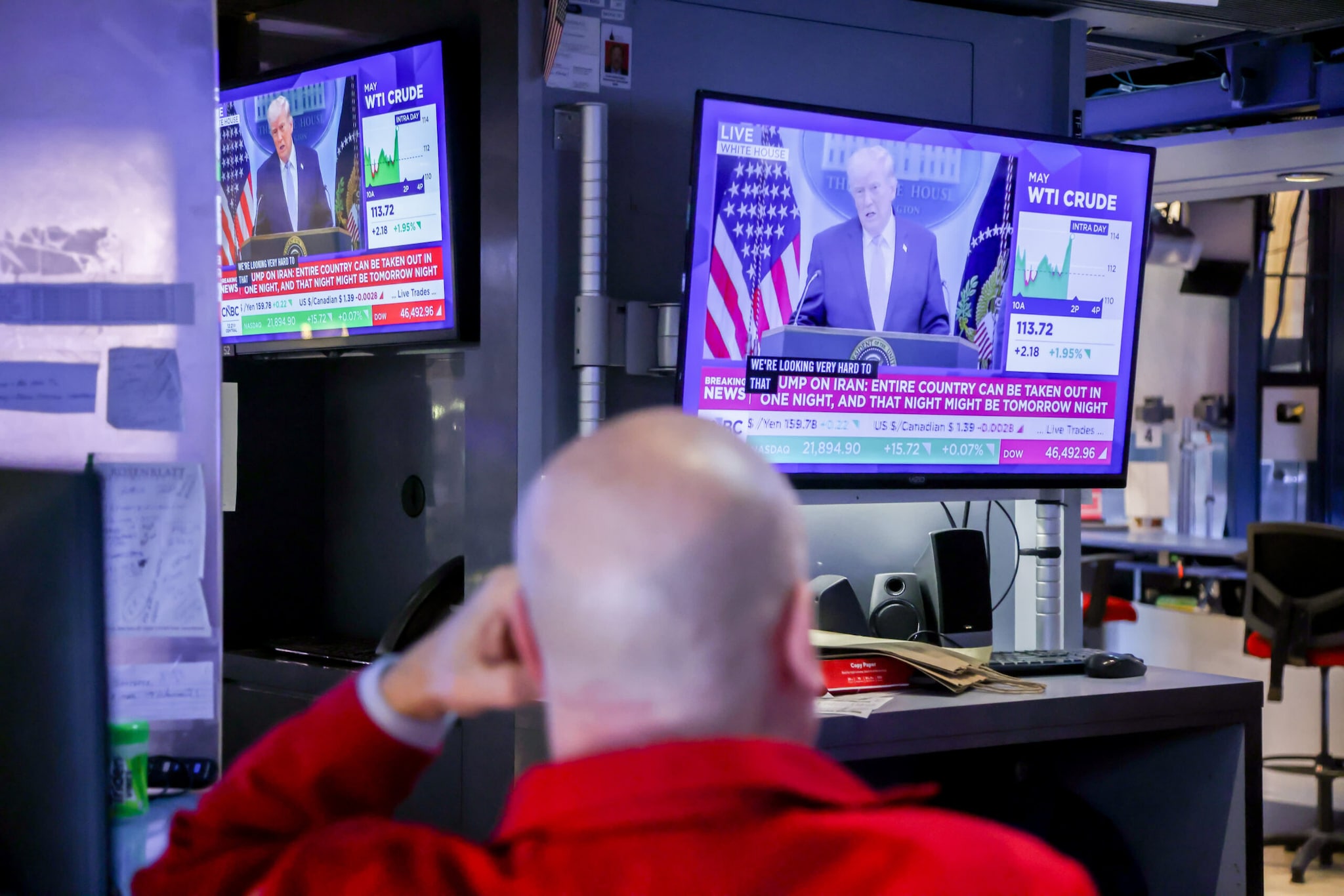
If you only looked at the headlines, you'd think the global energy crisis just vanished. Oil prices are tumbling, equities are flashing green, and social media is buzzing about a diplomatic breakthrough. But look closer at the trading floors in New York and London, and you'll find a completely different vibe.
The institutional desks aren't buying the hype. While retail traders chase the relief rally, smart money is digging in its heels. There's a massive disconnect between political announcements and physical reality, and history shows that playing the unearned euphoria of a geopolitical truce is an easy way to lose your shirt.
The initial market reaction was violent. Brent crude futures plunged nearly 5% in a single session, dragging West Texas Intermediate down past $79 a barrel to hit fresh three-month lows. European indices opened in a sea of green. The catalyst? A highly publicized preliminary agreement between Washington and Tehran, brokered via Pakistan, aiming to secure a 60-day ceasefire extension and unlock the bottlenecked Strait of Hormuz. On paper, it looks like a slam dunk. In reality, it’s a minefield.
The Friction Between Headlines and Frictionless Shipping
The biggest mistake folks are making right now is assuming that a signed piece of paper instantly cleans up a war zone. It doesn't.
Take a look at the Strait of Hormuz. It's the ultimate choke point, responsible for moving roughly 20% of the world's daily petroleum supply. Ever since the maritime conflict choked off traffic at the end of February, that water has been an effective no-go zone. Now, the political narrative says the strait will magically fully reopen by Friday following a formal signing ceremony in Switzerland.
But talk to the marine insurers at Lloyd’s or the commercial fleet managers actually routing these ultra-large crude carriers. They aren't turning on their engines just because a post on social media told them to.
Commercial shipping normalization always lags behind political handshakes. The physical hurdles are massive. Right now, insurers are looking at lingering risks from sea mines, rogue drone threats, and the massive backlog of stranded vessels. Hull risk premiums aren't dropping overnight. If it costs a fortune to insure a cargo passing through the Persian Gulf, that oil stays expensive, regardless of what a diplomat promises.
Furthermore, engineering constraints mean energy production restarts are incredibly drawn out. If an oil facility or storage terminal has been shuttered or lightly damaged during months of friction, you can't just flip a switch to bring 1 million barrels a day back online. Doing it too quickly risks catastrophic equipment failure.
The $300 Billion Elephant in the Room
The skepticism on Wall Street isn't just about shipping lanes; it’s about structural math.
Leaks regarding the interim deal indicate the White House is dangling a massive carrot: a $300 billion international fund designed to rebuild Iran's economy. But there's a catch. That money is strictly contingent on total compliance with nuclear enrichment restrictions and a permanent verification mechanism.
Here is why macro analysts are shaking their heads. The underlying friction points that triggered this conflict—Tehran’s advanced ballistic missile programs, its enrichment activities past acceptable civilian levels, and its regional proxy network—are completely omitted from this stopgap memorandum.
We've seen this movie before. The 2015 Joint Comprehensive Plan of Action unraveled precisely because temporary fixes don't change core geopolitical strategies. Analysts at firms like Saxo Bank and Charles Schwab have noted that current market positioning looks less like a structural bet on peace and more like a rapid unwind of short-term hedges and speculative war positions. Once those hedges are cleared out, the market has to face the stubborn reality of depleted global inventories and sticky inflation.
How to Trade the Reality, Not the Hype
If you are managing capital through this volatility, you need to tune out the political theater and watch the hard data assets.
First, ignore the daily price swings in paper oil and watch the actual tanker tracking data. True market normalization will only happen when physical vessel counts through the Strait of Hormuz return to their baseline averages. If the weekly ship count remains near zero, the drop in Brent crude is artificial and primed for a swift reversal.
Second, keep a close eye on domestic energy sector equities. On the London market, heavyweights like BP and Shell took a beating because of the sliding crude benchmarks, dragging on the broader FTSE 100. This downward pressure is creating a valuation disconnect. If the peace deal stumbles in Switzerland or a proxy group fires a single drone next week, the oil risk premium will snap back instantly, sending these cash-flowing energy giants higher.
Don't mistake a temporary truce for a structural resolution. Tighter monetary policy is still here, global energy infrastructure is fundamentally altered, and the geopolitical knot remains as tangled as ever. Secure your capital by betting on physical data, not political promises.