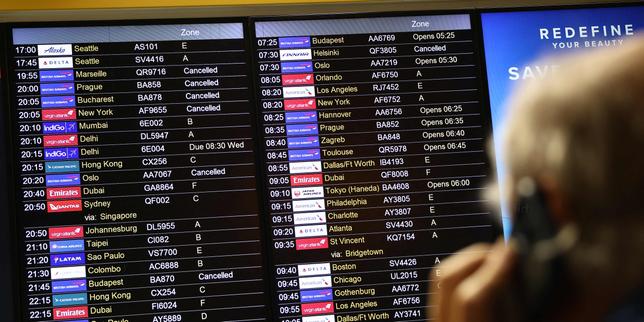
An Aer Lingus flight traveling from Cornwall to Dublin found itself sharing airspace at 6,000 feet with an unlisted, large black drone off the coast of County Wicklow just as a catastrophic air traffic control failure paralyzed British skies. The timing was chilling. While more than a thousand flights faced sudden cancellation following a total system malfunction at Nats—the provider managing fifteen British airports—this cockpit encounter exposed a terrifying operational vulnerability. Commercial airliners navigating a compromised European airspace are flying blind against low-observable unmanned threats, and aviation authorities are running out of excuses.
The incident occurred at 5:20 PM. According to air traffic transmissions, the object hovered approximately 1.62 nautical miles to the port side of the commercial jet. At six thousand feet, recreational quadcopters are entirely out of their depth. This was not a hobbyist machine lofted by an ill-advised enthusiast in a suburban backyard. Operating at that altitude requires specialized commercial hardware, substantial battery capacity, and a deliberate disregard for civil aviation safety protocols.
Yet, the public narrative immediately decoupled the two events, treating the airspace collapse and the drone sighting as separate anomalies. That is a dangerous mistake. When ground-based radar tracking systems fail or experience widespread degradation, monitoring low-altitude and non-transponder traffic becomes virtually impossible for regional controllers.
The Anatomy of a Systemic Collapse
To understand why a drone sighting during an air traffic control blackout is a worst-case scenario, one must look at how modern airspace actually functions. Ground infrastructure relies on a delicate balance of primary radar, secondary surveillance radar, and automated flight management data links. When Nats experienced its catastrophic software or hardware failure, the cascading effects rippled across the Irish Sea.
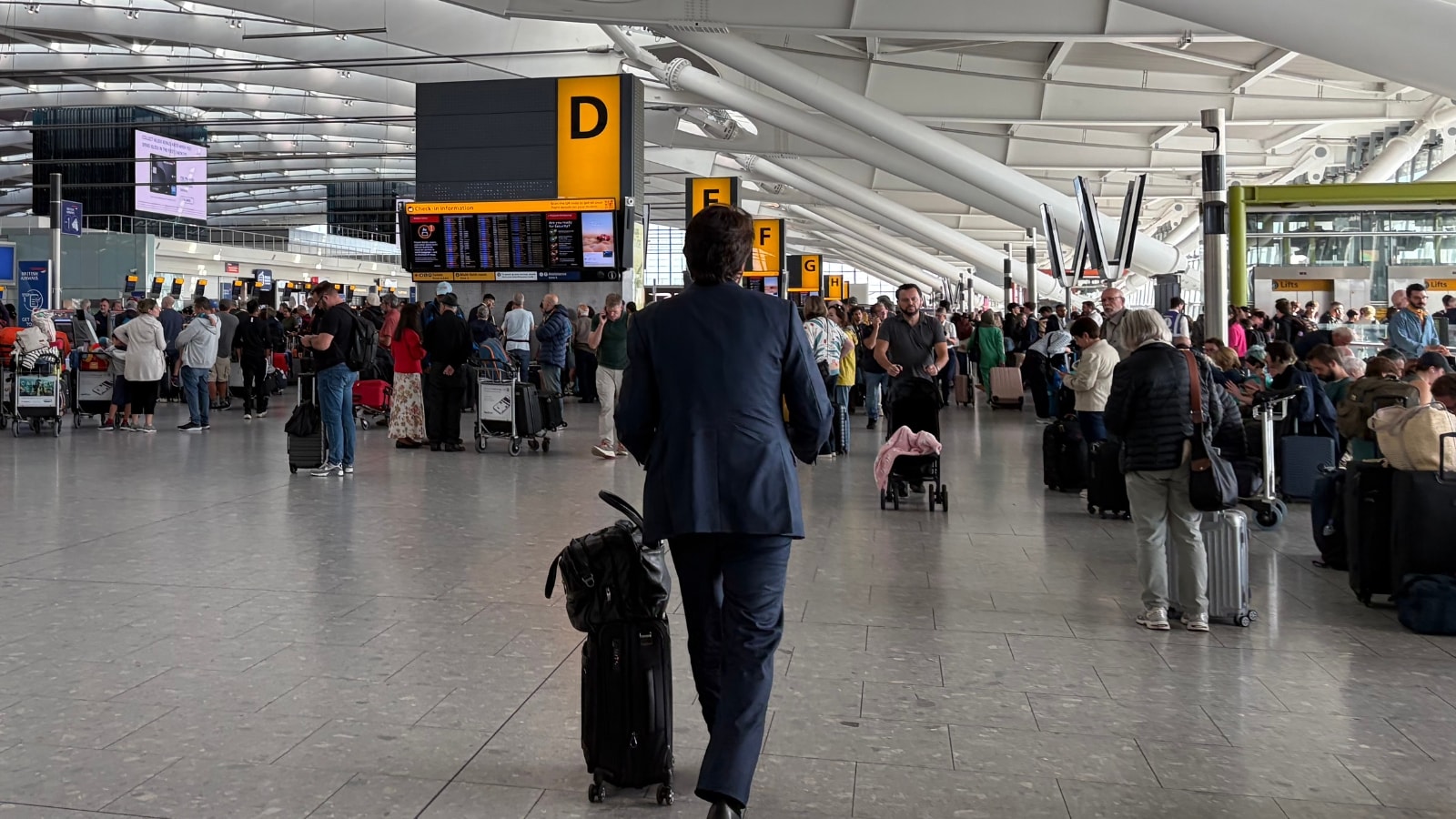
Thousands of passengers were stranded in terminal purgatory. Airports like Heathrow, Gatwick, Manchester, and Stansted ground to a halt. In the control rooms, screens flickered or lost critical situational awareness feeds. Controllers were forced to revert to procedural control methods—relying on pilot position reports and verbal separation estimates rather than real-time digital vectors.
Procedural control is a relic of mid-century aviation. It works wonderfully when everyone is following the rules, communicating clearly, and broadcasting their exact coordinates via transponder. It fails utterly when an unmanaged, un-transponded object enters the corridor.
The Aer Lingus crew did not spot the black drone because of radar warnings. They saw it visually because it happened to cross their flight path at close range. If visibility had been marginal, or if the aircraft had been descending through cloud cover at the time, the outcome could have been catastrophic.
The Altitude Paradox
Six thousand feet is a forbidden zone for standard unmanned aerial systems. Commercial aviation regulations across Europe strictly limit consumer drones to four hundred feet to maintain a wide vertical separation buffer from commercial traffic lanes.
Hitting a hard object weighing twenty or thirty kilograms at two hundred knots does not result in a minor bump. Modern turbofans ingest birds regularly, and engine manufacturers design turbine blades to withstand medium-sized avian impacts. A dense carbon-fiber frame, a lithium battery pack, and electric motor components behave differently. They do not shred; they act like solid shrapnel.
An ingestion event at six thousand feet during a period of reduced air traffic control oversight means emergency response times are severely degraded. Rescue coordination centers are already overwhelmed managing grounded fleets, angry passengers, and diverted aircraft. Adding a mid-air structural breakup over the Irish Sea would stretch emergency services past the breaking point.
AirNav Ireland filed the mandatory safety reports and alerted local law enforcement, while police forces scrambled to issue belated social media warnings reminding operators of temporary restricted airspaces. These reactions are reactive paper shields thrown up after the danger has already passed.
Accountability in the Hot Seat
Political fallout was swift. Nats CEO Martin Rolfe stepped forward to accept responsibility for the core system failures, heading toward a bruising parliamentary grilling by Transport Secretary Heidi Alexander. Lawmakers are currently eyeing the second reading of the Civil Aviation Bill with renewed hostility toward private and semi-privatized monopolistic infrastructure providers.
However, parliamentary inquiries rarely address the persistent blind spot regarding unauthorized drone integration. Regulators have spent a decade treating rogue drones as localized nuisances near major hubs like Gatwick or Heathrow rather than strategic threats to national airspace security.
When national air traffic control systems experience total outages, the skies do not magically empty. Aircraft already airborne must land, and regional cross-border flights continue under decentralized authority. This transition window creates a tactical vacuum. If an actor wanted to test response times, probe coastal radar gaps, or simply fly undetected, a nationwide technical meltdown provides the ultimate cover.
Whether the Wicklow sighting was an astonishing coincidence involving an illegal commercial mapping flight or something more deliberate remains under active investigation. The authorities are playing down malicious intent, pointing toward standard bureaucratic channels and police notifications.
Regardless of intent, the vulnerability is exposed. Commercial pilots are acting as the primary radar defense system for European skies, squinting through cockpit windscreens while ground computers reboot. Until airspace management architectures feature redundant, decentralized tracking that can isolate un-transponded low-altitude threats even when primary systems crash, every major technological outage carries an invisible passenger.