Silver is cold until it touches a human palm.
In a quiet workshop miles from the roar of any capital city, a pair of tweezers holds a piece of metal no larger than a grain of rice. The room smells of warm wax and polishing compound. Outside, the air of Binh Duong carries the heavy, humid weight of the Vietnamese dry season. Inside, the air is filtered, cool, and preternaturally still.
Hold your breath. One slip of the hand destroys hours of work.
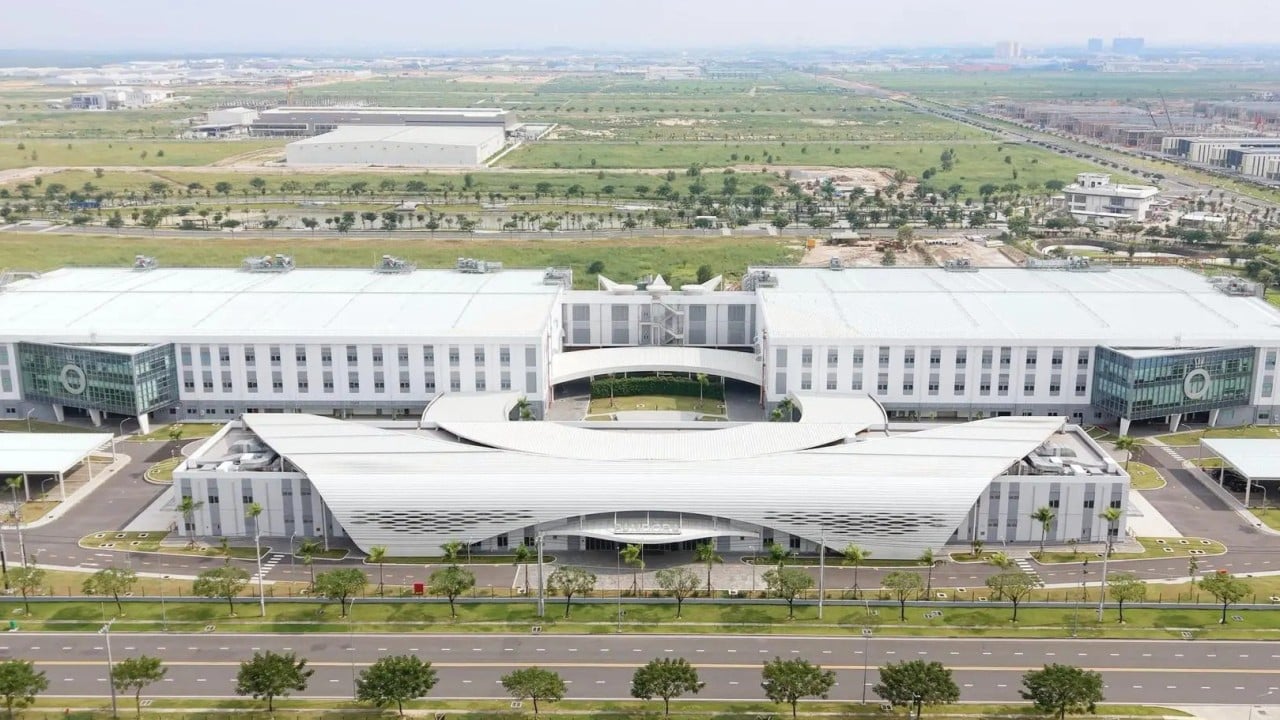
This is not a quaint artisanal boutique tucked into a cobblestone alley in Europe. This is the heartbeat of a massive industrial pivot. Thousands of miles away, directors in sleek Copenhagen boardrooms gaze at spreadsheets, but the actual destiny of their brand is forged right here, under the fluorescent lights of a sprawling new facility.
Pandora did not stumble into Vietnam by accident. They looked at maps, supply chain choke points, labor markets, and energy grids, and they made a profound calculation. The result is the largest jewelry crafting facility the world has ever seen bearing their name. A multi-million-dollar bet on precision, scale, and a nation rising through the ranks of global manufacturing.
Consider what happens long before a charm ever reaches a glass display case.
Silver arrives in heavy bars. It is melted down in roaring furnaces. It is cast, tumbled, cleaned, and shaped. Every tiny link, every intricate engraving of a tiny flower or a cartoon bear, requires human eyes. Machines can stamp out blanks with cold efficiency, but human fingers must inspect the final polish.
Linh knows this better than anyone. (Let us introduce Linh, a composite figure representing the thousands of technicians who walk through these gates each morning.) She has spent five years mastering the art of stone setting. Her fingers move with a blurred, hypnotic speed, pushing tiny cubic zirconia stones into channels so narrow they disappear to the naked eye.
She does not think about market capitalization or quarterly earnings reports when she works. She thinks about the sound of the tool. She thinks about whether the claw holding the stone will catch on a knitted sweater six thousand miles away in Berlin or Chicago.
That is the invisible stake of global commerce. A multi-billion-dollar Danish jewelry empire rests entirely on the micro-movements of Linh’s hands.
For decades, Pandora relied heavily on its massive production footprint in Thailand. It was a successful model. Yet, expansion requires foresight. To grow without buckling under pressure, a company needs redundancy, state-of-the-art infrastructure, and access to a deeply skilled technical workforce.
Vietnam offered an answer.
The country has transformed dramatically over the past two decades. It is no longer just a destination for low-cost assembly lines producing textiles or simple electronics. A sophisticated ecosystem of engineering talent, vocational schools, and high-tech industrial parks has taken root. The government has prioritized green infrastructure, pushing industries toward LEED-certified buildings and renewable energy sources.
When Pandora announced its new facility in Binh Duong, the corporate world took note. This was not a modest satellite office. This was a statement of intent. The factory is designed to be entirely powered by renewable energy, utilizing solar panels across its massive roofs to offset its carbon footprint.
Sustainability is often tossed around as a marketing buzzword, stripped of meaning by corporate PR departments. Here, it is written in concrete, glass, and photovoltaic cells. To craft luxury items while racing toward net-zero emissions requires an engineering overhaul. Furnaces must run cleaner. Wastewater must be meticulously treated and recycled. Every gram of silver waste must be swept up, melted down, and reborn.
Money talks. But steel and silver shout louder.
The investment poured into Binh Duong runs into the hundreds of millions of dollars. Thousands of jobs created. Entire communities shifting around the rhythm of shift changes at the plant. Families buying motorcycles, building homes, sending children to university.
Economic gravity is shifting. The axis of modern manufacturing continues to slide eastward, not simply because labor costs vary, but because the mastery of complex production has found a hospitable home in Southeast Asia.
Look closely at the jewelry you wear.
A charm bracelet is rarely just metal. It is a biography. A silver graduation cap for a daughter passing her exams. A tiny suitcase for a couple's first big trip together. A heart given in a moment of quiet apology.
We buy these tokens because we are mortal, and we desperately want our memories to outlive us.
Yet, the romance of the object conceals the machinery of its creation. We rarely pause to think about the foundry worker, the logistics coordinator tracking shipping containers across stormy seas, or the engineer calibrating the temperature of an annealing oven.
When Pandora chose Vietnam, they were not just chasing efficiency. They were aligning themselves with a nation defined by momentum.
The construction of this colossal facility was an engineering marvel in its own right. Pouring foundations through monsoons. Erecting steel skeletons that could withstand tropical heat. Installing complex ventilation systems to protect workers from fine metallic dust. Every phase required coordination between Danish designers who obsessed over aesthetic minimalism and Vietnamese engineers who understood the local soil, climate, and regulatory landscape.
When the first batch of silver rolled off the production lines, silence fell over the control room. Then came the applause.
It was a quiet victory. No massive fireworks display. Just the quiet clink of metal meeting metal, signaling that the factory was alive.
Today, millions of pieces of jewelry flow out of these doors annually. They travel by air and sea, boxed in pink cardboard boxes, eventually landing in sunlit storefronts across continents. A teenager in Melbourne unboxes a birthday gift. A grandmother in Toronto fastens a bracelet around her wrist.
They feel the weight. They admire the shine.
They do not know Linh's name. They will never see the green campus of the Binh Duong factory, nor the rows of solar panels drinking in the tropical sun.
They do not need to.
That is the secret elegance of global trade when it functions at its highest level. The complexity vanishes, leaving behind only the pure, unadulterated human connection of a gift given and received.
Silver cools down in the palm of your hand. But the engine that brought it to you never sleeps.