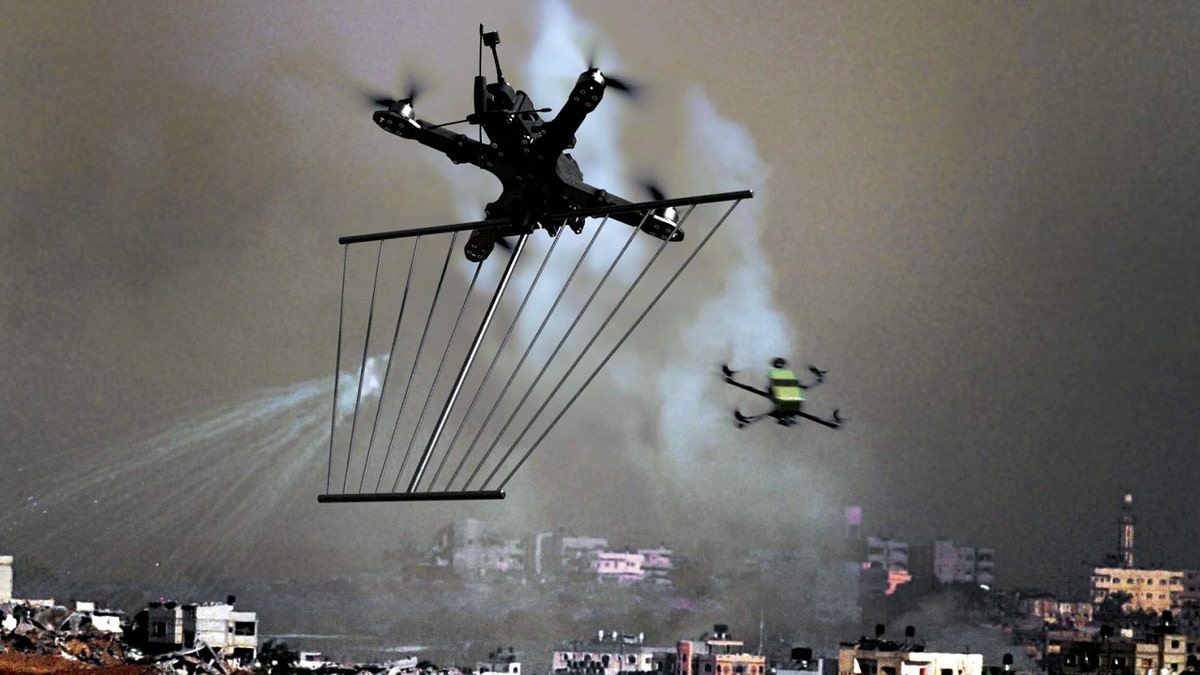
The myth of Dubai as a permanent sanctuary is cracking. For decades, the Indian expatriate community—numbering over 3.5 million and forming the backbone of the United Arab Emirates’ private sector—has operated under the assumption that the Gulf was a safe harbor from global volatility. That certainty is evaporating. As regional tensions escalate beyond the usual rhetorical skirmishes, the wealthy Indian elite and the middle-class professional tier are no longer just watching the skies. They are moving their money.
This is not a panic. It is a calculated, cold-blooded reallocation of risk. While surface-level reports suggest a simple "hunkering down," the reality is a sophisticated shift in capital flight and long-term residency strategy. The Indian diaspora is realizing that the Golden Visa, once seen as a definitive anchor, is merely a gilded permit in a region where geography is becoming a liability.
The Mirage of Neutrality
Dubai has long sold itself as the Switzerland of the Middle East. It is a place where trade trumps tribalism and where an Indian tech founder can sit across from a European venture capitalist while regional wars rage hundreds of miles away. But the physical proximity of modern warfare has stripped away the comfort of distance.
When drones and missiles enter the airspace of neighboring nations, the logistics of a global hub falter. Insurance premiums for shipping through the Strait of Hormuz do not care about Dubai’s neutral stance. Flight paths that once made Dubai the "center of the world" are being rerouted, adding hours to travel and millions to operational costs. For the Indian businessman who manages a supply chain stretching from Mundra to Rotterdam, Dubai is starting to look like a bottleneck rather than a gateway.
The Indian community’s reaction is unique because of the sheer scale of their integration. Unlike Western expats who might stay for a three-year stint, Indians in the UAE often represent three generations of residency. They own the supermarkets, the clinics, and the construction firms. If they lose confidence, the very mechanics of the city begin to grind.
The Reverse Flow of Capital
For the first time in a generation, the flow of remittances is changing shape. Traditionally, money went from Dubai to India to support families or buy real estate in Kerala and Punjab. Now, the "ultra-high-net-worth" segment is bypassng India entirely, moving liquidity into Singapore, London, and even restructured family offices in Mauritius.
The fear is not just physical safety. It is the liquidity trap. In a moment of genuine regional escalation, the UAE’s peg to the US dollar and its banking openness could face unprecedented pressure. Indian investors, survivors of multiple financial crises back home, have a keen nose for when a market is about to tighten. They are shifting from fixed assets—the glitzy high-rise apartments in Business Bay—to liquid, offshore instruments.
- Real Estate Cooling: Secondary market sales in prime expat neighborhoods are seeing a quiet surge in listings as families look to "lighten" their Gulf portfolios.
- Gold as a Hedge: Despite record highs, the physical gold trade in the Deira Souk remains driven by Indian buyers who view the metal not as jewelry, but as portable survival capital.
- Business De-risking: Firms that once kept 100% of their treasury in local banks are now diversifying into multi-jurisdictional accounts.
The Talent Drain to the West
While the UAE government has worked tirelessly to introduce long-term residency options, the "endgame" for many Indian professionals is shifting back toward the West. Canada, Australia, and Germany have become the new targets for the children of Dubai’s Indian elite.
The logic is simple. A Golden Visa does not offer a path to citizenship. In a crisis, a residency permit is a document that can be revoked or rendered useless if the host country’s infrastructure is compromised. A passport, however, is an exit strategy. We are seeing a "brain drain" of second and third-generation Indians who were born in the UAE but feel no institutional security there. They are taking their skills, their startups, and their inheritance to jurisdictions that offer the one thing the Gulf cannot: a social contract that includes a permanent right to remain.
The Indian Government’s Quiet Pivot
New Delhi’s relationship with Abu Dhabi is at an all-time high, but behind the diplomatic smiles, there is a pragmatic recognition of the risks. The Indian government has been forced to modernize its evacuation protocols, not for blue-collar laborers in labor camps, but for the white-collar engine of the diaspora.
There is also the matter of trade routes. The India-Middle East-Europe Economic Corridor (IMEC) was hailed as a successor to the Silk Road. However, regional instability makes the "Middle East" portion of that corridor look increasingly fragile. Indian policy analysts are quietly reviving discussions around the International North-South Transport Corridor (INSTC) as a backup, potentially bypassing the most volatile zones of the Gulf. This shift in infrastructure priority signals a long-term hedge against Gulf instability.
The Squeeze on the Middle Class
The wealthy can fly out on private jets; the middle class is stuck with the bill. Indian families who have spent twenty years building a life in the Emirates are facing a brutal spike in the cost of living, driven by increased logistical costs and the necessity of "security inflation."
Schools, healthcare, and rent—already expensive—are being impacted by the higher cost of doing business in a high-risk zone. For a family from Mumbai or Bangalore, the math is starting to fail. If the salary in Dubai no longer allows for significant savings after accounting for the "risk premium" of living in the Gulf, the incentive to stay disappears.
We are observing a phenomenon where the "bridge" between India and the West—which Dubai provided—is being dismantled. People are choosing to cross that bridge sooner rather than later, or simply staying on the Indian side where the economy is growing fast enough to absorb their talents.
The Infrastructure of Anxiety
Walk through the lobbies of the DIFC or the cafes of Jumeirah, and the conversation has shifted. It is no longer about the next property launch or the latest tech IPO. It is about contingency.
The Indian expat is a master of adaptation. They have survived oil price crashes, the 2008 financial crisis, and a global pandemic. But those were economic or biological hurdles. The current situation is existential and geographic. You can fix a balance sheet, but you cannot move a city away from a flight path of a ballistic missile.
This anxiety is reflected in the sudden demand for "Plan B" consultancies. Firms specializing in Mediterranean "Citizenship by Investment" programs are reporting a 40% increase in inquiries from Indian nationals based in the UAE. They aren't looking for a vacation home in Greece; they are looking for a lifeboat.
The End of the Perpetual Expat
The era of the "perpetual expat"—the Indian national who spends 40 years in the UAE without ever looking back or moving forward—is over. The current climate has forced a generational reckoning. The choice is now between the volatility of a booming but exposed Gulf hub and the stability of a slower but more secure life elsewhere.
Dubai will remain a glittering monument to ambition, but its reliance on the Indian diaspora is its greatest vulnerability. If the backbone decides that the risk of the "hunker down" is too high, the city's rise could be met with an equally rapid recalibration. The smart money is already halfway to the airport.
Monitor the volume of mid-market property sales in the next six months; it will tell you more about the future of the Gulf than any government press release.