We think we know the endings of famous lives. We watch them on glowing screens, project our own longings onto their successes, and measure their grief by the polite applause at memorial services. But grief is not polite. It is messy, loud, and entirely unconcerned with public relations. When a legacy is shattered behind closed doors, the sound does not echo immediately. It hangs in the air, heavy and suffocating, waiting for someone to finally find the courage to speak.
Jake Reiner spent months walking through that silence. For a different view, see: this related article.
For the world, the name carries a specific weight. It brings to mind silver screens, iconic laughter, and a Hollywood royalty that feels permanent. Yet fame offers no armor against catastrophe. When tragedy violently rewrote his family's history, the public consumed the headlines like any other morbid morning paper. They debated the details. They dissected the police reports. They traded theories online before the coffee had even cooled.
Nobody asked what it felt like to be the one left standing in the wreckage. Further coverage on this trend has been provided by The New York Times.
Listen closely. Imagine the sound of a telephone ringing in an empty room at three in the morning. That is not just a sound; it is an eviction notice from reality. In a single instant, the past you thought you owned ceases to exist. Jake stood at that precise precipice. Every memory of childhood, every holiday dinner captured on grainy home video, suddenly belonged to strangers on the internet.
Public tragedy is a strange beast. It demands performance from people who are entirely empty inside. You are expected to grieve privately while the world watches publicly. You are expected to make sense of the senseless while camera lenses peer through your windows.
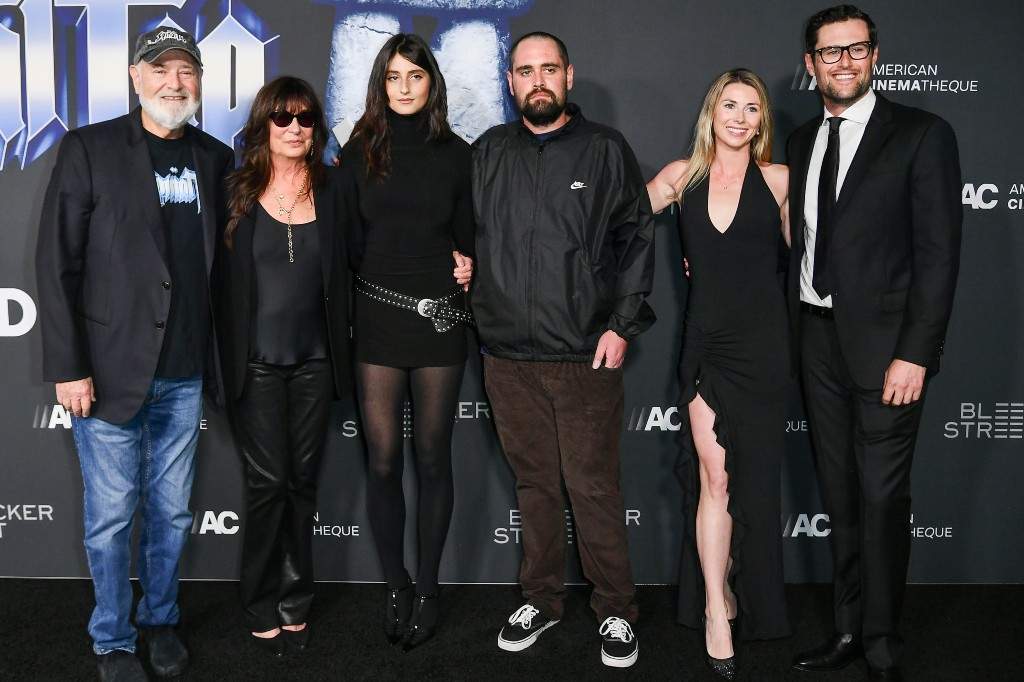
When Jake finally chose to break his silence, stepping forward for his very first interview about the murders of his parents, he did not offer polished talking points. He offered fragments of a shattered world. He showed us what remains when the curtains are torn down and the stage lights are cut off. There were no grand declarations. There was only the raw, trembling human voice trying to bridge the gap between who he was before that night and who he had been forced to become since.
We often forget that behind every breaking news ticker is a person trying to remember how to breathe. We consume tragedy as entertainment, a fleeting distraction on a Tuesday commute. We treat real pain as a serialized drama with a convenient next episode.
Consider what happens when the cameras finally turn away. That is where life actually happens. That is where Jake had to learn how to walk through a house that no longer felt like home. The walls still held the ghosts of old arguments, shared meals, and ordinary Tuesday afternoons. But those walls were now monuments to an absence.
There is an invisible tax paid by the children of icons. They are born into a spotlight they never asked to share, forced to navigate the expectations of an audience that feels entitled to every chapter of their lives. When tragedy strikes, that entitlement multiplies. Every tear is scrutinized. Every word is weighed on scales of public approval.
Yet, in that first interview, something shifted. By speaking out, Jake reclaimed the narrative from the speculators. He took back the story of his parents from the cold machinery of the news cycle. He reminded us that beneath the famous last name, beneath the Los Angeles county case files, and beneath the speculative chatter of daytime television, there was a son missing his mother and father.
This is the hidden cost of our collective obsession with celebrity trauma. We demand transparency, but we rarely offer grace. We want the answers, but we flinch at the messiness of the emotional cost.
The silence that followed the initial shock was deafening. But silence cannot hold forever. Eventually, the pressure builds until something has to give. For Jake, giving voice to the unthinkable was not about seeking attention or feeding the beast of public curiosity. It was an act of survival. It was a declaration that the lives of his parents mattered more than the sensationalism of their deaths.
We live in an age that commodifies suffering. Every heartbreak is packaged for algorithms; every tear is monetized for clicks. Against that relentless tide, a quiet, honest confession feels revolutionary. It forces us to put down our digital stones and remember our shared humanity.
The story of the Reiner family is no longer just a Hollywood tragedy. It is a stark reminder of how fragile our anchors are. One moment we are sailing through familiar waters, complaining about the weather; the next, a rogue wave has smashed our vessel to splinters.
Jake Reiner is still learning how to swim in those broken waters. He does not have a neat conclusion for us. There is no silver lining to be found in the ashes of a family destroyed. There is only the stubborn, daily choice to wake up, to put one foot in front of the other, and to refuse to let the final chapter be written by the monsters who tried to silence them.
The microphone is off now. The interview has ended, and the headlines have slowly drifted away toward newer, shinier disasters. But in the quiet rooms of memory, the echoes remain. A son's voice, steady at last, cutting through the dark.