Foreign policy shifts rarely happen overnight, but when they do, they usually follow a very specific script of shifting political alliances and pragmatic interests. The White House recently decided to remove Venezuela from its annual list of nations failing to cooperate with international counternarcotics efforts. If you've been following Latin American geopolitics for the last decade, this reversal feels jarring. For years, Washington painted Caracas as the ultimate epicenter of state-sponsored drug trafficking. Now, citing shifting diplomatic channels and cooperation under interim leadership, the narrative has flipped.
At the same time, the administration is eyeing potential changes regarding Colombia, signaling that regional alignments are being redrawn from scratch. Let's look past the press releases to examine why this is happening and what it actually changes on the ground.
The Real Drivers Behind Venezuela's Removal
You don't alter decades-old security designations on a whim. The official rationale points to cooperative steps taken under Venezuela's interim government, particularly following dramatic political changes in Caracas. After years of hardline confrontation, economic isolation, and aggressive military posturing in the Caribbean, Washington has found a pragmatic opening.
When political regimes shift, intelligence sharing and border coordination tend to follow. The administration wants tangible wins against transnational cartels, and working with current power brokers in Caracas apparently beat maintaining an unyielding punitive stance. Critics call it opportunistic. Supporters call it realpolitik. Either way, it proves that geopolitical enmity has an expiration date when domestic leadership changes.
Why Colombia Is Next in the Crosshairs
While Venezuela is stepping off the blacklist, traditional partnerships face new tests. Colombia has long been viewed as America's bedrock security anchor in South America. Yet, ideological friction between Washington and past administrations in Bogotá frayed those ties significantly.
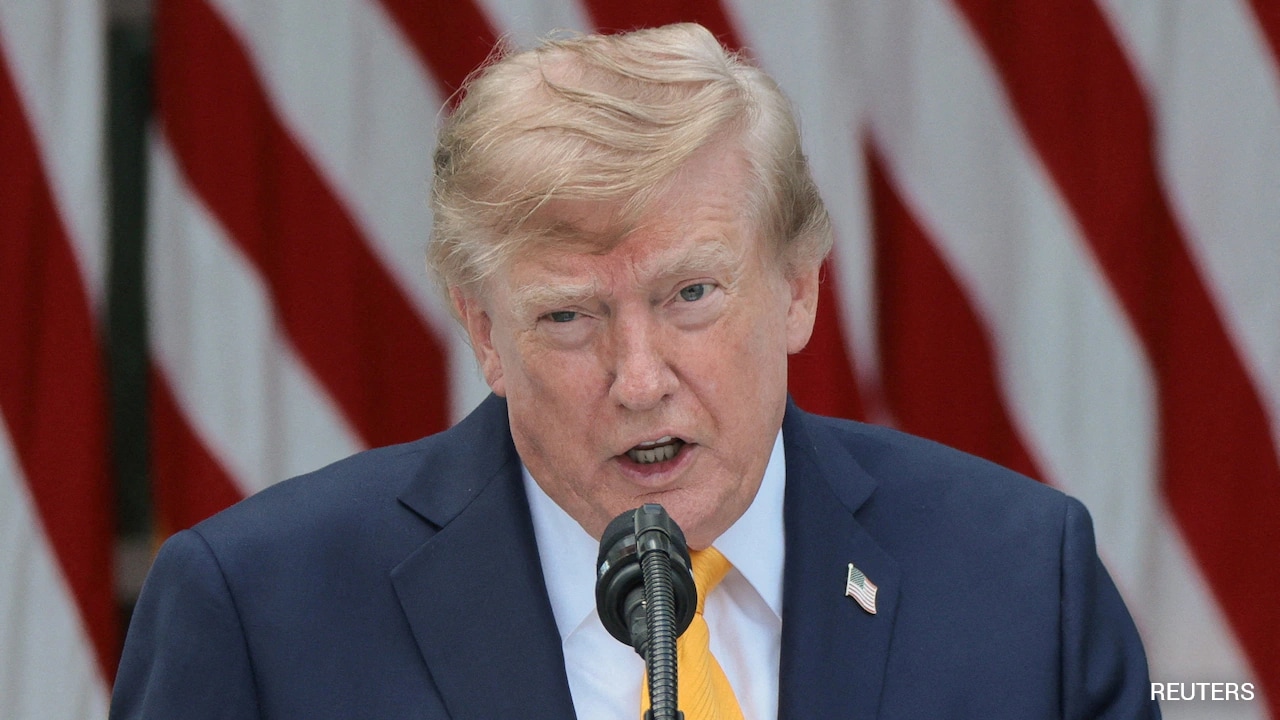
With shifting political momentum in Colombia and the rise of conservative figures like Abelardo de la Espriella, Washington is openly signaling a potential thaw. Trump recently noted that Colombia could soon reclaim its status as a premier security partner. For multinational corporations, security analysts, and local policymakers, this potential reversal means trade routes, intelligence cooperation, and counter-narcotics funding are about to enter a completely new phase.
What This Means for Hemispheric Trade and Enforcement
Changes to drug lists aren't just symbolic diplomatic slaps on the wrist. They dictate billions in foreign aid, military hardware deployment, and banking scrutiny. When a country gets dropped from the blacklist, compliance hurdles for energy and shipping sectors drop with it.
- Energy markets open up: Better diplomatic ties pave the way for smoother oil sector operations and direct bilateral investments.
- Security partnerships shift: Expect joint naval patrols and intelligence frameworks to pivot away from old rivalries toward synchronized cartel containment.
- Regional domino effects: Neighboring states in the Andes and the Caribbean must recalibrate their own security postures to match Washington's changing priorities.
Cutting Through the Diplomatic Spin
Diplomacy is messy, and sweeping policy reversals always leave a trail of contradictions. Labeling a country a narco-state one year and praising its collaborative spirit the next leaves local civil society groups and human rights advocates caught in the middle. Strategic interests routinely trump consistency.
If you're trying to make sense of these developments, stop looking for moral consistency and start following the lines of political alignment. The White House is clearing the board, rewarding friendly transitions, and demanding alignment from traditional partners. Whether these tactical maneuvers actually reduce drug flows into American cities remains an open question, but one thing is certain: the map of Latin American influence has officially been redrawn.
This video provides additional context on how policy shifts and strained diplomatic ties between Washington and South American governments impact regional security cooperation.