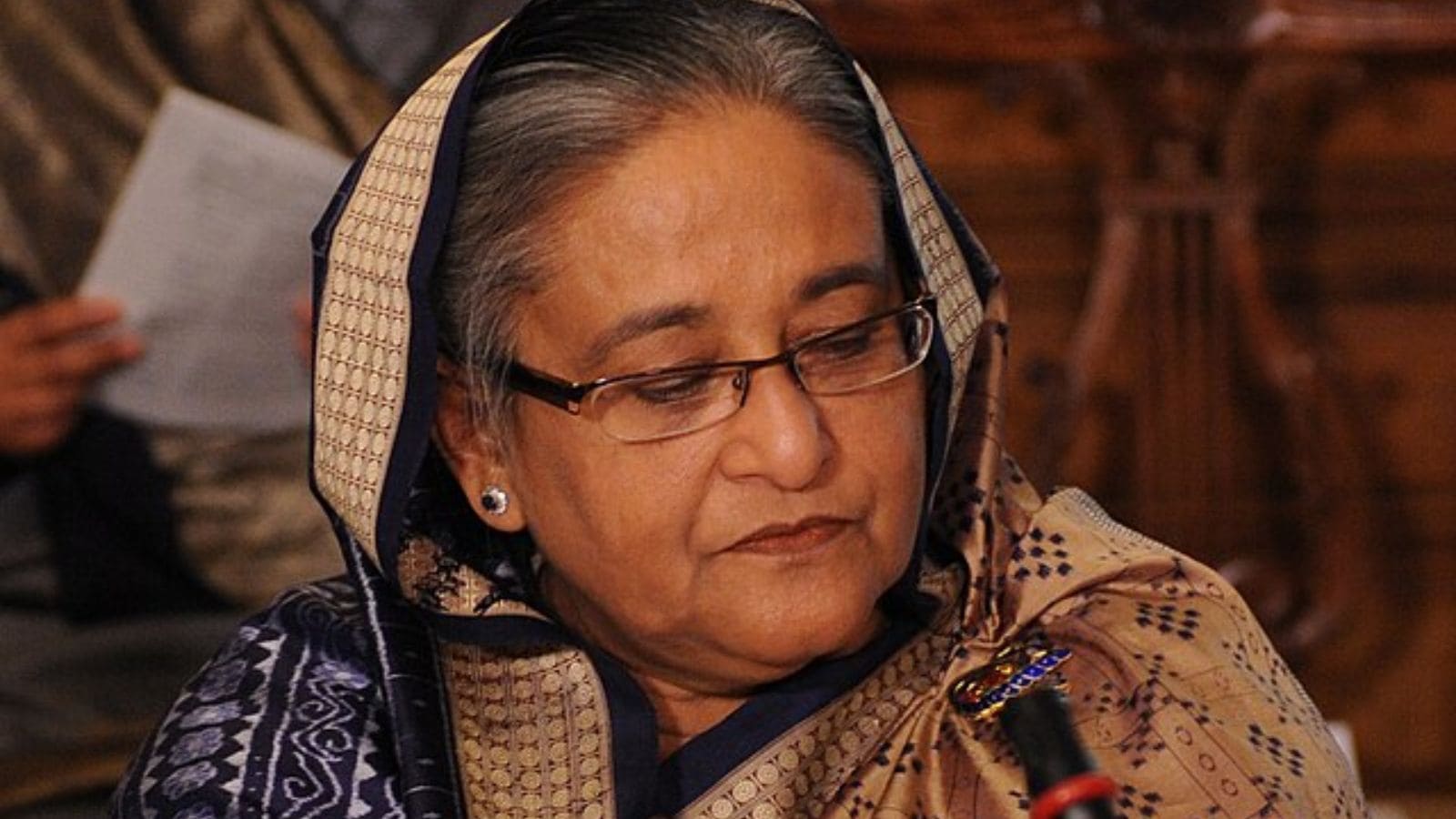
Two years after fleeing Dhaka amid a violent uprising that shattered her nearly sixteen-year tenure, former Prime Minister Sheikh Hasina has broken her silence. Speaking virtually from New Delhi at an event hosted by the Foreign Correspondents' Club of South Asia, she made her stance crystal clear. She plans to return to Bangladesh by December.
Her message wasn't just a casual political statement. It was a direct challenge to the current establishment and the legal threats hanging over her head. "They may arrest me on my return; they may even kill me," Hasina stated during the briefing. "Still, I have to go."
If you've been following South Asian politics, you know the stakes couldn't be higher. Hasina faces a death sentence handed down in absentia by Bangladesh's International Crimes Tribunal, along with a mountain of criminal cases tied to the deadly crackdown on the 2024 protests. Yet, she is doubling down.
The Alternative Narrative of the 2024 Unrest
Most mainstream reports frame the July and August 2024 uprising purely as an organic, peaceful student movement that bloomed overnight. Hasina completely rejects this framing.
During her press conference, she claimed that the protests were hijacked from the very beginning. According to her perspective, organized groups manipulated genuine student grievances over civil service job quotas to engineer a violent regime change. She pointed to widespread arson, targeted attacks on state infrastructure, and casualties among police officers as proof that the situation crossed the line from protest to coordinated chaos.
Critics and opposition leaders argue that her administration's heavy-handed response caused the vast majority of the bloodshed. The United Nations Human Rights Office documented roughly 1,400 deaths between July 1 and August 15, 2024. Meanwhile, Hasina and her supporters, including her son Sajeeb Wazed, have openly questioned those casualty numbers and demanded a transparent accounting of who died and why.
What Happens Next for the Awami League
Hasina's return timeline brings massive uncertainty to Bangladesh's fragile political ecosystem. Her party, the Awami League, remains banned under anti-terrorism laws pending ongoing court decisions. Senior leaders are either imprisoned, in hiding, or operating from exile.
Despite these hurdles, Hasina is trying to rally her base from across the border. She called on her supporters to remember historical party milestones and framed her future homecoming as an inevitable duty.
The current administration in Dhaka has already made its position known. Law enforcement officials have stated that any attempt by Hasina to cross the border will result in immediate arrest to face the pending tribunal sentences.
Whether she actually boards a flight back to Dhaka this December or if her rhetoric remains purely symbolic, one thing is certain. The political battle lines in Bangladesh are drawing tighter by the day.