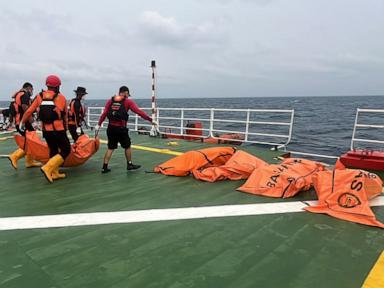
Fifty-two bodies. The grim tally emerged from the wreckage of a capsized passenger ferry in Indonesian waters following a dayslong search and rescue operation that exposed vulnerabilities in an archipelago heavily reliant on maritime transit. When rescue divers finally pulled the last of the victims from the submerged hull, the immediate grief of grieving families gave way to an all-too-familiar public reckoning. Why do wooden-hulled vessels and aging roll-on/roll-off ferries continue to become coffins in the world's largest island nation?
Maritime accidents in Indonesia are rarely freak occurrences born of sudden, unpredictable fury. They are recurring symptoms of systemic oversight, economic pressures, regulatory laxity, and a geography that pits human ambition against treacherous equatorial currents. To understand why fifty-two human lives were lost in this latest tragedy, one must look past the immediate tragedy of rough seas and examine the economic machinery that forces overloaded vessels out of port day after day.
The Anatomy of an Archipelago Transit Crisis
Indonesia spans more than seventeen thousand islands. Millions of citizens rely on maritime transport because domestic air travel remains a luxury for the urban middle class and upper tier. Ferries are the buses and trains of this waterborne nation. They connect remote villages to regional hubs, transporting school children, market vendors, and cargo.
This heavy reliance creates immense pressure on operators to maximize trip frequency. Speed often supersedes safety. In many regional ports, oversight mechanisms exist largely on paper. Port authorities understaffed and overwhelmed by maritime volume frequently rely on visual inspections rather than rigorous cargo weight calculations.
Vessel stability depends on precise weight distribution and adherence to maximum passenger capacities. When operators bypass these margins to squeeze out extra revenue from passenger fares and excess cargo, the margin for error shrinks to zero. A sudden squall, a shifting deck load of motorcycles and heavy sacks, or a panicked rush of passengers to one side of the vessel during rough weather can trigger a catastrophic capsize in minutes.
Weather Patterns and Metocean Realities
The waters surrounding the Indonesian archipelago are governed by complex monsoon patterns and erratic local wind systems. Squalls materialize with terrifying speed, whipped up by thermal currents and narrow straits that accelerate tidal flows.
Yet, weather forecasting and dissemination at the local port level remain inconsistent. While national meteorological agencies issue broad warnings, the translation of these alerts into port-level sailing bans often depends on local harbor masters who face intense pushback from commercial operators and stranded passengers alike.
When a captain weighs the financial penalty of missing a sailing against the low statistical probability of sinking, the economic incentive too often pushes them into dangerous waters. Modern navigation equipment, automated weather updates, and standardized communication protocols are unevenly distributed across regional fleets. Older vessels often lack functioning long-range radios or GPS systems, leaving crews isolated once they clear the immediate coastal shelf.
Regulatory Enforcement and the Culture of Compliance
Indonesia's maritime safety framework is codified under national shipping laws, yet implementation falls into a fractured bureaucratic landscape. Responsibility is split between ministries, regional authorities, and port operators, creating gaps where accountability vanishes.
When a ferry goes down, investigators routinely point to overloading and missing manifest data. Passenger manifests are notoriously unreliable in many domestic ports. Tickets are often sold informally on docks, cash changes hands without a digital paper trail, and families travel with children whose names never appear on official rolls. This lack of accurate passenger lists paralyzes rescue operations in the critical opening hours. Search teams cannot confirm how many souls are actually missing, forcing them to rely on distressed family members waiting anxiously on the shorelines.
Penalties for safety violations have historically lacked the teeth required to force cultural change within the industry. Fines are often cheaper than the operational cost of complying with mandated equipment upgrades, life raft certifications, and hull inspections. Until regulatory bodies possess the unconditional authority to impound non-compliant vessels without political interference, rogue operators will continue to gamble with human cargo.
The Human Cost and the Cycle of Grief
The aftermath of these maritime disasters follows a grimly predictable script. Sirens wail along the docks. Divers don heavy gear, descending into murky, zero-visibility depths where twisted steel and personal belongings create a deadly maze. Grief-stricken relatives camp out near makeshift morgues, clutching faded photographs and identification papers.
Politicians arrive in spotless suits to promise sweeping reforms, tighter controls, and justice for the victims. Investigators draft comprehensive reports detailing human error, adverse weather, and mechanical failure.
Then the news cycle shifts. The port traffic resumes its relentless rhythm. Wooden hulls and aging ferries load up as the demand for transit remains unyielding. Fifty-two families carry an unendurable absence, while the structural machinery that permitted the disaster remains largely intact, waiting quietly for the next storm.