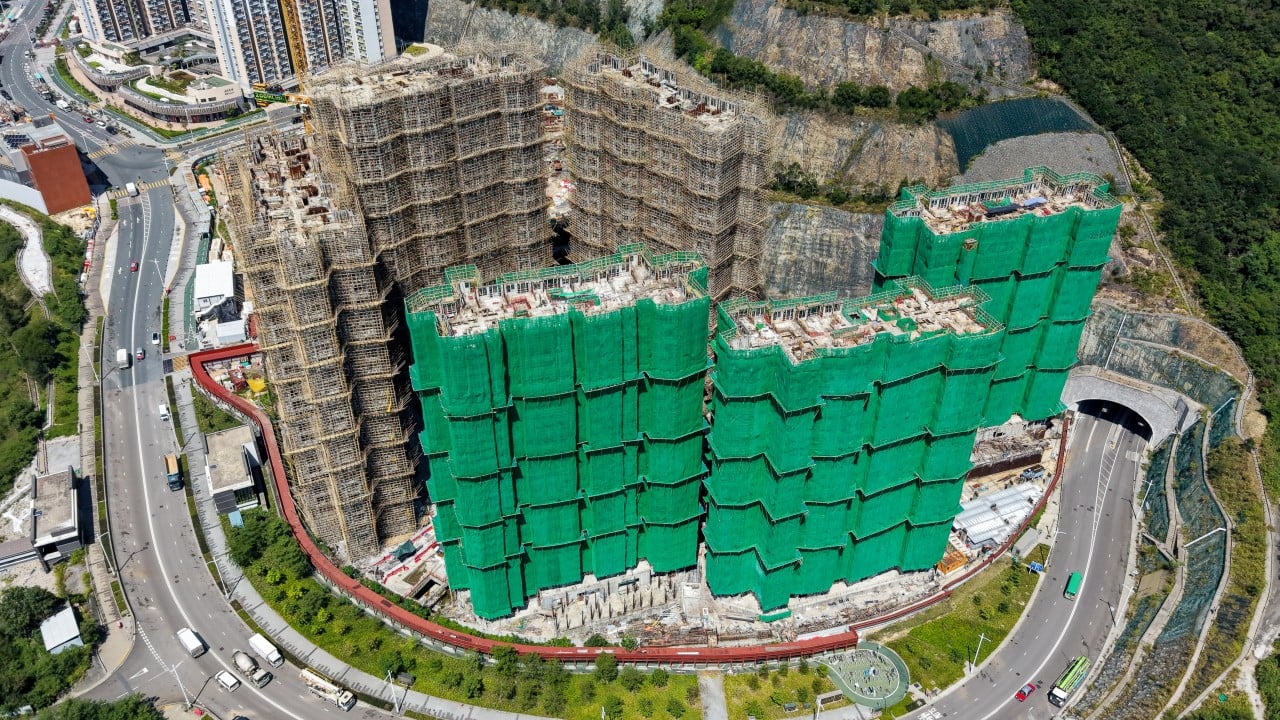
Former Greentown China executives do not end up in handcuffs by accident. When prosecutors finally moved against the leadership core over corrupt transactions tied to real estate project stakes, they exposed the raw machinery of high-end property development in the People's Republic. The narrative is rarely about a single rogue operator slipping an envelope across a quiet restaurant table. It is about an ecosystem engineered for extraction, where massive capital flows intersect with absolute discretion.
For decades, Greentown China stood as a bellwether for luxury property development across the mainland. Their developments promised neo-classical grandeur, manicured landscaping, and elite status symbols for a rising urban middle class. Behind the travertine marble and pristine architectural renderings, however, the corporate engine relied on relentless land acquisition and high-leverage partnerships. Every parcel secured carried multi-million-dollar implications. Every stake in a joint-venture project represented a contested fortune. Meanwhile, you can read related developments here: Inside DFI Retail Group and the High-Stakes Battle for Hong Kong Supermarkets.
The investigation into former leadership uncovers how administrative discretion becomes a monetizable asset. When a developer needs project approval, equity reallocation, or land bank priority in a tightening regulatory cycle, the bottleneck is human. A single signature can unlock billions in potential revenue or starve a project of vital capital before the first foundation pile hits the bedrock.
The Architecture of the Deal
Real estate development in mainland markets rarely operates on pure market efficiency. It functions as a complex network of political capital, state-backed financing, and private ambition. Greentown's expansion strategy leaned heavily on joint ventures to spread risk and scale rapidly. These partnerships created fertile ground for rent-seeking behavior. To explore the complete picture, check out the detailed report by CNBC.
Consider how project stakes change hands during a liquidity crunch. When a regional subsidiary needs cash or a distressed parcel requires restructuring, valuations become subjective. An insider with signing authority holds the power to undervalue an equity stake for a preferred partner or inflate acquisition costs through shadow intermediaries. The illicit gains do not materialize as briefcases of cash dropped in underground garages. They flow through offshore shell companies, over-priced consultancy fees, and complex equity swaps designed to withstand casual internal audits.
Industry veterans recognized the warning signs long before the state anti-corruption apparatus moved in. Rapid geographical expansion paired with thinning profit margins always forces executives to look for alternative revenue streams. When the primary business model relies on turning over massive debt to build high-end residential towers, the pressure to maintain liquidity turns desperate. Executives accustomed to multi-million-dollar compensation packages begin viewing corporate assets as personal equity cushions.
The Regulatory Reckoning
The broader crackdown on real estate corruption is not merely a housecleaning exercise. It represents a fundamental recalibration of how capital moves through the sector. For years, developers operated with near-impunity, treating debt as an infinite resource and regulatory compliance as a negotiable cost of doing business. The Greentown case demonstrates that the era of unbridled leverage and opaque deal-making has collided with strict state oversight.
When authorities target high-profile executives, the message is unmistakable. The hidden costs of project stake manipulation—once absorbed as standard operating friction—are now treated as systemic threats to financial stability. Yet, prosecuting individual executives fails to dismantle the underlying structural incentives. As long as land approvals remain centralized and capital allocation stays dependent on administrative whim, the temptation for graft will persist.
The fallout extends far beyond Greentown's boardroom. Institutional investors and minority shareholders are left holding the bag, nursing losses as market confidence evaporates. Every time a major property player stumbles under the weight of executive misconduct, the entire sector absorbs another wave of skepticism. Buyers hesitate to commit capital to pre-construction projects, suppliers tighten credit terms, and international financiers reevaluate their exposure to mainland property markets.
Transparency remains the ultimate casualty in these corporate dramas. While public charge sheets offer a glimpse into the mechanics of bribery, the full ledger of compromised projects and hidden liabilities rarely sees daylight. The real estate market moves forward on momentum and sentiment, and nothing drains sentiment faster than the realization that the people running the show were playing a different game entirely.
The legal proceedings will run their course, resulting in predictable prison sentences and asset seizures designed to appease public outrage. But the structural vulnerabilities that allowed millions in bribes to change hands over project stakes remain intact. Until development financing becomes genuinely transparent and executive oversight transcends internal tokenism, the next scandal is simply waiting for the right deal to cross the desk.