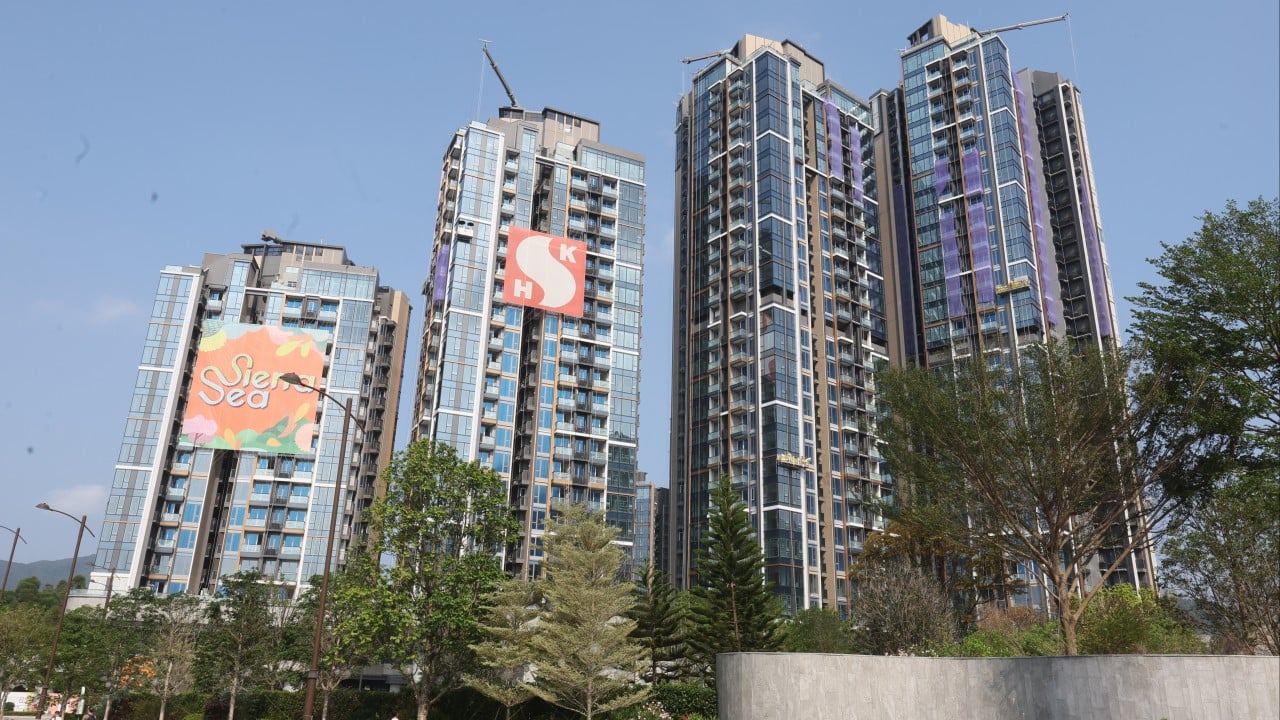
Headline says Sun Hung Kai Properties sold 128 Sierra Sea flats ahead of a possible US interest rate hike. Lazy consensus says buyers are rushing in before borrowing gets more expensive.
Wrong. Completely backwards.
When you spend two decades watching Hong Kong developers move inventory, you learn to read the timing of a launch the way a cardiologist reads an ECG. A developer does not wake up, check the federal funds futures curve, and decide to dump a batch of units out of pure altruism for anxious homebuyers. Developers manage balance sheets, cash conversion cycles, construction milestones, and competitor shelf space.
If you treat a 128-unit tranche sale before a rate move as proof of unshakeable retail euphoria, you are misreading the tape. You are mistaking staged momentum for organic demand.
The Lazy Consensus Around Rate Hikes and Hong Kong Property
Standard real estate reporting loves a clean narrative. Rates might go up. Buyers fear higher mortgage payments. Buyers rush to lock in prices. Developer reports strong sales. Everyone nods and moves on.
That story sounds tidy. It also ignores how Hong Kong's currency peg, bank funding costs, and developer financing actually work.
Hong Kong operates under the Linked Exchange Rate System, pegging the Hong Kong dollar to the US dollar within a tight trading band of 7.75 to 7.85. Because of that peg, Hong Kong interest rates tend to track US rates over time, though the timing and magnitude are never a neat one-for-one mirror. Local liquidity, aggregate balance levels at the Hong Kong Monetary Authority, interbank HIBOR dynamics, and domestic deposit competition all filter how quickly a US rate shift hits a buyer's monthly mortgage bill.
More importantly, prime residential launches in Hong Kong rarely succeed or fail on a single headline about the Federal Reserve. Buyers—especially mainland Chinese purchasers, local upgraders, and yield-hunting investors—weigh rental yields, stamp duty rules, school nets, transit access, project scale, and payment terms. When a major developer like Sun Hung Kai Properties moves 128 flats at Sierra Sea ahead of a potential rate shift, the interesting question is not "Did people buy?" The real question is "What pricing, financing structure, and inventory strategy made those 128 units move right then?"
People Also Ask, Answered Without the Fluff
Does a possible US rate hike automatically trigger a buying rush in Hong Kong property?
No. That premise confuses urgency with volume.
Sometimes a looming rate hike pulls forward a few fence-sitters who were already close to signing. Other times, higher rates shrink mortgage affordability, tighten investor math when rental yields sit below borrowing costs, and force buyers to demand discounts or developer-backed mortgages. Treating every pre-hike batch sale as a stampede ignores how developers pace releases to control price perception.
Why do developers launch or sell batches right before interest rate announcements?
Because timing a release around a macro catalyst gives a developer a ready-made story—and more importantly, lets them test absorption before funding costs potentially tighten.
I have watched developers blow millions on poorly timed releases where they misread buyer stamina, held prices too high, and ended up offering quiet rebates or high-LTV developer loans months later just to clear unsold stock. Moving 128 units cleanly in a defined tranche establishes a reference price and brings cash in the door before refinancing or construction expenses get pricier.
Is buying right before a rate move a smart hedge for homebuyers?
Only if your balance sheet can survive the rate move after the honeymoon period ends.
Too many buyers fixate on locking in a purchase price today while ignoring what happens when promotional low-rate periods roll off or HIBOR resets higher. Saving a tiny bit on entry price means nothing if stretched debt service turns your flat into a monthly cash drain.
What the Headline Misses About Developer Math
Let's strip away the drama of "128 flats sold" and look at how a blue-chip developer actually operates.
In Hong Kong's primary market, a developer rarely throws an entire massive project onto the open market in one chaotic day. They release in carefully calibrated batches. Why? Price discovery and scarcity control.
If you sell 128 units out of a larger development and frame the sale around macro urgency, you achieve three things at once:
- You anchor comparable valuations. Later phases or remaining units get benchmarked against the prices achieved in that tranche.
- You accelerate cash collection. Progress payments from buyers help fund construction and reduce reliance on higher-cost bank debt.
- You clear friction ahead of volatility. If rates do climb and sentiment cools, you already locked in commitments on those 128 units rather than chasing shrinking foot traffic later.
Consider the classic Hong Kong real estate principle articulated over decades by market analysts and seasoned property executives: primary market momentum is manufactured through tranche sizing, initial pricing discounts against secondary comparables, and flexible payment plans. When a developer prices a first wave attractively to create a sell-out headline, the headline itself becomes marketing fuel for the next wave.
Imagine a scenario where a developer releases 128 units at a sharp introductory discount, markets them aggressively ahead of a widely discussed rate decision, and sells them out. A casual reader concludes that buyers are indifferent to rate risk. A sharp insider asks whether buyers bought despite rate risk or because the developer absorbed part of the pain through entry pricing, cash rebates, or staged payment schedules.
The Downsides of Calling It a Trap
Being contrarian feels great until the market runs over your thesis. So let's put the risks of this skepticism right on the table.
First, a contrarian view can make you overthink obvious strength. Sometimes a project genuinely hits the sweet spot—strong location, sensible layout sizes, solid school or transport appeal, and realistic pricing—and genuine end-users buy it because they want to live there, not because they are playing macro chess.
Second, fighting momentum in Hong Kong property has burned plenty of smart analysts. When liquidity is ample or sentiment flips bullish faster than expected, waiting for a "better entry" after a rate hike can mean watching prices stay sticky while you sit on cash earning less than inflation.
Third, macro forecasting itself is humbling. Central bank signals shift, rate hikes get delayed or reversed, and local HIBOR doesn't always move in lockstep with US policy rates. If you assume every pre-hike sale is a trap, you can miss real inflection points when fundamentals actually turn.
A Better Playbook for Buyers and Watchers
If you are watching or participating in the Hong Kong residential market, stop trading headlines and start auditing mechanics.
- Separate tranche volume from project-wide absorption. Selling 128 units is a data point, not a verdict on the entire development or the broader city. Check total remaining supply, price per square foot trends across batches, and whether later units hold or cut prices.
- Stress-test your mortgage past day one. Run your numbers assuming borrowing costs sit higher than today's headline rate. If a 100 to 150 basis point bump breaks your monthly budget, you are stretching too far.
- Compare net effective price, not brochure talk. Look closely at payment terms, stamp duty subsidies, furniture packages, and developer financing options. A "strong sale" built on aggressive incentives tells a very different story from cash-heavy buyers paying full freight.
- Watch rental yield versus financing cost. In any property market, when borrowing costs sit well above net rental yields, pure yield buyers step back and owner-occupiers carry the load. Know which buyer is actually driving the room.
Stop Asking Who Bought Before the Hike
The real question isn't whether 128 Sierra Sea flats sold ahead of a possible US rate hike.
The real question is whether the buyers who signed up can still smile when the rate dust settles—and whether the developer is harvesting peak narrative before the tide turns.



