The legal proceedings following the 2024 White House Correspondents’ Association dinner have moved into a new phase as the primary suspect, a man accused of a violent physical confrontation outside the Washington Hilton, entered a formal plea of not guilty. While the courtroom drama centers on individual culpability, the event itself has exposed a massive fracture in how high-profile political events are secured in an era of heightened public volatility. This was not just a scuffle on a sidewalk. It was a failure of the invisible perimeter that is supposed to separate the nation's most powerful leaders from the raw, unscripted anger of the street.
When the defendant stood before the judge, the proceedings remained dry and procedural. However, the context surrounding his arrest is anything but. The dinner, often mocked as "Nerd Prom," has historically been a night of self-deprecating jokes and black-tie civility. That veneer shattered this year. As guests in tuxedos and gowns attempted to enter the venue, they were met by a gauntlet of protesters whose grievances ranged from international foreign policy to domestic economic collapse. The resulting clash, which led to the charges currently being litigated, marks a definitive end to the idea that the press and the presidency can celebrate in a vacuum.
The Illusion of the Hard Perimeter
Security at the White House Correspondents’ Dinner is theoretically handled by a multi-layered coalition of the Secret Service, Metropolitan Police, and private security contractors. On paper, it is a fortress. In practice, the transition points—the areas where a limousine stops and a guest walks ten feet to a doorway—are becoming the most dangerous ground in Washington.
The incident in question occurred at one of these "soft" entry points. Witnesses describe a scene where the physical distance between high-ranking government officials and protesters narrowed to zero. In this vacuum of space, the alleged assault took place. The legal defense is expected to lean heavily on the chaos of the moment, potentially arguing that the defendant was caught in a crush of bodies or reacting to perceived aggression from security details. This is a common tactic in high-stakes protest cases, but it ignores the fundamental reality that a line was crossed that hasn’t been crossed in decades.
We are seeing a shift in the physics of political protest. It is no longer enough for activists to stand behind a barricade a block away with a megaphone. The goal now is physical proximity. By forcing a physical confrontation, protesters ensure they cannot be edited out of the night's coverage. The man now facing charges is, in many ways, the personification of this new, aggressive strategy.
Legal Strategy and the Burden of Proof
Prosecutors are currently sifting through a mountain of digital evidence. In 2024, there is no such thing as an unrecorded public square. Between body cams, iPhones, and the professional cameras of the news crews on site, every second of the altercation exists from multiple angles.
To secure a conviction, the government must prove intent. They have to show that the defendant didn't just stumble into a reporter or a security guard, but that he actively sought to cause harm. The not guilty plea is a standard opening move, but it sets the stage for a discovery process that will likely involve subpoenaing the internal communications of the protest groups involved. Investigators want to know if this was a spontaneous act of frustration or a coordinated attempt to breach the dinner's security.
The Role of Social Media Echo Chambers
Evidence suggests that the intensity of the protest was fueled by real-time coordination on encrypted apps. This creates a nightmare for law enforcement. When a crowd can shift its weight in seconds based on a Telegram message, traditional police lines become obsolete. The defendant’s defense team will likely argue that their client was swept up in a "mob mentality," a psychological defense aimed at mitigating individual responsibility.
The court will have to decide where the crowd ends and the individual begins. It’s a messy distinction. If the defense can prove that the security response was heavy-handed, they might find a sympathetic ear in a jury pool that is increasingly skeptical of authority.
The Press Under Fire
For the journalists inside the room, the attack was a sobering reminder of their standing in the current cultural climate. For years, members of the press have been treated as proxies for the politicians they cover. This legal case is the physical manifestation of that resentment.
The reporter involved in the scuffle was not a random bystander; they were a target. When a person is charged with attacking a member of the media at an event specifically designed to honor the First Amendment, the irony is thick enough to choke on. The industry is currently grappling with how to protect its people without retreating behind permanent walls. If journalists can’t walk into a dinner without a security detail, they certainly can’t walk into a disenfranchised neighborhood to do real reporting.
A History of Escalation
This isn't an isolated flashpoint. To understand why this plea matters, you have to look at the timeline of the last five years.
- 2020: Protests become increasingly centered on the homes and private lives of public figures.
- 2022: Security spending for media personalities triples in major markets.
- 2024: Physical breaches of high-security events become a recurring theme rather than an anomaly.
The defendant’s actions are part of a trend line that points toward more frequent and more violent encounters. The legal system is being used here as a levee. If the prosecution fails, it sends a signal that the "soft" perimeters of Washington are open season.
The Hilton’s Design Flaw
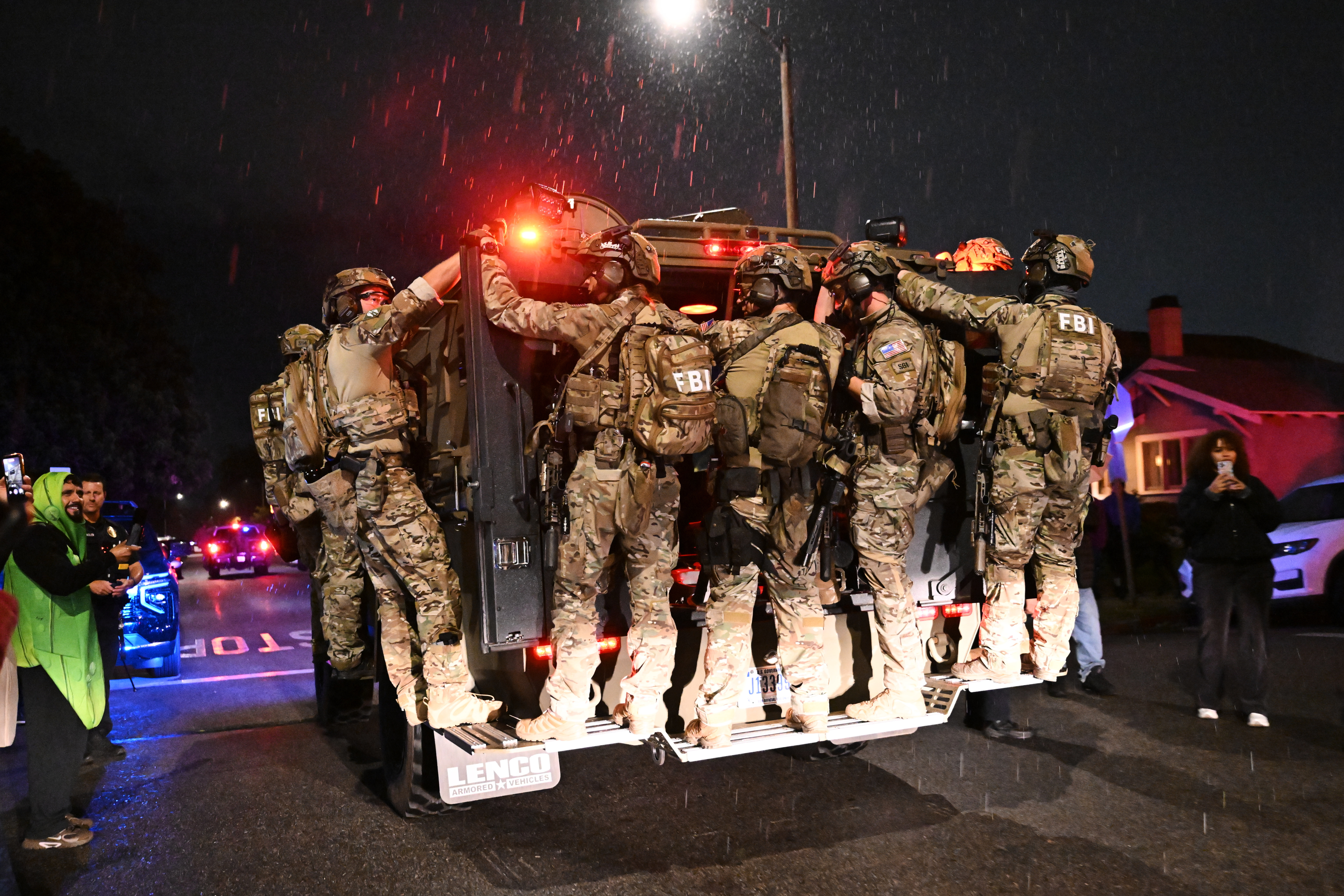
The Washington Hilton, the traditional home of the dinner, was built in a different era. Its sprawling entrance and proximity to public sidewalks make it a logistical nightmare for modern security. While the Secret Service can sweep the ballroom for explosives, they cannot easily control the public air on Connecticut Avenue.
There have been quiet discussions among the White House Correspondents’ Association board about moving the event to a more "defensible" location, such as a military base or a remote convention center. But to do so would be to admit defeat. It would be a visual acknowledgement that the press and the presidency are afraid of the public. So, they stay at the Hilton, and the risks continue to mount.
The "not guilty" plea ensures that this story will stay in the news cycle for months. It forces a discovery process that will lay bare the security failures of that night. We will likely learn exactly how many guards were on duty, what their orders were regarding the use of force, and how close the protesters actually got to the President’s inner circle.
The Cost of Public Access
There is a financial and social cost to these security failures. The bill for the extra police presence alone at the 2024 dinner ran into the hundreds of thousands of dollars. Taxpayers foot much of that bill. Beyond the money, there is the erosion of the public square. Every time a violent incident occurs, the barriers get higher, the fences get longer, and the distance between the governed and the governors grows.
The man in the dock represents a specific kind of modern anger—one that doesn't care about the decorum of a black-tie event. Whether he is convicted or acquitted, the damage to the "Nerd Prom" brand is done. The event can no longer pretend to be a lighthearted night of jokes when the sound of flashbangs and shouting is audible from the red carpet.
The prosecution’s next move will be to present the forensic digital evidence. They will attempt to paint a picture of a man who went to the Hilton not to protest, but to strike. The defense will counter with a narrative of a chaotic, poorly managed event where a citizen’s rights were trampled by overzealous security.
The truth usually lies in the middle, but in a polarized courtroom, the middle is a lonely place. This trial isn't just about one man’s plea; it’s a referendum on whether the elite institutions of American life can still interact with the public without it turning into a crime scene.
If the court finds that the security perimeter was breached due to negligence, expect a massive overhaul of how every major political event in D.C. is handled. We are looking at the possibility of "Green Zones" becoming a permanent fixture of the capital's social calendar. The open-access Washington that journalists have enjoyed for a century is dying, one court case at a time.
The legal system must now determine if the defendant’s actions were an exercise of speech or an act of battery. It is a distinction that will define the limits of protest for a generation. The trial will move forward, the evidence will be tabled, and the reporters will continue to watch from behind increasingly high fences.