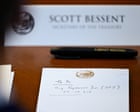
High-stakes economic policy rarely gets broadcast via loose legalpads. During a cabinet meeting at Camp David, US Treasury Secretary Scott Bessent managed to turn an ordinary briefing into a masterclass in unintentional leaks. A photographer zoomed in over his shoulder and captured a handwritten scribble at the top of an official notepad: an underlined instruction to buy between five and ten billion dollars worth of Japanese yen.
Wall Street noticed immediately. For currency traders watching a battered Japanese currency struggle near multi-decade lows, that single line of handwriting answered weeks of speculation.
The Backstory Behind the Memo
You don't just wake up and drop billions into a foreign currency on a whim. The Japanese yen has faced intense downward pressure, driven by stubborn interest rate differentials and macroeconomic shifts. Tokyo authorities spent months burning through reserves to defend their currency from sudden crashes.
When Washington steps in, the dynamic changes overnight. The US Treasury hasn't actively intervened to support the yen since 2011, following the devastating earthquake and tsunami. Bessent's notepad note signaled a radical pivot back toward active currency management. Hours before the photograph hit the wire, market makers reported that the Treasury had quietly instructed major banks to stand ready for potential foreign exchange action.
Markets reacted with predictable violence. Currency pairs shifted rapidly as traders priced in the reality of coordinated central bank muscle.
Why This Intervention Differs From Past Moves
Most government currency interventions happen in secret, accompanied by vague official statements about monitoring disorderly market conditions. This episode stands out because of the clumsy theater surrounding it. Whether the exposure was a careless mistake or a calculated leak designed to rattle short-sellers without spending a dime, it worked.
Scott Bessent brings a hedge fund mindset to the Treasury. He knows how sentiment drives liquidity. When a heavyweight like the United States hints at buying five to ten billion dollars of an asset, speculative traders betting against that asset scramble to cover their positions. You don't always need to deploy the full capital stack if the threat alone alters market behavior.
The Federal Reserve Bank of New York reportedly handled underlying mechanics by selling euros to acquire yen on behalf of the Treasury. This multination coordination shows that currency stability remains a shared priority, even when trade tensions flare up elsewhere.
What Comes Next for Global Markets
If you are trading forex or managing international supply chains, treat this as a loud wake-up call. The era of passive US non-interventionism in currency markets is taking a back seat to pragmatic, aggressive management. Washington is watching import prices, trade balances, and partner stability very closely.
Keep a close eye on Tokyo's subsequent monetary policy choices and further communication from the Treasury. Volatility is here to stay, and the next big policy shift might not be written on a notepad on camera.