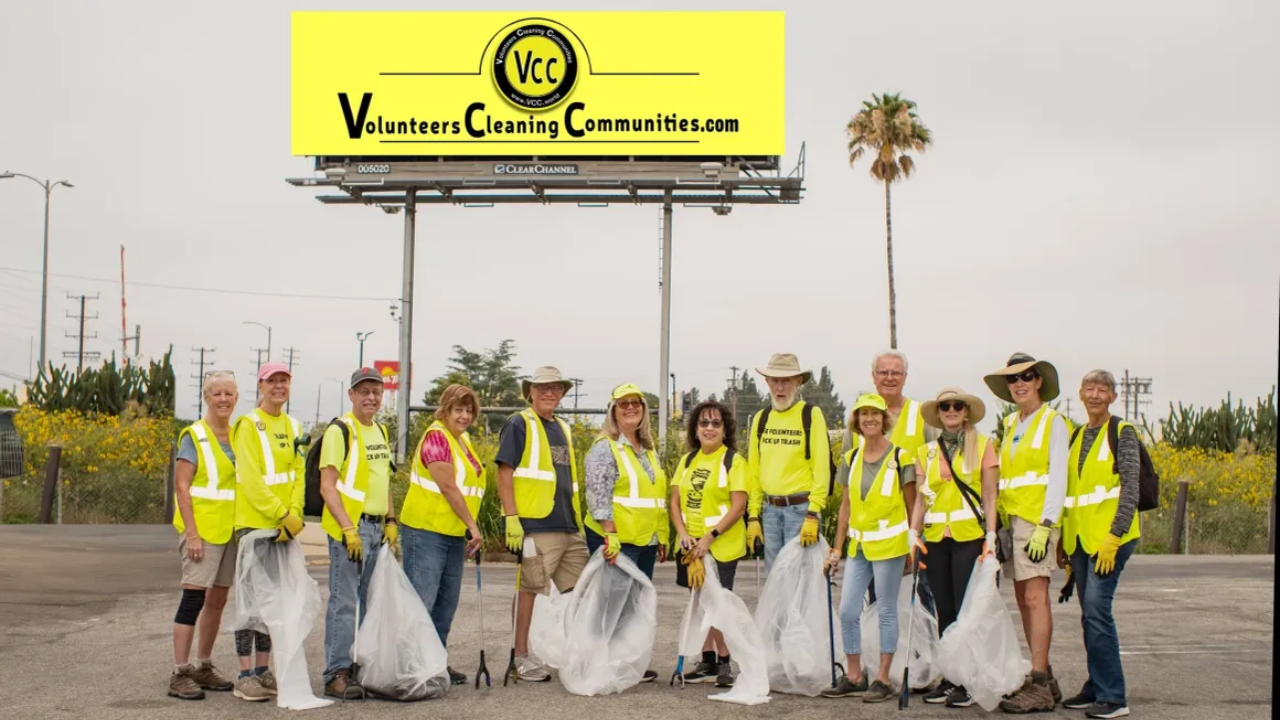
Decentralized volunteer operations typically fail due to two structural failure modes: high coordination friction and linear resource scaling. When an individual attempts to clear environmental debris independently, the output is bounded strictly by human physical capacity. The transition from an isolated individual operating in 2020 to a synchronized collective removing 750,000 pounds of municipal waste demonstrates an institutional transformation from manual labor to systemic network expansion. This case study examines how grassroots environmental remediation can achieve industrial-scale throughput without central capital expenditure.
The Bottleneck of Isolated Remediation
The initial state of any volunteer-driven intervention is characterized by maximum friction. A solitary actor identifying municipal litter operates within severe constraints. Time allocation, equipment acquisition, waste disposal logistics, and geographical routing rest entirely on a single person.
The economic cost function of isolated labor looks like this:
Total Output equals Available Time multiplied by Physical Capacity divided by Operational Friction.
Operational friction includes the time spent sourcing trash bags, locating disposal infrastructure, and absorbing the physical toll of sorting materials. In 2020, an individual actor operating under pandemic-induced isolation absorbed 100 percent of this friction.
When scale remains linear, every additional pound of waste removed requires a proportional increase in human hours. Without network effects, burnout is inevitable because the individual cannot optimize the supply chain of clean-up. The transition from an individual project to an organized group represents a shift in operational architecture from manual execution to platform orchestration.
Decentralized Network Topology and Task Specialization
To bypass the linear scaling trap, the organization restructured its operations into a decentralized mesh network. Instead of top-down command and control, the group adopted modular participation vectors.
The Three Operational Tiers
- Edge Collectors: Autonomous individuals executing localized sweeps within high-density litter zones. They require minimal onboarding, utilizing standard equipment kits provided by the core infrastructure.
- Logistics Hubs: Designated collection points managed by regional coordinators who interface directly with municipal waste management services. This eliminates the individual friction of disposal.
- Data Aggregators: Volunteers tracking weight, material composition, and geographic hotspots. This data loop allows the collective to deploy resources dynamically rather than randomly.
By unbundling the labor process, participants no longer needed to manage the entire supply chain. An edge collector focuses purely on collection efficiency, while municipal partnerships handle the terminal disposal phase. This division of labor reduces per-capita coordination drag, allowing output to scale exponentially relative to administrative overhead.
The Economics of Municipal Waste Offloading
A critical variable in volunteer environmental groups is the interface with municipal infrastructure. Disposing of 750,000 pounds of waste through standard residential channels is legally and logistically impossible. The group solved this by formalizing public-private coordination mechanisms.
Municipalities face an optimization problem: their professional sanitation departments operate on fixed budgets and predetermined routes, creating coverage gaps in parks, riverbanks, and secondary corridors. The grassroots collective acts as an externalized sensing and retrieval network that fills these gaps at zero marginal labor cost to the city.
In return, the municipality provides institutional leverage: waived dump fees, specialized collection dumpsters, and public property access permits. This symbiosis creates a high-yield capital loop. The group trades volunteer labor for municipal infrastructure access, bypassing the prohibitive capital expenditures that would normally stall a commercial cleanup operation.
Friction Points and Operational Vulnerabilities
Despite the massive volume of debris removed, decentralized civic operations carry inherent structural fragilities.
- Volunteer Churn: Because participation is voluntary and uncompensated, retention is volatile. The organization relies on continuous top-of-funnel onboarding to replace natural attrition.
- Quality Control and Sorting Costs: Mixed waste streams decrease recycling efficiency. When volunteers gather commingled trash without sorting at the point of collection, downstream processing costs shift to the organization or its municipal partners.
- Geographical Concentration: Without automated routing algorithms, volunteer distribution tends to cluster in high-visibility areas while remote or ecologically sensitive zones remain neglected.
Addressing these vulnerabilities requires transitioning from purely motivational engagement to systematic operational design.
Deploy historical volunteer data into a predictive routing model to automate weekly cleanup assignments, pairing high-density collection areas with municipal waste pickup schedules to minimize dwell time at staging sites.


