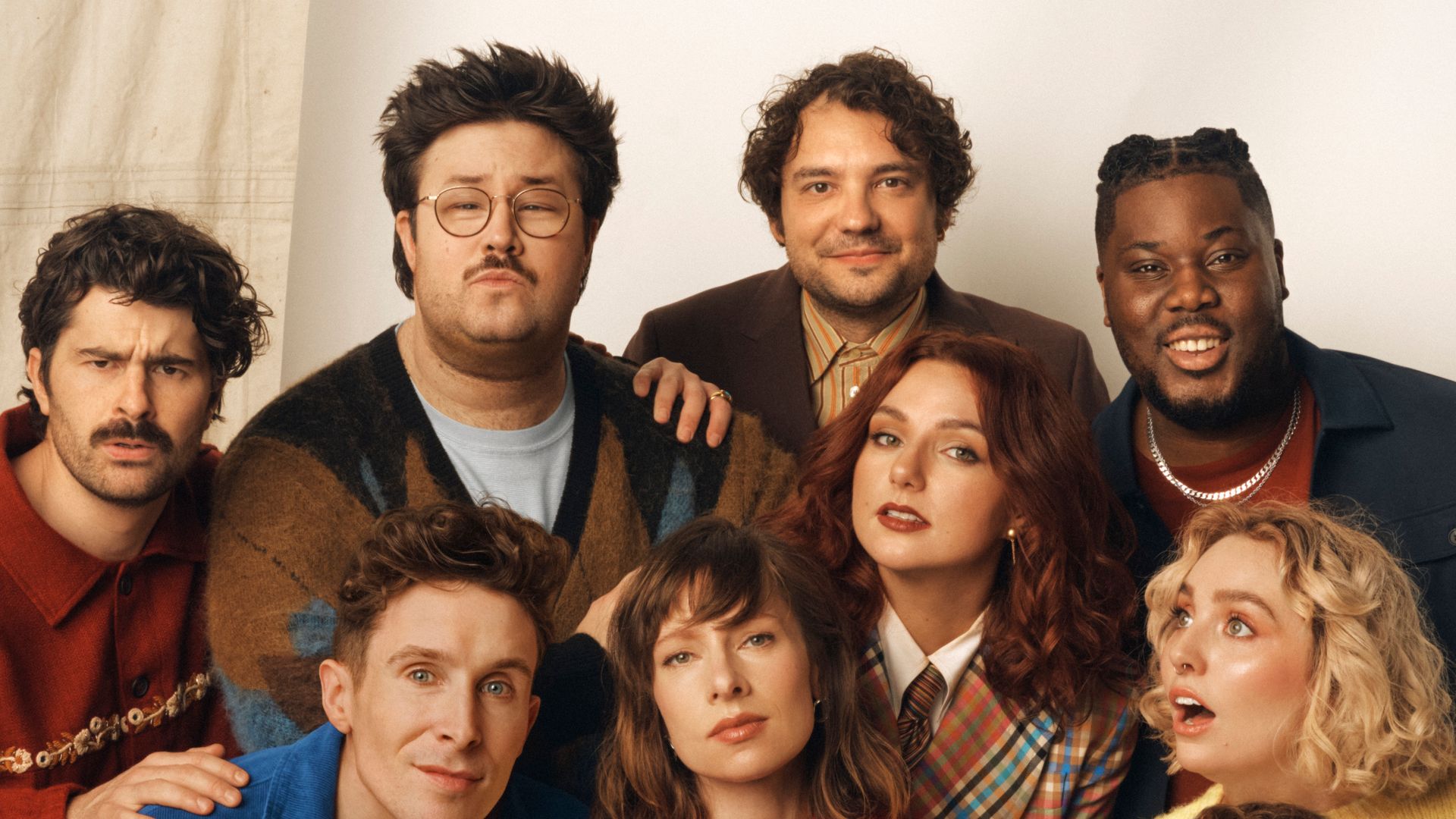
The British television industry is littered with the corpses of American imports that failed to translate across the Atlantic. From the short-lived attempts at late-night talk shows to the awkward structural mismatches of sitcom remakes, the "Special Relationship" usually hits a brick wall when it comes to comedy. Now, Sky is betting millions that it can finally transplant the DNA of Saturday Night Live (SNL) into London’s Studio Works. The cast is assembled, the writers are in place, and the bravado is high. But the real story isn't just about whether a group of talented performers can be funny on a Saturday night. It is about whether the very machinery of American sketch comedy can survive a collision with the British cynical streak and a broadcasting environment that has changed radically since SNL first aired in 1975.
The core premise of the UK reboot relies on a massive assumption. The producers believe that the "naff" reputation of previous British variety attempts is a relic of the past, easily swept away by the prestige and polished format of the NBC powerhouse. The cast, a blend of stand-up circuit veterans and character actors, are currently shielded by the excitement of the launch. Yet, the mechanics of SNL are notoriously rigid. The show operates on a high-pressure, week-long production cycle that turns writers into marathon runners and performers into exhausted vessels for topical satire. In New York, this creates a specific kind of frantic energy. In London, where the comedy scene is traditionally more subversive and less reliant on the "studio system" polish, that same energy could easily curdled into something that feels over-rehearsed and toothless.
The Ghost of Saturday Live
To understand why this move is so risky, we have to look at the 1980s. Channel 4’s Saturday Live was the closest Britain ever got to a spiritual successor to the early SNL years. It gave us Harry Enfield, Fry and Laurie, and Ben Elton. It was raw, politically charged, and felt genuinely dangerous. It worked because it grew out of the "Alternative Comedy" movement. It didn't try to be a polished American variety hour; it was a chaotic response to Thatcherite Britain.
The new SNL UK faces a different problem. It isn’t rising from a grassroots movement. It is a corporate franchise. When you buy a franchise, you buy the rules. The "Cold Open," the "Weekend Update," the musical guest, and the celebrity host are all non-negotiable pillars. The danger is that the show becomes a karaoke version of its American cousin. If the cast spends their time trying to replicate the pacing of a New York writer’s room, they will miss the rhythm of the British public. British audiences have a famously low tolerance for "earnestness," a trait that SNL USA often leans on during its more sentimental moments or political sermons.
The Host Problem
In the US, SNL is a mandatory stop for any A-list star promoting a film. The "Five-Timers Club" is a badge of honour. In the UK, the pool of genuine "superstars" who can also handle live sketch comedy is significantly shallower. The BBC’s Graham Norton Show has cornered the market on the charming celebrity interview, but asking a dramatic actor to perform live satire at 10 PM on a Saturday is a much bigger ask.
If the show relies too heavily on the "influencer" of the week or a mid-tier soap star, the prestige of the SNL brand will evaporate instantly. The investigative reality of modern British TV is that budgets are tightening. Sky has deep pockets, but they are not infinite. A live 90-minute show is an expensive beast to feed. Without the gravity of massive, must-see hosts, the format becomes just another sketch show, and Britain has plenty of those gathering dust in the archives.
Why the Format Might Break
The American SNL functions because it is an institution. It is woven into the fabric of the American political cycle. When an election happens, people tune in to see who is playing the candidates. In the UK, we have Have I Got News For You and The Last Leg. These shows have already occupied the "topical breakdown" space for decades. They do it with a specific, self-deprecating bite that is uniquely British.
SNL UK has to find a way to be topical without feeling like it’s trying too hard. The current cast members are quick to dismiss the idea that the show will be "naff," but "naffness" in British comedy usually comes from a lack of authenticity. It comes from seeing the gears grind. It comes from a joke that feels like it was written by a committee trying to please a broad demographic. The American SNL is a writer-led show, often featuring over 20 writers competing to get a sketch on air. This creates a survival-of-the-fittest environment for jokes. Can a UK production sustain that level of creative churn?
- The Writing Room: UK comedy is often written by small groups or individuals. The "Mega-Room" model is an American export that hasn't always worked here.
- Live Stakes: In an era of TikTok clips and edited-to-perfection YouTube shorts, the "Live" element must be more than a gimmick. It has to be a source of genuine unpredictability.
- Political Neutrality: Ofcom regulations in the UK are far stricter than the FCC rules in the US regarding political balance. This could effectively declaw the show’s ability to take the kind of partisan swings that keep SNL USA relevant in the cultural conversation.
The Audience Gap
We also have to consider who is actually watching. The traditional Saturday night "linear" TV audience is shrinking and aging. Younger viewers consume comedy in ninety-second bursts. If SNL UK is designed to be watched as a full 90-minute broadcast, it might be fighting a war that has already been lost. If it’s designed to be a "clip factory" for social media, the live studio audience experience will feel hollow and disjointed.
There is a tension here between the legacy of the brand and the reality of the 2026 media environment. You cannot simply build a set that looks like Studio 8H and expect the magic to follow. The magic of SNL isn't the set; it’s the sense that anything could go wrong, and often does. British TV has become increasingly risk-averse. For SNL UK to succeed, the producers have to be willing to let the cast fail on air. They have to embrace the mess.
The Talent vs The Machine
The cast members currently doing the rounds in the press are undeniably sharp. They come from the fringe, the improv basements, and the character-heavy corners of the internet. They are the right people for the job. But talent is rarely the reason these reboots fail. They fail because of structural interference.
When a US format is sold, it usually comes with a "bible"—a thick manual detailing exactly how the show should look, feel, and sound. If Sky follows the NBC bible too closely, they will produce a show that feels like a dubbed movie. The slang will be British, the references will be British, but the "soul" will be stuck in midtown Manhattan.
The real test will be the first time a sketch bombs. In the US version, they just pivot to a musical guest and move on. In the UK, the critics are waiting with knives sharpened. There is a certain segment of the British media that wants this to fail simply because it represents the "Americanization" of our culture. To beat that narrative, the show needs to be more than "not naff." It needs to be essential.
The Economics of Laughter
Let’s look at the numbers. A 90-minute live variety show requires a crew of hundreds, a full-time writing staff, a house band, and a revolving door of high-paid talent. In the US, this is offset by massive ad revenue during a prime time slot on a major network. In the UK, Sky is a subscription service. The ROI (Return on Investment) isn't just about viewers; it’s about "brand prestige" and keeping people from hitting the cancel button on their monthly sub.
This puts a different kind of pressure on the creative team. They aren't just trying to be funny; they are trying to justify a massive line item on a corporate balance sheet. When comedy is forced to carry that much weight, it usually loses its edge. The best comedy happens when the performers feel like they’re getting away with something. It’s hard to feel like an underdog when you’re the flagship project for a global media conglomerate.
The Verdict on the "Naff" Factor
The cast is right to be annoyed by the "naff" label, but they are misinterpreting where it comes from. It doesn't come from the performers; it comes from the sincerity of the attempt. Britain is a country that finds sincerity suspicious. The American SNL is deeply sincere about its own importance. It views itself as a cultural lighthouse. If the UK version adopts that same self-importance, it will be laughed at for all the wrong reasons.
The only way to avoid being "naff" is to be weirder, darker, and more chaotic than the original. It needs to lean into the specificities of British life—the mundane frustrations, the regional absurdities, and the crumbling infrastructure—rather than trying to emulate the glossy, high-energy "New York" vibe.
We don't need a British Pete Davidson or a London-based Weekend Update that looks exactly like the American one. We need a show that feels like it could only happen here, at this specific moment in our strange, fractured history. If the producers can't let go of the NBC manual, the show will be a polished, expensive, and ultimately forgettable footnote in TV history.
The cast has the weapons. The question is whether the network will let them actually fire them, or if they’ll be forced to spend the whole night making sure the safety catch is on. Watch the first ten minutes of the premiere. If it starts with a celebrity host telling a self-deprecating story about how much they love London, you’ll know the machine has won. If it starts with something that makes the lawyers nervous, there might be hope after all.
Go to the Sky website and check the live schedule for the premiere date. If you aren't prepared to see a train wreck, you aren't ready for live television.