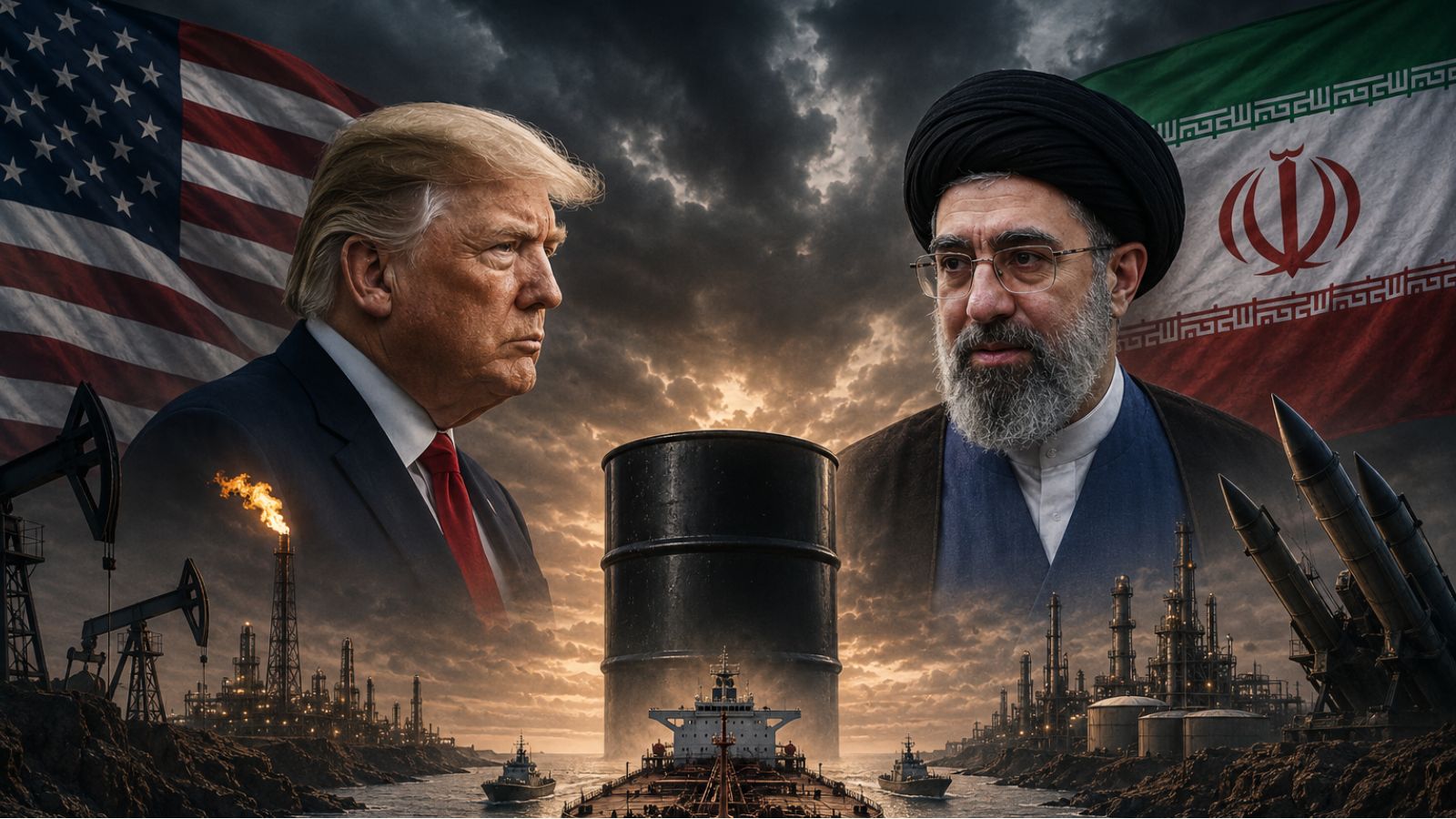
The lazy consensus in foreign policy circles is simple, comforting, and entirely wrong. The mainstream narrative tells a neat little bedtime story: squeeze a nation hard enough with trade embargoes, cut them off from global banking, blockade their shipping lanes, and their economy will buckle. The population rises up, the regime recalculates, and policymakers in Western capitals pop champagne.
Reuters published the classic version of this wishful thinking with their piece on US pressure biting down on Tehran. It sounds authoritative. It features quotes from analysts who spend too much time in Washington think tanks and zero time watching actual supply chains adapt on the ground in the Persian Gulf. In related news, read about: The Breath Inside the Stone.
I have watched sanctions regimes up close for two decades. I have seen corporations spend millions on compliance software only to watch nimble middlemen route crude oil through three shell companies before it ever hits a refinery in East Asia. The standard model of economic warfare assumes a closed loop. It treats a sovereign state with eighty-eight million people like a corporation that can simply file for bankruptcy when cash flow drops.
That is not how sanctioned states operate. They mutate. Reuters has also covered this critical issue in great detail.
The Anatomy of a Broken Metric
Economists measuring Iran through the lens of traditional Gross Domestic Product are looking at a shadow on a cave wall. When the rial crashes against the dollar, Western newspapers treat it as an existential blow. What they miss is the massive, undocumented informal economy that operates outside the banking sector entirely.
Informal Valuta Networks
- Hawala systems bypass SWIFT completely, operating on trust and family networks that predate modern central banking by centuries.
- Barter arrangements allow crude to be swapped directly for infrastructure components, grain, and manufactured goods without a single US dollar changing hands.
- Domestic substitution forces local industries to reverse-engineer components they used to import, creating resilient, albeit inefficient, domestic monopolies.
When you cut off official trade channels, you do not destroy economic activity. You privatize it into the hands of the security apparatus. The Islamic Revolutionary Guard Corps did not lose power under maximum pressure; they expanded their commercial empire. They became the ultimate logistics providers for a sanctioned nation. Every restriction became a tollbooth.
The Energy Paradox
The core flaw in the blockade argument lies in the fundamental physics of global commodity markets. Oil is fungible. A barrel of West Texas Intermediate looks identical to a barrel of Iranian Heavy once it is mixed into a tanker fleet off the coast of Malaysia.
Global demand does not care about Washington executive orders when discounted energy is on the table. Refineries built to process specific sour crudes will always find a way to buy discounted feedstock, especially when inflation is squeezing margins everywhere else.
Sanctions do not stop the flow of goods. They simply introduce a black-market tax that is paid by ordinary consumers while enriching the most corrupt elements of the targeted state.
We treat economic coercion like a precision scalpel. In reality, it is a rusty machete that mangles the middle class while hardening the regime's resolve. The middle class gets crushed by inflation, losing any capital they had to mobilize political dissent. Meanwhile, the ruling elite control the smuggling routes. They have zero incentive to reform because they hold a monopoly on illegality.
What Washington Gets Wrong About Leverage
The fundamental error in the current sanctions playbook is mistaking compliance for capitulation. Western capitals look at falling official export volumes and declare victory, ignoring the quiet shift toward localized self-sufficiency and bilateral non-dollar trade pacts with regional heavyweights.
Every time a country is locked out of Western financial architecture, it builds an alternative. Russia, Iran, and other isolated states are currently constructing parallel clearing mechanisms, digital asset corridors, and bilateral trade agreements that bypass the dollar entirely.
By weaponizing the global financial system too aggressively over the last decade, the United States taught every adversary how to live without it. That is not a victory for containment. That is the slow erosion of the very hegemony that made the sanctions potent in the first place.
Stop reading the headlines about tightening nooses and falling currency valuations. Look at who controls the docks, who profits from the gray market, and who benefits most when the official economy dies and the underground economy takes over.
The pressure isn't telling. It's building the architecture of a completely separate financial world, and we are paying for the construction.