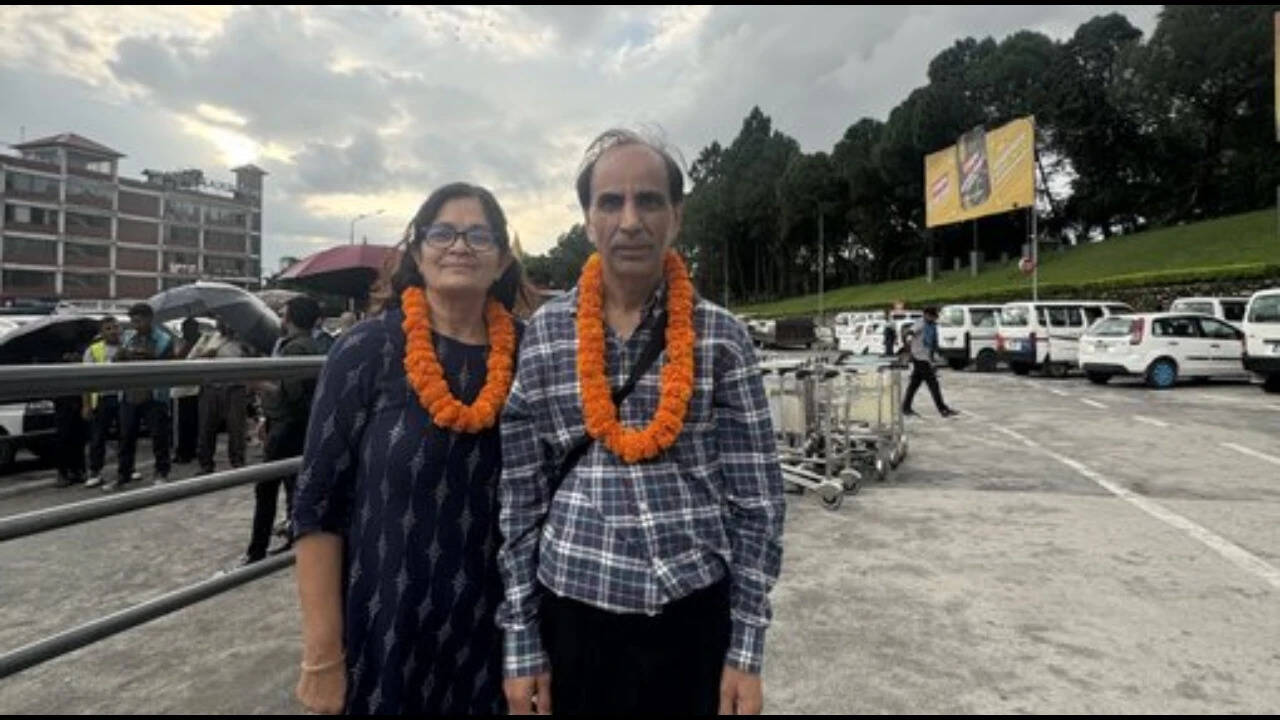
Imagine watching thousands of miles away as your aging parents walk into a disaster zone without warning. That is the exact horror Dr. Radhika Sharma faced. Her parents, Ramesh Sharma, 65, and Neelam Sharma, 64, crossed the Nepal-China border around 8:00 AM on a Wednesday. Just forty minutes later, catastrophic flash floods and landslides tore through the Himalayan region.
They vanished instantly.
What followed was a nightmare of silence. Dr. Sharma, a physician based in New York, called it the worst twenty-four hours of her life. Hundreds of families are now trapped in that exact same agonizing limbo.
Anatomy of a Himalayan Disaster
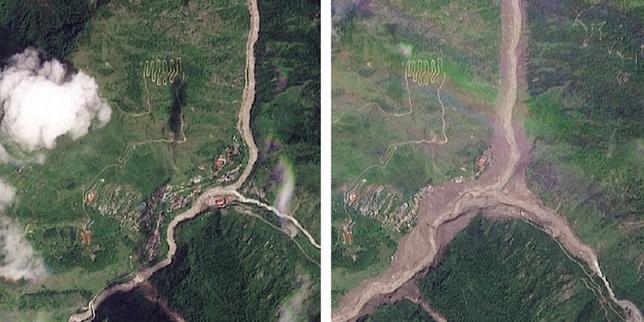
Natural disasters rarely give you a warning shot. In this case, the catastrophe struck the Nepal-Tibet border region with terrifying speed. Reports indicate that an avalanche or ice collapse blocked a major river tributary, creating an artificial dam that ultimately burst. When the wall of water broke, it sent a massive torrent of mud, rocks, and debris crashing down into valleys and settlements like Timure and Rasuwagadhi.
Locals reported zero rainfall in the immediate area right before the disaster. There was no stormy sky to look at, no rising riverbank to spot from a distance. People were simply going about their morning routines. Pilgrims finishing immigration paperwork were caught completely off guard.
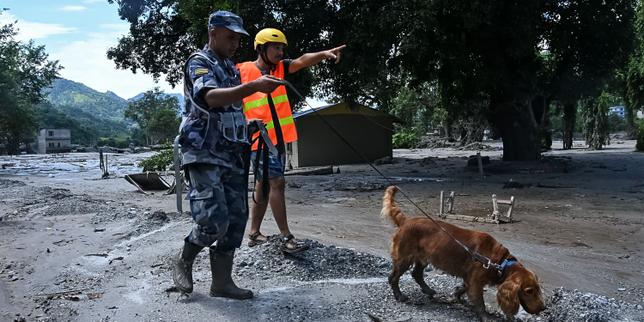
The scale of destruction is massive. Official figures report hundreds of people missing, including dozens of foreign nationals from the United States, India, and other countries. Infrastructure took a brutal hit, too. Dozens of bridges collapsed and miles of vital mountain roads were washed away. That isolation is what makes rescue efforts painfully slow.
The Desperate Social Media Plea
When official channels move too slowly, families take matters into their own hands. Dr. Sharma turned straight to platforms like X and Instagram to pierce through the bureaucratic red tape.
She posted direct details about her parents, begging anyone with boots on the ground in Gyirong, Tibet, or local Nepalese hospitals to reach out. Her strategy relies on decentralized networks. Traditional embassies take hours or days to verify lists of missing persons. Local contacts, hospital workers, and independent guides on the ground can check a face or a name much faster.
It is an increasingly common playbook for modern crises. When governments are overwhelmed, social media becomes the primary lifeline.
The Perils of the Mount Kailash Pilgrimage
Thousands of spiritual travelers journey toward Mount Kailash every year. It is considered one of the holiest sites in Hinduism, Buddhism, and Jainism. Pilgrims cross high-altitude terrain, navigating remote border checkpoints where weather and geography change on a dime.
People forget how fragile mountain logistics really are. A single landslide can cut off an entire valley, turning a routine transit corridor into a trap. Communications drop out immediately when power lines snap. Cell towers go down. Families back home are left staring at tracking apps or messaging groups that show no sign of life.
Governments and tour operators face mounting pressure to improve early warning infrastructure in these high-risk border corridors. Mountain tourism brings vital revenue to the region, but safety protocols often lag behind environmental threats.
What Families Can Do When Disaster Strikes Abroad
If you ever find yourself frantically trying to locate a loved one caught in a sudden international disaster, standard panic won't help. You need a structured approach.
- Contact the local consulate immediately: File a formal missing person report with the U.S. State Department or your respective country's foreign ministry to put official weight behind the search.
- Leverage localized social media groups: Broad posts get lost. Target specific regional community groups, local trekking agencies, and regional news pages on X or Facebook where locals are actively sharing rescue updates.
- Gather precise last-known details: Keep a record of passport numbers, exact hotel names, tour group operators, and the specific time of last contact.
- Connect with other families: Join groups of relatives dealing with the same incident. Information often pools collectively before official lists update.
The search for Ramesh and Neelam Sharma highlights a broader tragedy unfolding across the Himalayas. Behind every statistical update of missing tourists is a family refreshing a phone screen, waiting for a voice that hasn't called back.