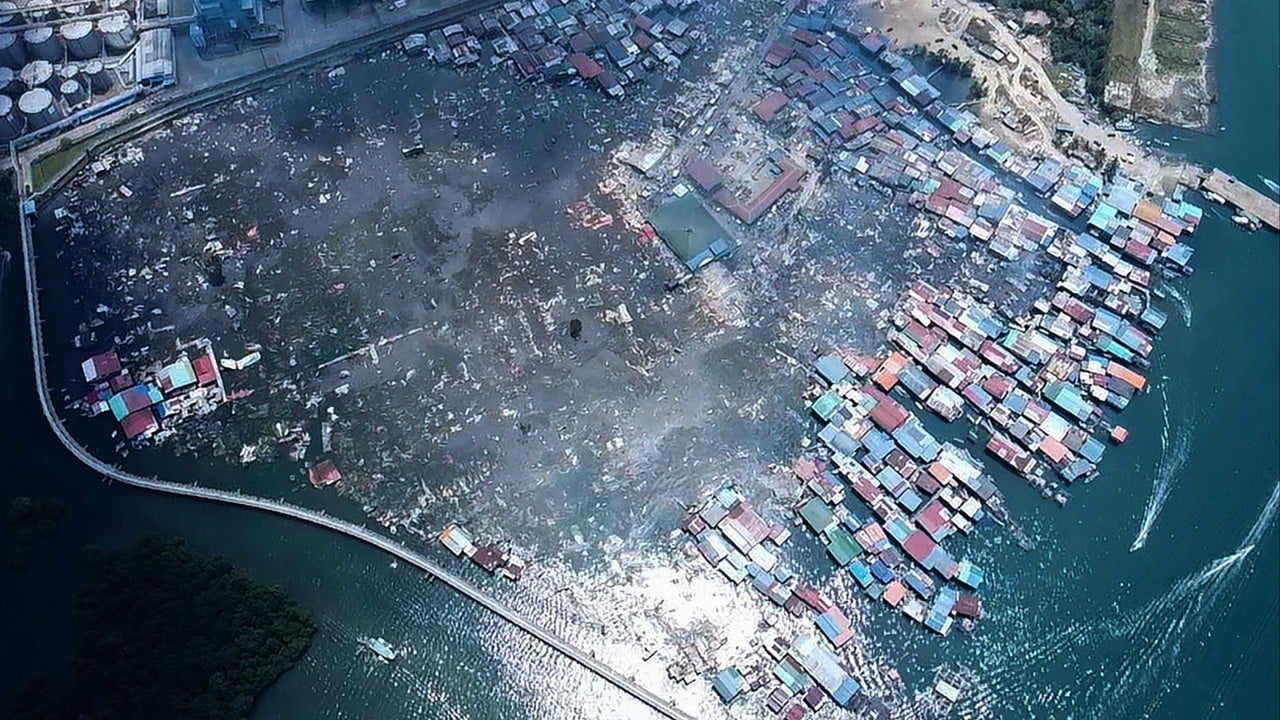
Imagine waking up at 1:30 in the morning to the sound of crackling wood and the smell of thick, oily smoke. For over 9,000 people in Sandakan, Sabah, this wasn’t a bad dream—it was the start of a nightmare. On Sunday, April 19, 2026, a massive fire tore through the Kampung Bahagia water village, wiping out 1,000 homes in a matter of hours.
It’s the kind of disaster that feels inevitable if you’ve ever walked through these settlements. You’ve got thousands of wooden houses built on stilts, packed so tightly together that you can barely see the sky between the roofs. Throw in some strong winds and a receding tide, and you don’t have a neighborhood anymore; you have a tinderbox.
Why the Sandakan Fire Became Unstoppable
The Sabah Fire and Rescue Department got the call at 1:32 a.m. By the time they arrived, the blaze was already a monster. Sandakan district fire chief Jimmy Lagung pointed out a detail that most people don’t think about: the tide. Because it was low tide, the firefighters couldn't just drop pumps into the sea to get water. They were literally standing over the ocean but couldn't touch a drop of it to save the houses above.
It wasn't just the water. These villages are famous for their narrow, winding wooden walkways. Great for a scenic photo, but a death trap for emergency response. Fire engines can't get in. Heavy equipment is useless. Firefighters had to drag 1,000-foot hose lines across unstable platforms while the wind whipped embers from one roof to the next.
By the time they brought it under control at noon, four hectares of the community were gone. That’s about 10 acres of history, family memories, and shelter turned into charred poles sticking out of the mud.
The Human Cost of the Kampung Bahagia Disaster
The numbers are staggering: 1,000 homes destroyed and 9,007 people displaced. That's a whole town’s worth of people suddenly without a bed, a kitchen, or a roof. While it’s a miracle that no deaths were reported, the "no casualties" headline doesn't tell the full story of the trauma.
Many of these residents belong to Sabah’s most vulnerable groups—indigenous families and stateless individuals who don’t have a "Plan B." When your house on stilts burns down, you don't just call an insurance agent. You lose everything you own because you likely didn't have a bank account or a safety net to begin with.
Prime Minister Anwar Ibrahim has promised federal aid, and the Sandakan Municipal Council has declared a formal disaster. But let’s be real: temporary shelters are just that—temporary. The real challenge starts when the news crews leave and 9,000 people are still sleeping on gym floors in community centers.
A Pattern of Burning
This isn't an isolated incident. If you look at the track record in Sabah, these "water village" fires happen with terrifying regularity.
- February 2026: Nine houses gone in Semporna.
- March 2026: Another fire in Semporna destroys five more homes and several shops.
- April 2026: The Kampung Bahagia catastrophe.
We keep treating these as freak accidents. They aren't. They’re the result of a housing crisis that forces the poorest people into the most flammable environments possible. The wooden architecture is traditional and beautiful, but in a modern, high-density setting, it's a structural hazard.
What Happens Now
The Sandakan Municipal Council President, Walter Kenson, has already declared the area unsafe for occupation. This is the right move for safety, but it leaves 9,000 people in limbo. Where do they go? You can't just rebuild the same fire trap and hope for better luck next time.
If you’re looking to help or want to know how the recovery is moving, keep an eye on these immediate needs:
- Emergency Supplies: Local NGOs are currently calling for clean water, dry food, and hygiene kits.
- Document Recovery: Since many residents are stateless or from marginalized groups, losing physical ID papers is a legal catastrophe. Mobile government units need to be deployed to fast-track document replacement.
- Long-term Planning: There has to be a conversation about fire breaks and pressurized hydrants in these settlements. If we’re going to keep these "floating" communities, they need 21st-century safety standards, not 19th-century infrastructure.
Don't wait for the next big blaze to check your own community's fire readiness. If you're in a high-density area, make sure you know your evacuation route and have a "go-bag" ready. It sounds paranoid until the smoke starts coming through your floorboards.