Sanctions were supposed to choke off Moscow's energy revenues for good. Instead, a parallel maritime network is quietly rewriting how liquefied natural gas moves across oceans. You see, the energy trade is undergoing a massive, secretive transformation right now.
Moscow isn't just relying on aging oil tankers anymore. A specialized dark fleet for gas is scaling up fast, and most people have no idea how it works or why it threatens global maritime safety.
The Anatomy of the Gas Dark Fleet
Building a shadow network for crude oil was straightforward. Thousands of old tankers exist worldwide, and swapping out Western insurance for opaque coverage is easy. Gas is entirely different. Moving super-chilled methane requires hyper-sophisticated engineering, cryogenic containment systems, and specialized crew training.
Yet, the fleet keeps growing.
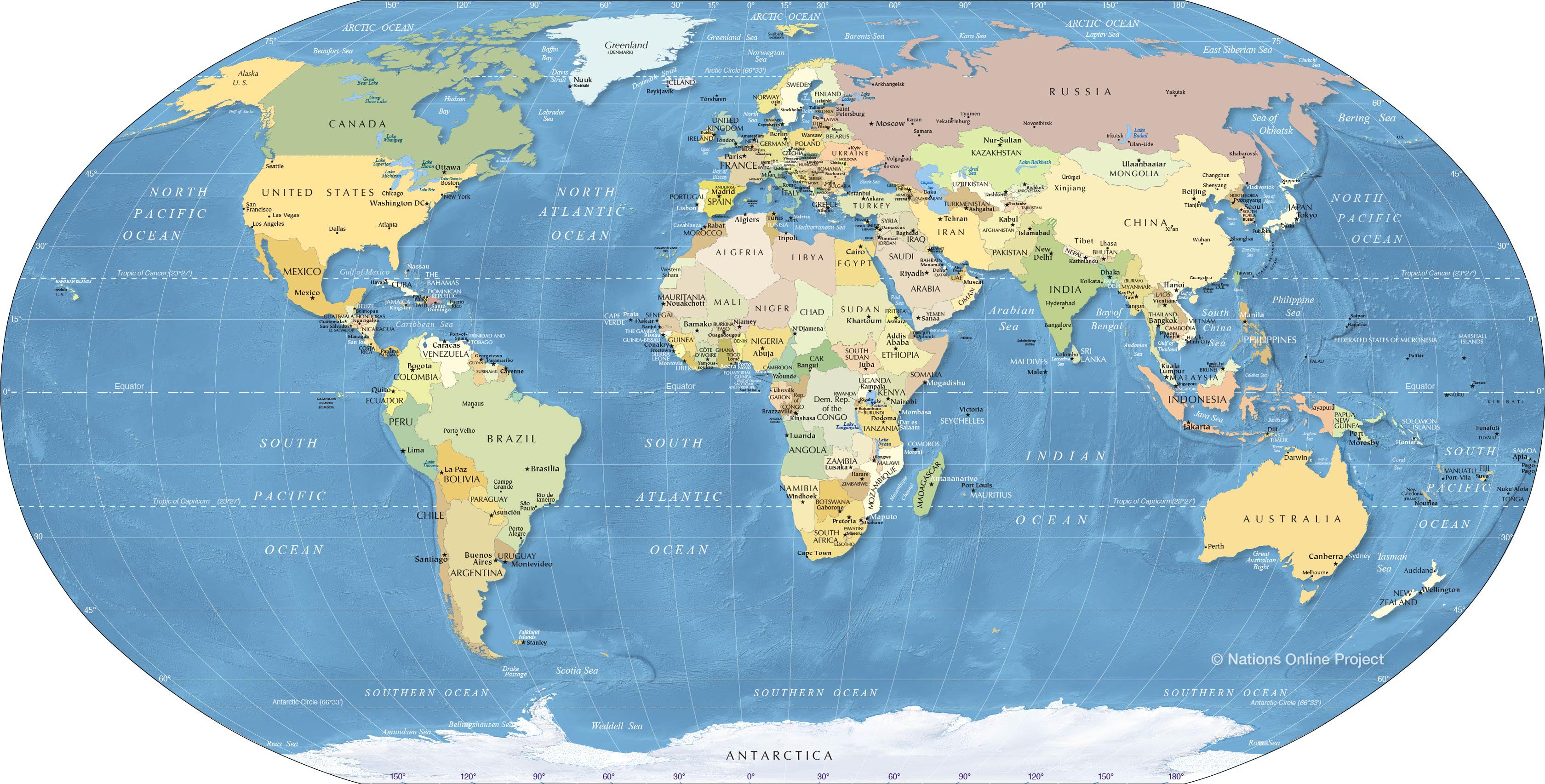
Recent tracking data shows at least twenty vessels operating in this parallel ecosystem, carrying shipments from sanctioned ventures like Arctic LNG 2. Ships like the Kosmos, Mercury, Orion, and Luch didn't appear out of thin air. They shifted away from regular commercial routes—such as operations in Oman—and re-registered under shell companies in places like Hong Kong or Russia. They changed flags, obscured their ownership paths, and sailed north toward the Norwegian coastline to load up near Murmansk.
This isn't a temporary workaround. It's a permanent structural shift in maritime logistics.
Why Arctic Waters Are Becoming a High-Risk Zone
Geography makes this expansion uniquely dangerous. The Saam floating storage unit near Murmansk serves as a primary hub for reloading these sanctioned gas cargoes. From there, vessels navigate sensitive Arctic environments where ice-breaking capabilities are mandatory for large portions of the year.
When you combine harsh northern weather with aging vessels built twenty years ago, disaster risks skyrocket. Standard operators use strict safety protocols and reliable P&I club insurance. Shadow operators use obscure corporate entities with zero transparency. If an incident happens off the coast of Norway, who pays for the cleanup? Nobody has a good answer.
Western regulators keep tightening screws—evident in sweeping packages targeting financial channels and maritime services—but enforcement in icy international waters remains an absolute nightmare.
The Asian Pivot and Long-Term Market Realities
Europe is aggressively phasing out Russian gas imports, which means these shadow carriers have one primary mission: hauling fuel over much longer distances toward Asian buyers. Longer routes mean higher shipping costs, but high global demand makes the venture profitable enough to sustain the risk.
Shippers are adapting by executing complex ship-to-ship transfers at sea, turning off transponders, and engaging in flag-hopping to stay one step ahead of maritime authorities.
If you track global supply chains, you have to accept that sanctions rarely stop a commodity from flowing; they only change the plumbing. Moscow's expanding fleet proves that determination, paired with opaque corporate structures, can bypass the most stringent trade barriers ever built. Keep an eye on secondary ports and transfer zones, because that is where the real battle over modern energy architecture is being fought right now.