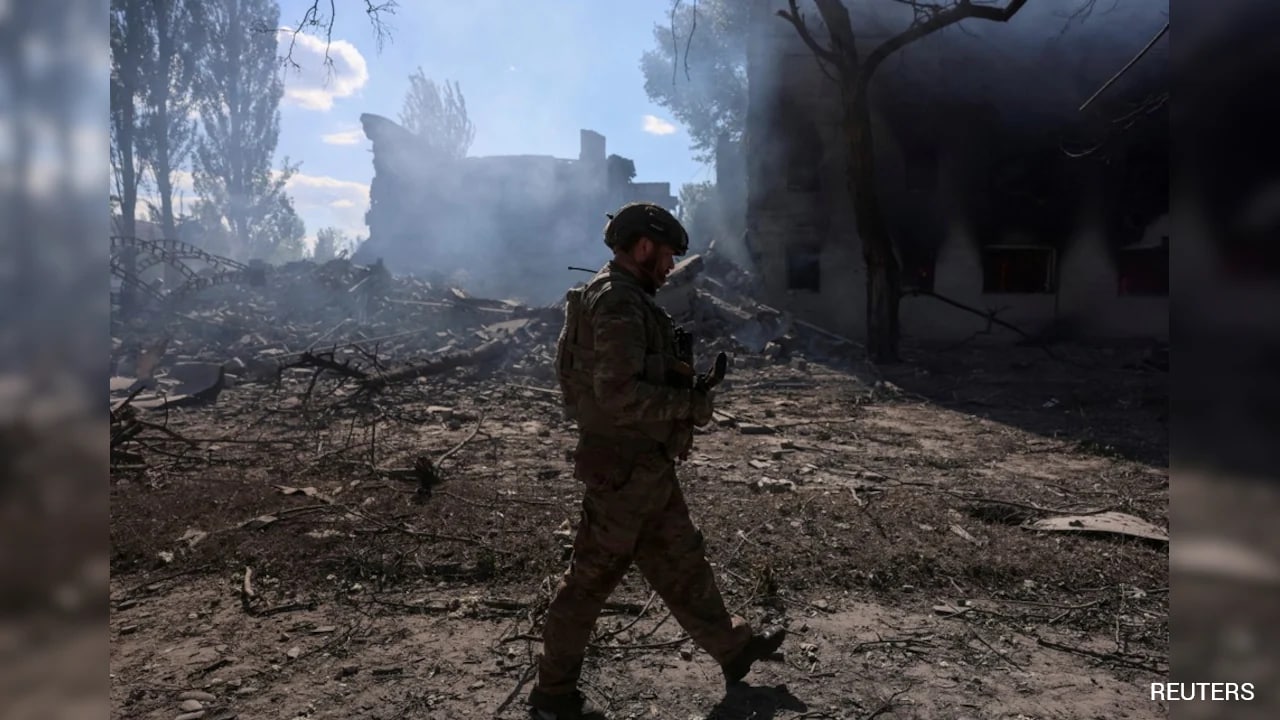
Sexual violence in military conflicts isn't an uncontrolled byproduct of chaotic frontlines. It's a calculated, institutionalized strategy. When international investigators document the ongoing war in Ukraine, a grim architecture emerges. Russian armed forces and security services deploy sexual torture not as random acts of rogue soldiers, but as an organized tool of psychological subjugation and state policy.
The United Nations placed Russian armed forces on its annual "List of Shame" for conflict-related sexual violence, marking the first time Moscow has been officially blacklisted for these specific atrocities. Hundreds of verified cases highlight a horrifying reality: civilian populations and detained prisoners face systematic abuse designed to break human dignity.
The Reality Behind the Numbers
Data from human rights monitors and UN reports reveal a brutal spectrum of crimes. Documented abuses include gang rape, forced nudity, severe genital mutilation, and electric shocks directed at both male and female captives.
Many assume these crimes target exclusively women in occupied residential areas. Yet, extensive documentation from detention centers paints a wider, more chilling picture. A significant portion of documented victims are men, particularly prisoners of war held in Russian-controlled facilities. Former captives describe horrific conditions where sexual abuse is used routinely during interrogations to extract information or exact psychological destruction.
The intent is clear. It's about total domination. By stripping away bodily integrity, perpetrators aim to shatter the social fabric of communities and demoralize an entire nation.
Beyond the Frontlines: Detention Centers as Torture Chambers
The brutality doesn't stop at occupied towns or active combat zones. A vast network of filtration camps and official penal institutions acts as a secondary front.
Investigative findings from organizations like the United Nations Human Rights Monitoring Mission show that detainees—including local officials, journalists, civil servants, and ordinary citizens suspected of pro-Ukrainian views—face enforced disappearances and systemic torture. Within these walls, sexual violence functions as a primary interrogation instrument.
Testimonies gathered from survivors outline a harrowing environment. Inmates experience prolonged isolation, beatings, and targeted sexual mutilation. The command structure often turns a blind eye or explicitly authorizes the abuse, pointing to an institutional green light for war crimes.
Why Accountability Remains Elusive
Documenting these crimes is an uphill battle. Russia routinely denies international investigators access to occupied territories and detention facilities. Survivors often stay silent due to deep trauma, societal stigma, and fear of retaliation.
International law is explicit. The Geneva Conventions, the Rome Statute, and multiple UN Security Council resolutions classify rape and sexual torture as war crimes and crimes against humanity. Translating legal definitions into actual courtroom convictions remains painfully difficult. Gathering contemporaneous forensic evidence in an active war zone presents logistical nightmares.
Justice requires more than symbolic blacklists. It demands sustained international pressure, unfettered access for investigators, and survivor-centric legal frameworks that prioritize long-term psychological and medical support. Ignoring the systemic nature of these crimes guarantees they will be repeated.
For a detailed breakdown of the UN findings and ongoing international investigations into these atrocities, watch this analysis on Sexual Torture As A Weapon Of War UN Findings.
http://googleusercontent.com/youtube_content/1