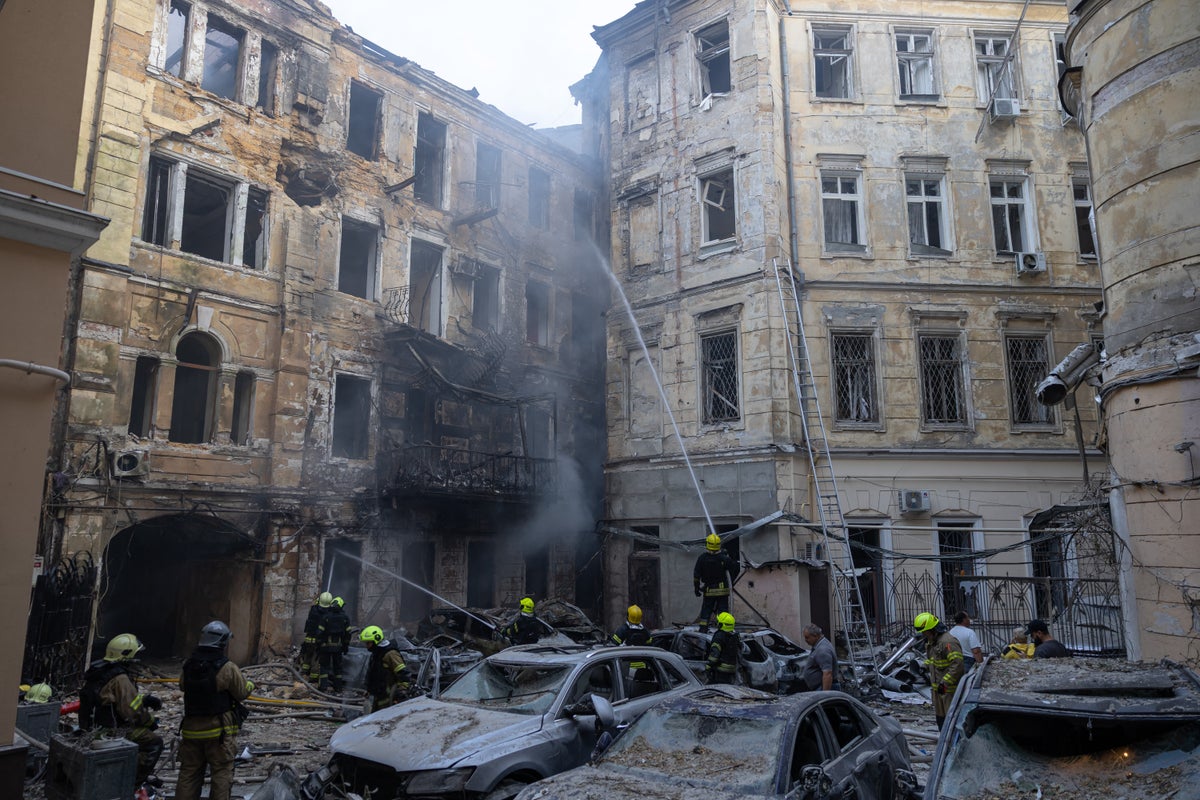
The war between Russia and Ukraine has long since moved past the trench lines and contested fields of the Donbas. It has evolved into a brutal logistics game. Both sides are actively trying to starve each other's economies and military supply lines. If you look past the daily casualty reports, you will see a systematic campaign targeting the warehouses, fulfillment centers, and distribution networks that keep both nations functioning.
Ukraine's recent deep-strike drone campaign targeting massive Russian e-commerce facilities like Wildberries marks a drastic shift in strategy. Kyiv isn't just hitting oil refineries or military bases anymore. They are striking the commercial heartland of Russia to disrupt the dual-use items flowing to the frontline. Meanwhile, Moscow continues its relentless barrage against Ukrainian postal depots, food storage, and manufacturing sites. This war of attrition is hitting ordinary citizens right in their daily routines.
The Logistics War Hits Home
For months, Ukrainian long-range drones have targeted facilities belonging to Wildberries, often called the Russian equivalent of Amazon. Over a dozen of these massive distribution hubs have caught fire or suffered severe structural damage. Why are e-commerce warehouses legitimate military targets in the eyes of Kyiv?
The answer lies in what is being shipped. While millions of Russians use these platforms for clothes, books, and household goods, investigators and Ukrainian intelligence have documented items like body armor, radios, and technical components flowing through the exact same supply chains. Some products listed on these sites have even carried tags marking them as choices for fighters involved in what the Kremlin calls the special military operation.
When a warehouse burns down in Yekaterinburg, St. Petersburg, or near Moscow, the economic shockwaves are immediate. Hundreds of thousands of independent sellers rely on these networks to make a living. By bringing the reality of the war thousands of kilometers deep into Russian territory, Ukraine aims to crack domestic apathy and disrupt the logistical flow supporting Putin's war machine.
The High Cost of Dual-Use Infrastructure
Targeting civilian-facing commercial infrastructure comes with massive risks and a devastating human toll. Recent strikes on logistics hubs and industrial zones near Moscow and other regions have resulted in civilian casualties, proving that economic warfare is inherently bloody.
On the other side, Russia has maintained a steady campaign against Ukraine's vital supply networks. Facilities belonging to Nova Poshta, Ukraine's largest private postal and delivery service, have repeatedly absorbed Russian missile and drone strikes. Food storage depots, grain silos, and small manufacturing plants across Ukraine face daily threats.
Vladimir Putin recently chaired a security council meeting focused heavily on tightening the physical protection of critical infrastructure across Russia. But defending thousands of sprawling distribution centers against swarms of cheap, long-range drones is nearly impossible. As long as supply chains are being used to feed the war effort, neither side's economic backbone is safe.
Check your local updates and independent monitoring groups to track how these logistical bottlenecks continue to shift the momentum on the ground.
Wildberries warehouse targeted in Ukraine war
This video provides an overview of the recent drone strikes hitting major logistics facilities and retail warehouses during the conflict.
http://googleusercontent.com/youtube_content/1