No, Kim Jong Un isn't dead. And no, his sister Kim Yo Jong hasn't staged a secret palace takeover either.
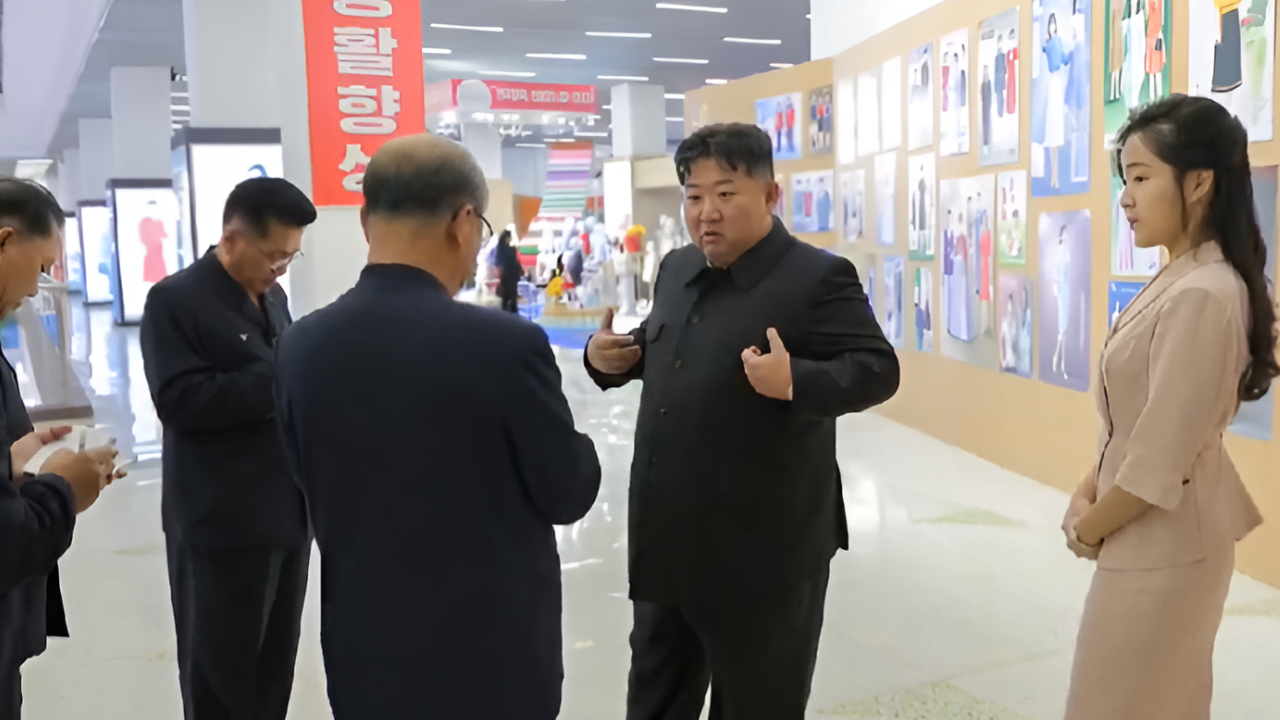
Every time North Korea's supreme leader goes quiet for a week or two, social media erupts like a powder keg. In October 2026, viral posts claimed Kim suffered a brain hemorrhage, slipped into a coma, needed emergency specialists from Peking Union Medical College Hospital, or had 9,000 Chinese troops sent to Pyongyang to keep the lid on. Then state media dropped fresh images and footage showing Kim touring Pyongyang's Garment and Footwear Exhibition with his daughter, Ju-ae—inspecting pink shoes, gesturing to officials, and looking very much upright.
If you've watched this movie before, you know why it feels so familiar. We've seen viral panic over Kim's health flare up repeatedly—most famously in spring 2020—only for state outlets to roll out routine public appearances and leave rumor-mongers scrambling.
Why Kim Jong Un Health Rumors Spread So Fast
North Korea runs on information scarcity. When Pyongyang doesn't publish photos of its leader for eight days—as happened between his October 11 museum appearance and the October 19 exhibition coverage reported by state media—the vacuum gets filled instantly.
Speculation thrives where verification is nearly impossible. Outside observers rarely get real-time medical records, independent hospital logs, or unscripted access inside Pyongyang. Social media algorithms reward certainty over caution, so a dramatic claim on X about a brain hemorrhage or a secret Beijing hospital transfer travels ten times faster than a boring reminder that state media schedules fluctuate.
There's also a grain of real concern mixed into the noise. South Korea's National Intelligence Service briefed lawmakers in late September 2026 that Kim weighed roughly 140 kilograms (about 309 pounds) and carried heightened cardiovascular risks linked to severe obesity. When intelligence agencies talk openly about weight and heart risk, online commentators stretch genuine health vulnerabilities into full-blown death certificates.
What Those New State Photos Actually Prove
Here's the catch that a lot of headlines gloss over: state media photos show activity, not airtight proof of timing or medical condition.
When Korean Central News Agency (KCNA) and Korean Central Television roll out coverage of Kim at a garment and footwear expo alongside his daughter Ju-ae, the visuals do two things at once. First, they project continuity and domestic normality. Second, they counter outside chatter without Pyongyang ever needing to dignify the rumors with a direct press conference.
Still, smart Korea-watchers treat state releases with healthy skepticism. Independent analysts note that official photos and broadcast clips don't by themselves independently verify the exact date a visit occurred or offer a clinical exam of a leader's health. State media curates optics deliberately. A photo of Kim bending over a shoe display or talking with aides tells you the regime wants him seen—not that every detail of the surrounding narrative is settled.
Kim Yo Jong and Succession Talk Are Rarely That Simple
Whenever rumors paint Kim as incapacitated, Kim Yo Jong's name pops up right on cue. She has long been one of the sharpest, most visible messengers in Pyongyang's leadership circle, frequently issuing blistering statements on inter-Korean affairs.
Yet treating every rumor spike as a sister takeover misses how power works in North Korea. The Kim family dynasty has survived for decades through tight institutional control, party hierarchy, and careful messaging—not overnight coups sparked by viral internet threads. Even when Kim Yo Jong warns of a "grave situation" along the border with South Korea, that's classic regime pressure politics rather than proof she has seized the throne.
Meanwhile, recent state appearances have also kept spotlighting Kim's daughter, Ju-ae, at major events. Succession in Pyongyang is a slow-burn political puzzle full of signals and misdirection, not something strangers on social media can decode from a handful of reposted clips.
Lessons From Past False Alarms
If you want perspective on why October's scare looked so familiar, look back at 2020. During a roughly three-week stretch out of the public eye that spring, rumors of grave illness, surgery, and possible leadership shifts swirled across global media. When Kim reappeared in state coverage, the narrative collapsed—and even former defector-turned-lawmaker Ji Seong-ho later apologized after claiming high certainty that Kim had died following cardiovascular surgery.
That history teaches a simple rule: high confidence from anonymous accounts or unverified posts is a warning sign, not a scoop. Even seasoned observers with real sources get burned when rumor cycles feed on themselves.
What to Do Next When Rumors Spike
Next time you see dramatic claims about Kim Jong Un's health or a sudden shakeup in Pyongyang, slow down before hitting repost:
- Check for corroboration beyond social media: Look for reporting from established news agencies like the Associated Press or specialized outlets such as Korea JoongAng Daily that explicitly note what is verified versus unverified.
- Separate public appearances from medical certainty: Remember that state media photos show a staged public moment, not independent verification of exact timing or health status.
- Watch official intelligence and diplomatic signals: Pay attention to measured assessments from South Korean intelligence or regional governments rather than viral troop or hospital claims that lack evidence.
- Give a quiet stretch a few days: Short gaps between public appearances happen regularly in Pyongyang's media calendar, so wait for real evidence before buying into a crisis.