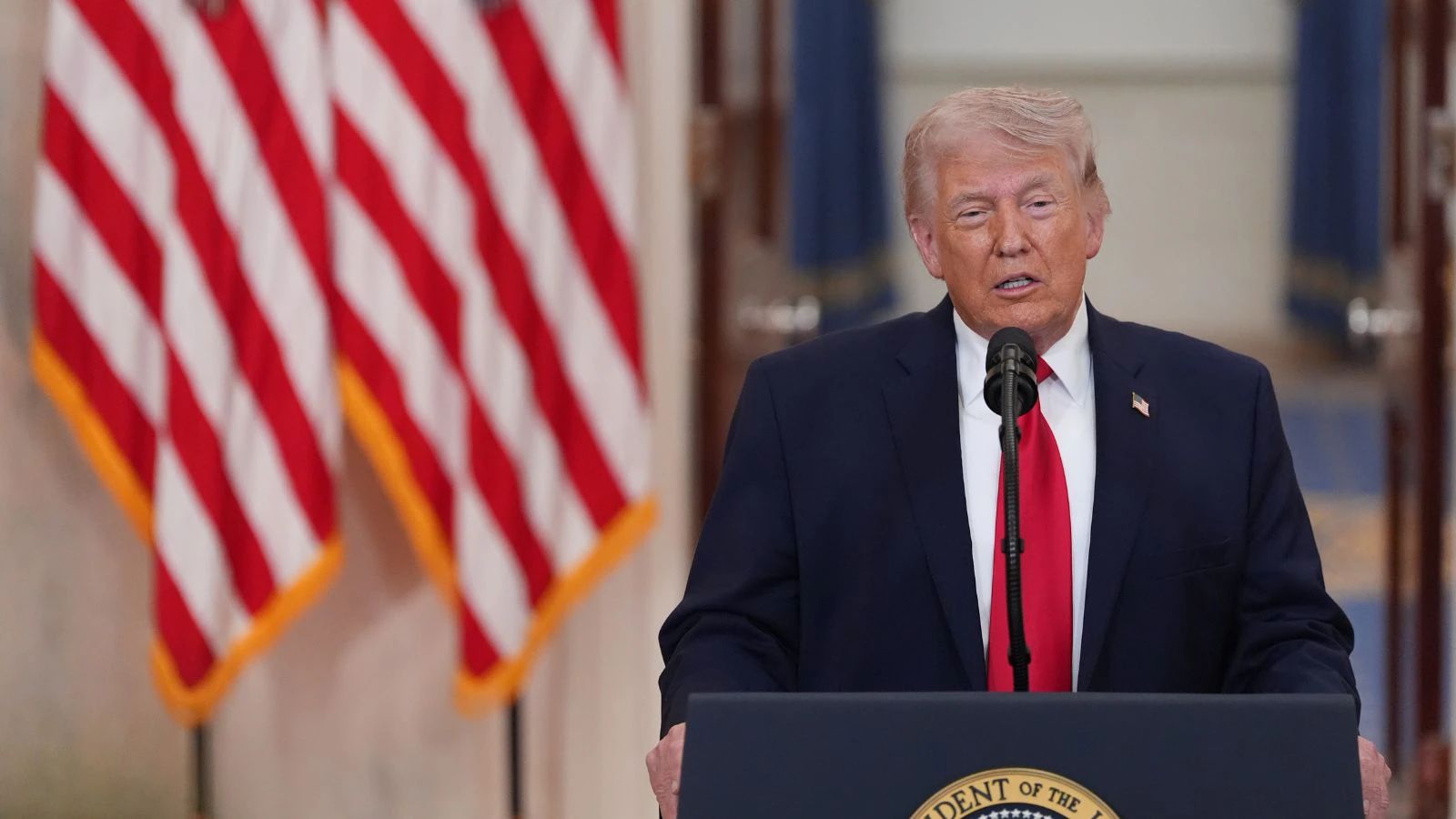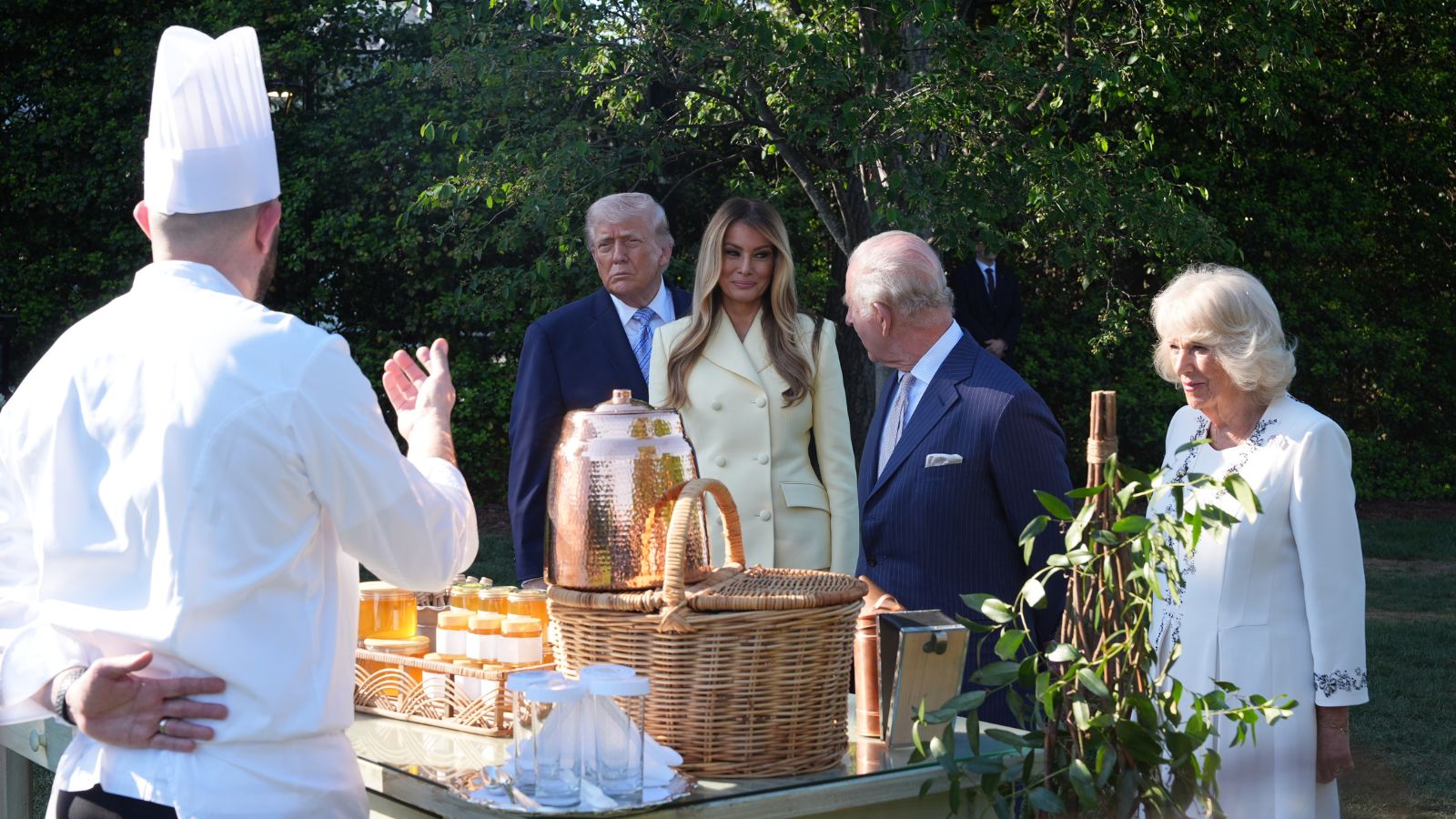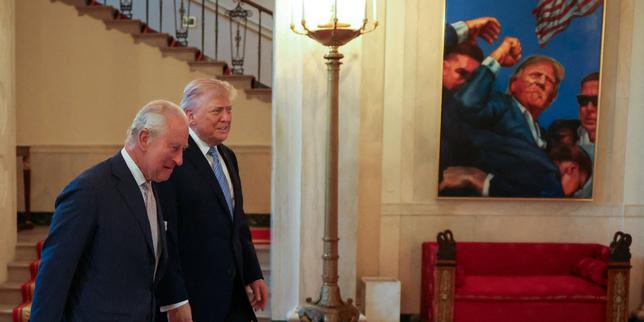
The media is obsessed with the optics. They see Charles III and Donald Trump at the White House and they see a "historic summit." They see a King surviving a brush with violence at a press gala and they see "resilience." They are looking at the wrong map.
While the mainstream press chases the adrenaline of a near-miss shooting and the pageantry of a state visit, they ignore the structural decay of these interactions. Most analysts treat royal visits like high-stakes chess. In reality, it’s closer to a game of Go played by people who don't know the rules. We are watching the slow-motion collision of a fading constitutional ideal and a populist whirlwind. If you think this meeting was about "stabilizing the Special Relationship," you’ve been sold a bridge.
The Myth of the Royal Buffer
The lazy consensus suggests that a British monarch acts as a stabilizing force—a "soft power" anchor that keeps the U.S.-UK relationship grounded when political winds shift. This is a fairy tale.
In the modern era, the monarch isn't a stabilizer; they are a political lightning rod with no ground wire. When King Charles sits down with a figure as polarizing as Donald Trump, he isn't smoothing over differences. He is providing a backdrop of legitimacy for a domestic American political narrative that the British public—and the UK government—often finds repellent.
I’ve watched diplomats spend years crafting "neutral" itineraries only to see them incinerated by a single unscripted remark or a poorly timed photograph. The "Special Relationship" doesn't live in the East Room. It lives in intelligence sharing, the Five Eyes network, and military procurement. The King’s presence is decorative. It’s the expensive wallpaper in a room where the actual business is done by people in rumpled suits who don't have titles.
The Security Theater Fallacy
Let’s talk about those shots fired at the press gala. The narrative was instant: "The King is safe, democracy continues."
This focus on the individual safety of the monarch misses the broader systemic failure. We are entering an era of "asymmetric diplomatic risk." When a head of state travels to a country currently experiencing high levels of domestic political volatility, the host nation’s security apparatus is often more focused on internal threats than the visiting dignitary.
The press treats the gala incident as a random act of chaos. It wasn't. It was a symptom of a deep, structural instability in the American civic fabric. Sending a King into that environment isn't a show of strength; it’s an unnecessary gamble with a nation’s most prominent symbol. If the UK government actually valued the monarchy as a long-term asset, they would stop using it as a prop for photo-ops in volatile political climates.
The Cost of Continuity
Everyone loves to cite the "E-E-A-T" of the monarchy—Experience, Expertise, Authoritativeness, and Trustworthiness. They argue that because the King has been in the public eye for seven decades, he possesses a unique diplomatic "superpower."
This is an oversimplification. Expertise in ceremony is not expertise in geopolitics.
- The Neutrality Paradox: A King must be neutral. A President is inherently partisan. When they meet, the President consumes the King's neutrality to feed their own partisanship.
- The Timing Trap: Two days after a shooting? In any other industry, that’s a "stop work" order. In diplomacy, it’s "the show must go on." This isn't bravery; it’s bad risk management.
- The Economic Delusion: Proponents argue these visits boost trade. Show me the data. There is no measurable correlation between a state dinner and a 5% increase in aerospace exports. Trade is driven by tariffs, supply chains, and market demand, not by who ate poached salmon at the White House.
Stop Asking the Wrong Questions
People keep asking: "How will this meeting affect the upcoming election?" or "Does Charles like Trump?"
These are the wrong questions. The right question is: Why are we still using an 18th-century diplomatic model to solve 21st-century problems?
We live in an age of instant communication and digital transparency. The idea that a King needs to physically cross the Atlantic to "convey a message" is an expensive anachronism. It’s a legacy system that hasn't been patched since the Cold War.
The unconventional truth? This visit was a distraction. It allowed the British government to pretend they have a handle on the "special relationship" without actually having to negotiate difficult trade deals or security protocols. It allowed the White House to project a sense of global order while the streets outside were anything but orderly.
The High Price of "Business as Usual"
There is a downside to this contrarian view: if we stop these visits, we lose the last shred of shared ritual that connects our nations. But rituals are for churches, not for the governance of 400 million people.
The British monarchy survives on the illusion of being above the fray. Every time the King steps into the West Wing, that illusion thins. When he does it forty-eight hours after political violence has broken out in the host city, the illusion vanishes entirely. He becomes just another actor in the American political circus.
If the UK wants to maintain the monarchy, it needs to protect it from the toxic spill of global populism. That means staying home. It means recognizing that a King in Washington isn't a bridge—it's a target. Not just for bullets, but for the slow, grinding erosion of the very prestige that makes the institution worth keeping.
Stop looking at the medals and the motorcades. Start looking at the ledger. We are trading long-term institutional stability for a forty-eight-hour news cycle. It is the worst deal in the history of the Atlantic.
Get the King back to London. Close the door. Let the politicians deal with the mess they made.