Former Philippine President Rodrigo Duterte’s legal battle at the International Criminal Court in The Hague marks a tectonic shift in how powerful domestic leaders answer for state-sponsored violence. When a fiery populist leader who once dared international tribunals to arrest him finds himself sitting inside the courtroom at Scheveningen, the illusion of absolute impunity starts to crack.
You can't understand the gravity of these proceedings by just looking at standard headlines. This case isn't merely about local politics in Southeast Asia; it's a stress test for the entire architecture of international criminal law. Let's break down what's happening, why it matters right now, and what most mainstream commentary completely misses.
The Core Charges and the Scope of the War on Drugs
The prosecution’s case rests on accusations of crimes against humanity—specifically murder and attempted murder. The timeline under judicial scrutiny spans from November 2011 through March 2019, covering both his tenure as Mayor of Davao City and his subsequent years as the nation's president.
Government figures put the number of deaths during police anti-drug operations at over 6,000, while various human rights organizations estimate the real toll is significantly higher. Prosecutors argue that these aren't isolated law enforcement mishaps. Instead, they frame the crackdowns as a systematic campaign executed through a shared common plan to neutralize alleged criminals.
The legal friction point centers on command responsibility. Proving that a leader ordered systemic violence requires connecting high-level rhetoric to on-the-ground executions. The defense team, led by counsel such as Nicholas Kaufman, has pushed back aggressively, challenging the credibility of testimonies and arguing that certain witness statements rely heavily on hearsay or secondhand media accounts.
Why This Case Breaks the Mold
Most international tribunals target warlords or leaders of failed states whose political backing has completely evaporated. Duterte's situation carries a different weight. He commanded immense domestic popularity, governed a major strategic ally of Western powers, and openly mocked the tribunal's jurisdiction for years.
His surrender and subsequent detention in March 2025 proved that domestic political shifts can suddenly realign international accountability. Even after legal turbulence within the prosecutor's office, the institutional momentum of the court pushed the case forward to Trial Chamber III.
For observers tracking global politics, this trial signals a warning to authoritarian leaders everywhere. Domestic sovereignty has historically served as an impenetrable shield against foreign prosecution. When a leader of Duterte's stature is forced to defend his policies before international judges, the boundaries of that shield shift permanently.
What Happens as the Trial Unfolds
As hearings progress, the trial is expected to feature testimony from scores of witnesses, victim participants authorized by the court, and detailed forensic breakdowns of police operations. The judges face the complex task of balancing the rights of the accused against the urgent demands for victim reparations and accountability.
This isn't a quick legal exercise. Cases involving systemic crimes against humanity routinely take years to navigate evidentiary challenges, translations, and procedural motions. Every ruling on witness admissibility or command structure will set vital precedents for how international courts prosecute state-sanctioned violence in the future.
Pay attention to how the defense handles the prosecution's evidentiary threshold. If the court ultimately delivers a conviction backed by airtight proof, it redefines the personal liability of heads of state. If holes emerge in the prosecution's chain of command evidence, critics of international justice will point out the structural limits of global tribunals once again. Either way, the courtroom in The Hague has become the center of gravity for a historic reckoning.
Former Philippine president Duterte attends ICC hearing
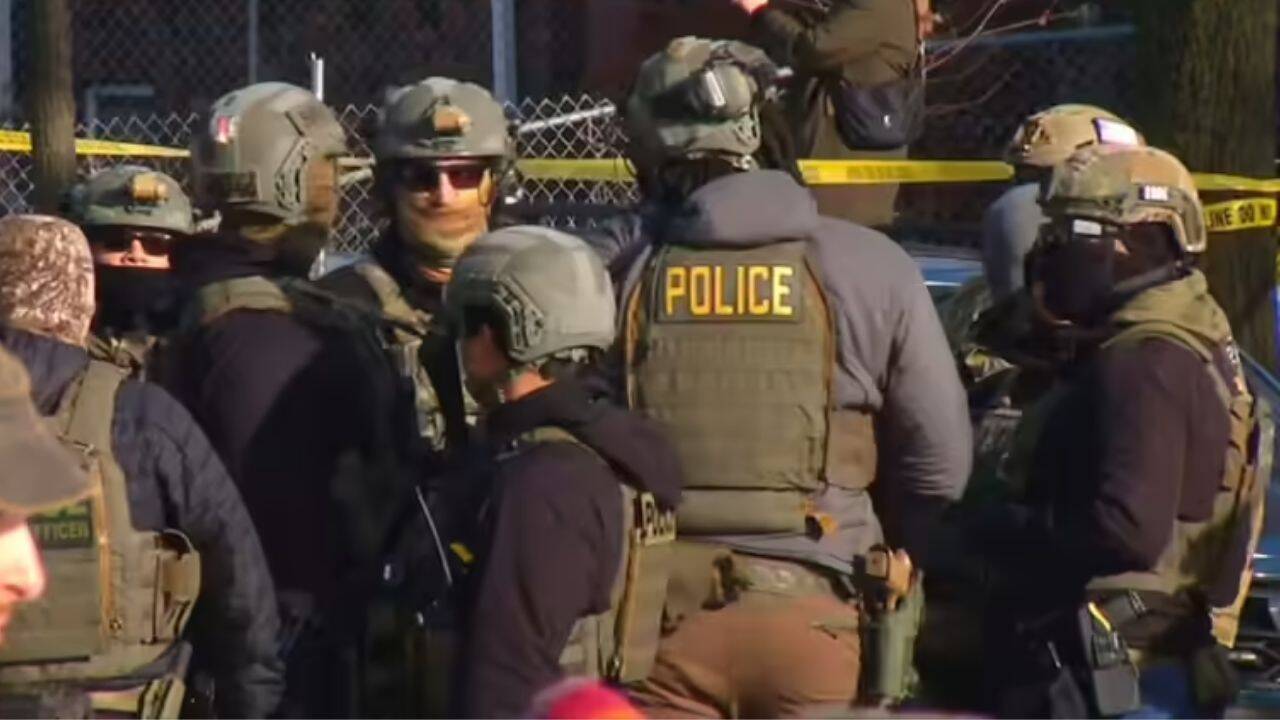
This video from Reuters provides live coverage and footage of former Philippine President Rodrigo Duterte's court appearance at the International Criminal Court in The Hague, highlighting the formal proceedings and security presence surrounding the high-profile war crimes case.