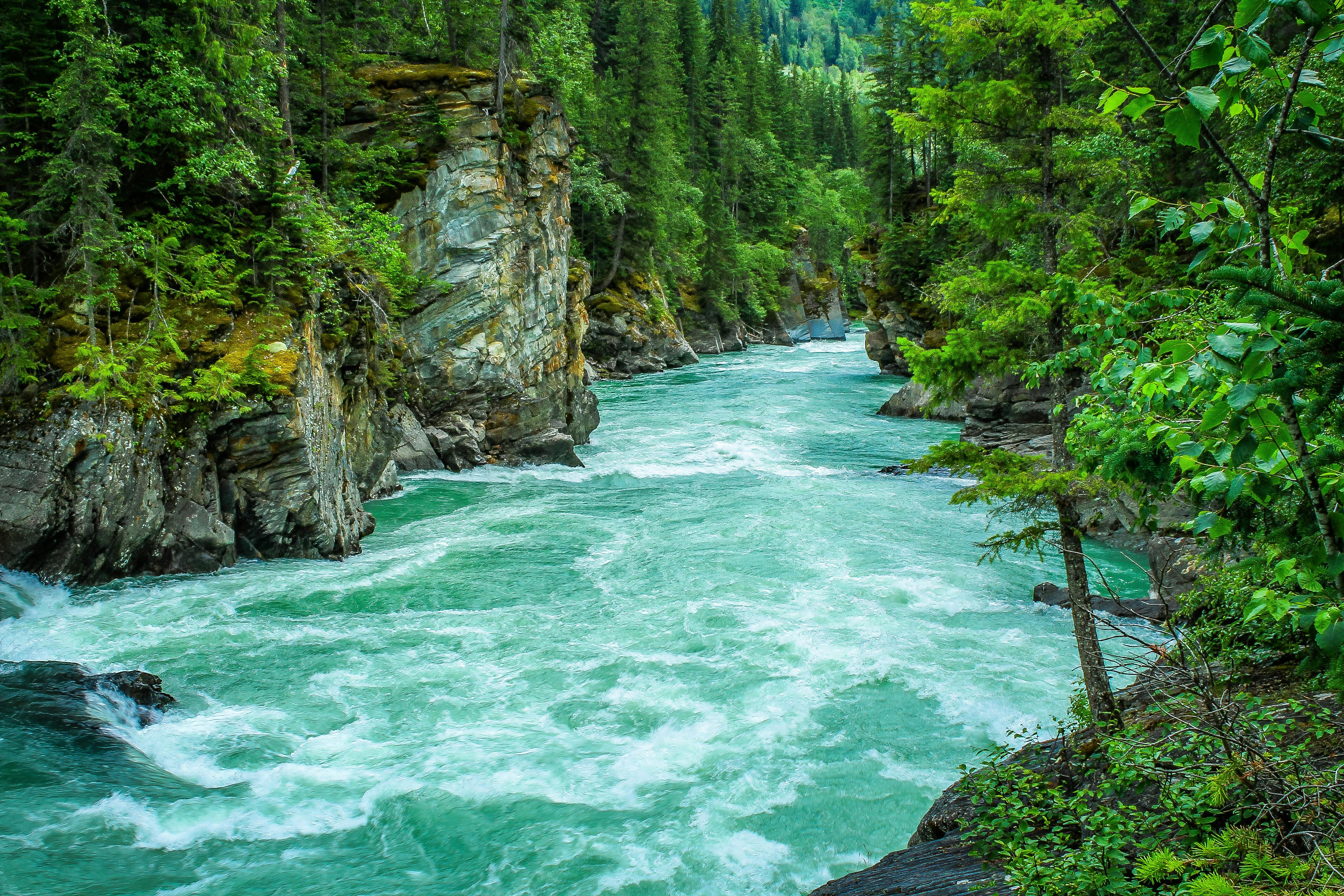
The monsoon does not knock. It arrives as a low, ventral growl against the corrugated tin of the roof, and then it is a wall.
By morning, the river is no longer a geographical feature. It is a tenant. It enters the doorframes, climbs the earthen walls, and tastes the grain stored in clay pots. It reshapes the valleys of Nepal with an indifferent fury, carving new channels where kitchens used to be. When the water finally recedes, it leaves behind a grey silt that coats everything in the color of ash.
And then there is the silence.
That is what lingers longest after the floodwaters drop. The silence of missing voices. Across the Himalayan foothills, more than five hundred children woke up to a world where the hands that held them, the shoulders that carried them across swollen creeks, and the voices that scolded them for playing too near the muddy banks were simply gone.
Water had taken them.
We talk about natural disasters in numbers. We tally houses crushed, bridges sheared like toothpicks, and hectares of topsoil washed down toward the plains of India. We speak of relief funds and emergency rations like accounts balanced in distant capital offices. But numbers have no weight. They do not shiver in the dark when the autumn wind rattles the bamboo mats.
Consider what happens next.
Imagine a boy named Ramesh, twelve years old, standing barefoot in the dried mud where his family’s stone-and-timber homestead once stood. (To be clear, Ramesh is a hypothetical composite, built from the documented testimonies of social workers operating in the Sindhupalchok and Helambu districts; his face belongs to a hundred different children standing in the same grey dust). Ramesh has a tin cup in his pocket and a bruise on his shin from where a floating beam struck him as he scrambled up the hillside.
His mother is downstream. His father is a statistic in a preliminary government report labeled unaccounted for.
Ramesh is not thinking about macroeconomic recovery plans. He is not calculating gross domestic product losses or debating the efficacy of bilateral aid packages. He is wondering who is going to tell him when it is time to sleep, and whether the grey cloud sitting over the ridge means another storm is coming.
This is the hidden crisis of climate displacement in South Asia. The acute trauma of the flood makes the evening news—dramatic footage of yellow rescue helicopters pulling people from rooftops, muddy torrents swirling around bus chassis. But the cameras leave when the sun comes back out. The helicopters fly away. The journalists catch their flights out of Kathmandu.
And the children remain.
An orphaned child in the aftermath of a Himalayan flash flood exists in a legal and social vacuum. Nepal’s child protection agencies, already strained under the weight of chronic underfunding and mountainous terrain, face an impossible geometry. How do you track hundreds of displaced minors scattered across remote, landslide-blocked valleys where roads are reduced to goat tracks?
You don't. Not easily, anyway.
Many of these children are absorbed temporarily by extended families—an uncle whose own roof leaks, a grandmother who was already struggling to feed three other grandchildren on a subsistence plot of maize. Resources do not multiply just because more mouths arrive. They stretch until they snap.
When the food runs out, the hidden dangers begin.
Traffickers know the monsoon seasons by heart. They do not watch the weather reports for the rain; they watch for the poverty that follows. They move through the mountain villages with soft voices and promises of schooling in the capital, or work in carpet factories down south, or a safe bed in a city where the rivers don't rise up in the middle of the night.
To a child whose world has been washed away by brown water, an empty promise sounds like salvation.
We must name this vulnerability for what it is. It is not merely an unfortunate byproduct of bad weather. It is a structural failure of protection. When a government fails to secure the legal status, shelter, and psychological welfare of disaster orphans immediately following a catastrophe, it leaves them exposed to predators who operate with the ruthless efficiency of seasonal tradesmen.
The psychological toll is equally invisible, and infinitely harder to map.
Post-traumatic stress in adults manifests as grief or anger. In children, it often looks like a quiet terror that refuses to make a sound. It is the boy who refuses to drink water unless it is crystal clear, because anything cloudy tastes like the river that swallowed his home. It is the girl who wakes up screaming every time the wind picks up speed against the windowpane.
Local NGOs, operating on shoestring budgets and fueled almost entirely by the stubborn optimism of local volunteers, try to fill the void. They set up temporary learning centers under blue plastic tarpaulins. They hand out slate pencils and exercise books with bright cartoon covers that feel absurdly mismatched with the mud surrounding them.
Yet, chalk and blackboards cannot stitch a torn family back together.
The state response has historically been reactive rather than preventative. Disaster management in mountainous regions is treated as an engineering problem—gabion walls, early warning sirens, evacuation drills. These are vital, certainly. A siren that saves a life is a victory worth celebrating. But saving a life from drowning is only the first act of a very long play.
What happens to the child after the rescue is where the system breaks down.
If we are serious about addressing the compounding crises of climate volatility in the global south, our definition of disaster response must expand. It cannot stop at dry clothes and a bowl of dal. It must include long-term guardianship frameworks, community-based mental health support that actually reaches the high-altitude villages, and economic safety nets for the surviving relatives who shoulder the burden of care.
Otherwise, we are simply rescuing children from the river only to watch them drown slowly in neglect.
Back in the valley, the sun is setting behind the jagged wall of the Langtang range. The shadow climbs up the mountain slope, turning the grey silt a deep, bruised purple.
Ramesh sits on a flat rock, turning his tin cup over and over in his palms. The night air in the mountains drops sharply, carrying the sharp scent of pine and damp earth. Somewhere down the slope, an owl calls out—a short, sharp whistle that sounds too much like falling water.
He tightens his grip on the metal. He does not cry. Children who have seen the river take their world learn very quickly that tears have no weight against the current. They wait for someone to notice them in the dark.
And the mountains stand around them, silent, ancient, and indifferent.