Water has a long memory. It catches the fallen leaves of autumn, it holds the rusted iron of sunken bridges, and sometimes, it carries the terrible wreckage of human cruelty. When a body is pulled from a river, the act itself is supposed to be one of quiet restoration. It is supposed to be the final, solemn chapter of a life cut short, handled with the trembling reverence that the dead are owed across every culture, every creed, and every corner of this earth.
Instead, there are moments when the darkness of the world reaches past the final breath.
Imagine the cold rush of the water. Imagine the silence of the riverbank before the noise arrives.
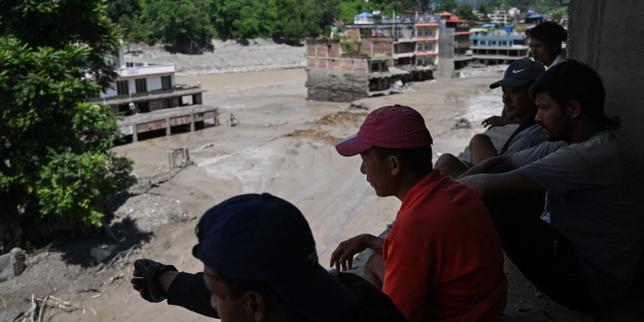
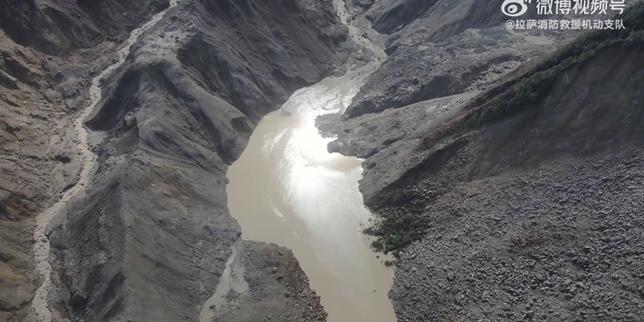
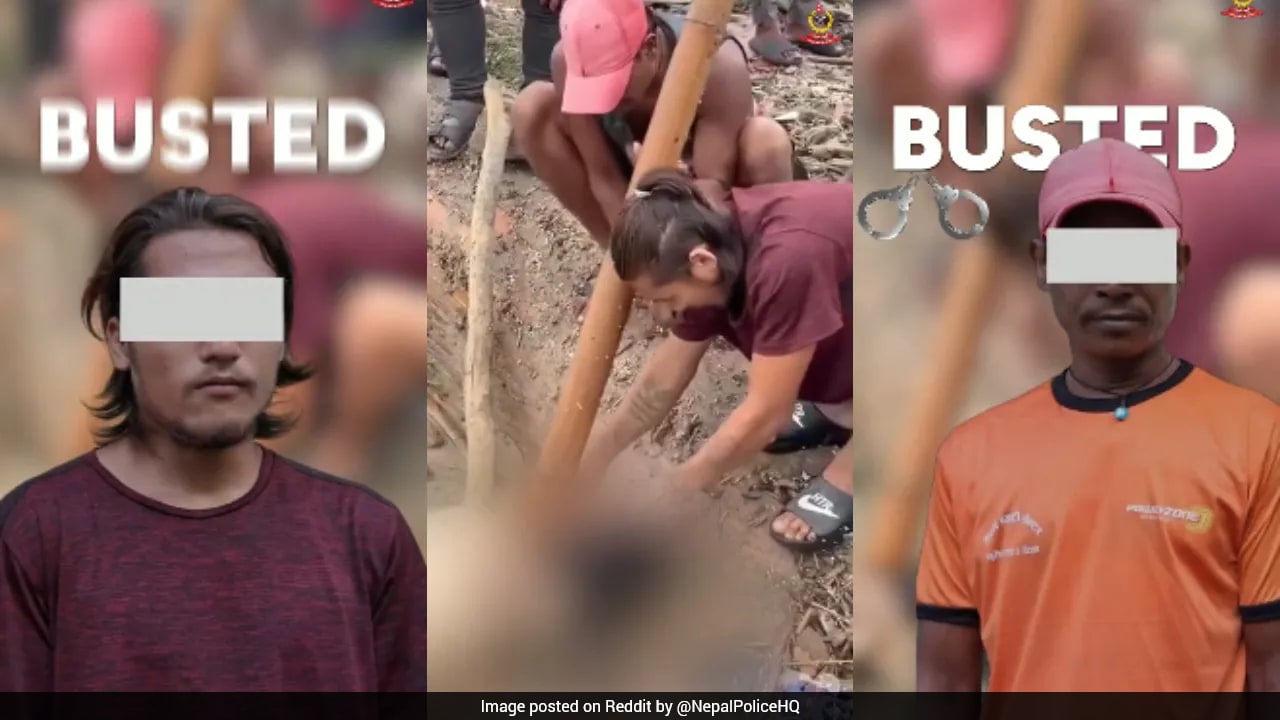
Reports emerged from Nepal detailing an incident of staggering depravity, a grim tableau where the basic social contract holding humanity together simply dissolved. A body, recovered from a river, was not treated with the grief-stricken dignity due to a departed soul. It was dragged by the hair. Earrings were stolen from the lifeless ears.
Stop. Read that again. Let the sheer weight of it sink into the quiet corners of your mind.
This is not a scene from a dystopian fiction novel. It is not an invention of a cynical screenwriter looking to shock an audience with the depravity of man. It is a recorded, verified event that cuts straight through the polite fictions we tell ourselves about civilization. We like to think that the worst of humanity ends at death. We comfort ourselves with the notion that the grave, or the pyre, or the current is a sanctuary where the predators of the living world can no longer reach.
They can.
Greed does not always wear a suit in a corporate boardroom. Sometimes, it wears calloused hands and wet sleeves on a riverbank, reaching out to desecrate what cannot fight back. The theft of simple ornaments from a corpse is a specialized kind of sickness. It requires a mind completely hollowed out of empathy, operating on an absolute baseline of survivalist predation where a dead human being is nothing more than an unattended shelf to be plundered.
How does a society reach this point? How do we slide from ordinary friction into the abyss of such absolute moral decay?
Behavioral patterns offer a chilling clue. Anthropologists and historians have long noted that social erosion rarely happens overnight. It begins in the small permissions we grant ourselves every single day. It starts when we look away from the suffering of our neighbors. It deepens when institutions fail to protect the vulnerable, leaving a vacuum where lawlessness blooms like mold in a damp basement. By the time a tragedy like the Nepal river incident occurs, the ground has already been tilled by decades of normalized indifference.
Consider what happens next in the aftermath of such horror.
Outrage flares. Social media feeds churn with rapid-fire condemnation. Thumbnails are clicked, headlines are skimmed, and opinions are weaponized for a twenty-four-hour news cycle before the collective attention span wanders off toward the next bright object. The digital mob roars, and then it sleeps.
Meanwhile, the river keeps flowing.
The family of the victim is left standing on that same bank, staring at water that has already washed away the footprints of the thieves. They are left to grapple with a double grief. There is the pain of the loss itself, sharp and jagged like broken glass, and then there is the sickening realization of how cheaply a human life was valued in its final, defiled moment.
We must be honest about our own discomfort here. It is easy to point a finger across oceans, to look at a distant country and shake our heads at the monsters who live over there. It is much harder to look inward. It is harder to ask ourselves what kind of culture we are building locally—a culture where empathy is often treated as a liability and where the dead are sometimes viewed as mere inconveniences.
The sacred has been traded for the trivial.
Every time we reduce a person to a transaction, every time we turn human suffering into entertainment or clickbait, we take a small, imperceptible step down that same dark path. The distance between ignoring a homeless person on a city sidewalk and stealing from a body in a river is not as vast as our comforting illusions would have us believe. It is a continuum of devaluation.
When the news cycle moves on, the true test of our humanity begins. It requires a stubborn, unyielding refusal to accept this level of cruelty as just another headline. It demands that we hold onto our capacity for outrage, not as a fleeting emotional spark, but as a forge for something better.
We owe the dead a reckoning. Not just through the cold mechanics of criminal justice, though that is essential, but through a radical reclamation of our shared humanity. We have to look at the worst things we are capable of doing and decide, with every fiber of our being, that we will not let the current take our conscience away with it.
The water keeps moving. The mud settles. But what remains on the shore is up to us.