Turquoise water looks completely harmless until it isn't.
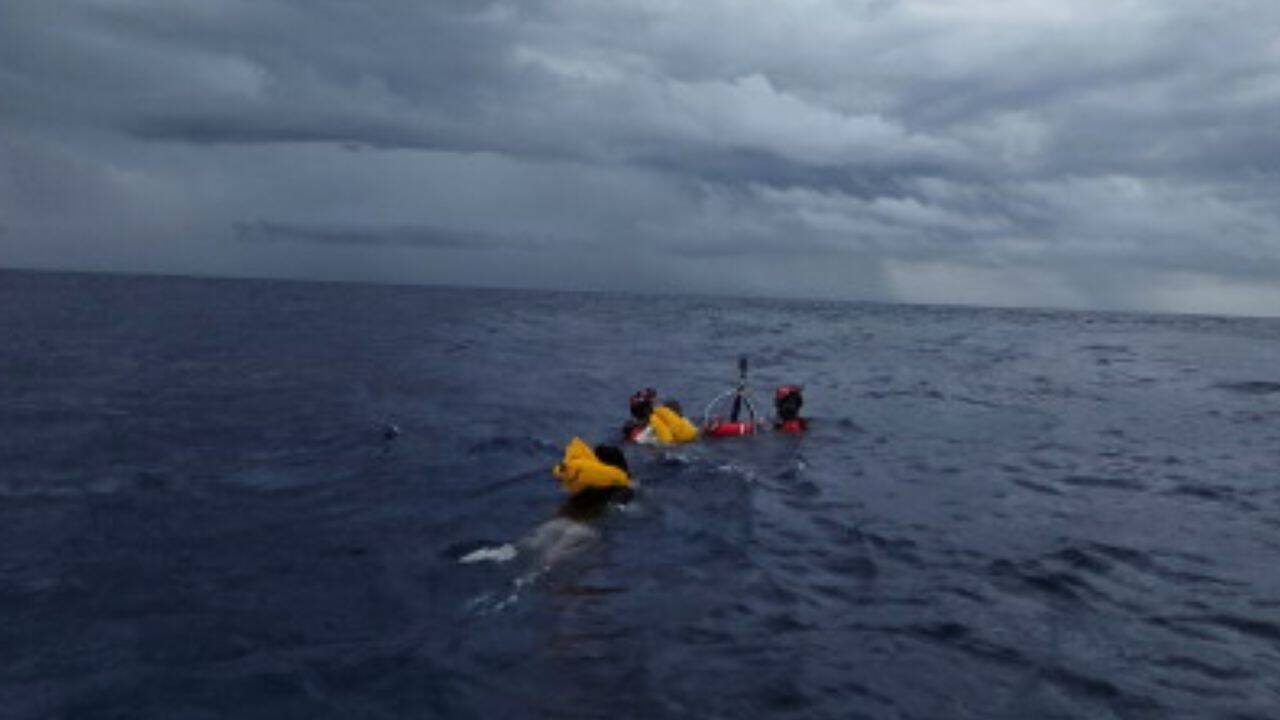
When news broke that a British mother died in the Bahamas while trying to rescue her sons from a powerful current during a snorkelling trip, the tragedy hit a nerve far beyond her family. It's the exact nightmare every parent carries to the beach. You book a dream holiday, step into warm, waist-deep tropical water, and within seconds the ocean turns into a conveyor belt dragging your kids away from shore.
Most people assume drowning looks like splashing and screaming. It doesn't. And most people assume a strong swimmer can outmuscle an ocean current. They can't.
If you're planning a beach trip anywhere—from the Caribbean to Cornwall—understanding what actually happens in a rip current and how water rescues go wrong isn't just interesting trivia. It's survival knowledge.
What Happens When a Rip Current Hits
A rip current isn't an undertow. It won't pull you under the surface like a monster from a movie. Instead, it's a narrow, fast-moving channel of water rushing away from the beach back out to sea, usually forming where waves break unevenly over sandbars or near reefs and piers.
In the Bahamas, where shallow coral reefs and sudden drop-offs sit right next to calm-looking lagoons, tidal shifts can create sudden, intense water movement. You might be floating comfortably over a reef one minute, mask on, watching fish, and look up thirty seconds later to find the shoreline has shrunk to a thin white line.
Panic sets in instantly.
When a snorkeller realizes they're moving backward, the natural instinct is to swim straight toward the beach as hard as possible. That's the fatal mistake. Even an Olympic swimmer can't beat a strong rip current head-on, which can move faster than two meters per second—faster than a human can sprint in water.
Snorkelling gear actually makes this worse. A standard snorkel tube restricts your airflow when your heart rate spikes. You start hyperventilating, suck water down the tube, rip the mask off your face, and suddenly you're blinded by salt water and exhausted before you've even covered ten yards.
The Deadly Instinct of Bystander Rescues
Here's the brutal truth about water emergencies. According to the Royal Life Saving Society UK and the International Life Saving Federation, a huge percentage of drowning deaths happen to people who weren't even in trouble initially. They died trying to save someone else.
It's called the Aquatic Victim Instead of Rescuer (AVIR) syndrome.
When a parent sees their child drifting out to sea, logic evaporates. Adrenaline floods the bloodstream. You don't stop to grab a paddleboard, a life ring, or a cooler that floats. You just swim.
Once you reach a panicked swimmer, physics takes over. A terrified person—even a child—has an iron grip. Their brain is in pure survival mode, meaning their only goal is to push whatever is beneath them down so they can push their own mouth up for air. Without flotation gear or formal lifeguard training, the rescuer gets pushed underwater, swallows water, and drowns while the person they came to save either survives or gets swept further out.
In the Bahamas tragedy, the sons survived, while their mother paid the ultimate price. That outcome is tragically common in coastal rescues around the world. Parents regularly expend every ounce of oxygen getting their kids into calmer water or holding them up until help arrives, leaving nothing left for themselves.
Why Holiday Beaches Catch Swimmers Off Guard
Tourists face a unique set of risks that locals rarely deal with.
First, there's the "holiday brain" effect. When you're on vacation, your guard drops. You assume that if a beach has a resort nearby, or if a tour boat drops anchor at a popular snorkelling spot, the water is automatically safe and monitored. In reality, many beaches across the Caribbean, Southeast Asia, and even parts of southern Europe have zero lifeguards on duty.
Second, tropical water creates a false sense of security. Cold water shocks your body immediately, reminding you that nature is dangerous. Warm water feels like a bath. You stay in longer, swim further out, and underestimate how tired your muscles are getting.
Third, snorkelling masks hide your peripheral vision. When you're looking straight down at coral, you don't notice the visual cues that signal a rip current—like choppy, churning water, a break in the incoming wave pattern, or a plume of sand moving outward. By the time you lift your head, you're already caught.
How to Actually Survive a Rip Current
If you ever feel the ground disappear beneath you and realize you're being pulled away from shore, stop fighting the water immediately.
- Keep your mask on and breathe. If you're snorkelling, roll onto your back. Floating takes almost zero energy. If your snorkel is flooding, spit it out and keep your face above the surface while floating on your back.
- Swim parallel to the beach. Rip currents are usually narrow—often no wider than a two-lane road. Instead of swimming toward the sand, swim sideways, parallel to the shoreline. Once you feel the pull stop, angle yourself back toward the beach at a diagonal.
- Signal for help early. Wave one arm high in the air and shout while you still have your breath. Don't wait until you're exhausted.
What to Do When Someone Else Is Swept Away
If you're standing on the beach or sitting on a boat and see your kid or partner getting pulled out, fight every urge to jump in empty-handed.
Look around for literally anything that floats. A bodyboard, an inflatable pool toy, a kayak, a life jacket, even an empty plastic cooler with the lid latched. Throw it to them or bring it with you if you must enter the water. Putting a piece of foam between a panicked swimmer and a rescuer saves lives.
Call local emergency services or alert boat captains immediately. If you can shout instructions from the shore, tell them to stop swimming against the current and float on their back or swim sideways.
Before your family steps onto any beach this year, spend two minutes pointing out the nearest flotation devices, checking if lifeguards are present, and making sure everyone—especially kids—knows to swim sideways instead of straight back to shore.